Fika Coffee Roasters Decaf
Fika Coffee Roasters are the Swedish inspired Durham based coffee roasters. Fika is the first coffee roasters to open in the city of Durham. Home to a great old Cathedral and one of the countries best Universities term time is buzzing with tourists and coffee-loving students.

About Fika Coffee Roasters Decaf
Fika is the first coffee roasters to open in the city of Durham. Home to a great old Cathedral and one of the countries best Universities term time is buzzing with tourists and coffee-loving students. Although these guys are fairly new to the coffee scene here in the UK the idea has been simmering for a few years. With a similar introduction to speciality coffee to me, owners Matt and Lynn discovered the wonders of Australian coffee culture in Melbourne 15 years ago. Australia is home to some of the finest coffee roasters in the world and although there are numerous roasters in the UK at the moment rivalling their quality, Australia has the edge when it comes to consistency and your average coffee drinkers expectation. Unlike the UK where Costa coffee rules the highstreet, Australia sees very few franchised cafes and predominantly supports small independent coffee brands. This creates an overall higher demand for quality coffee where just about everybody is a coffee connoisseur.
GOT A MATE THAT WOULD LOVE BATCH COFFEE CLUB?
Add their details below and if they sign up to a subscription your next box is on the house.*
*No limit to friends you can recommend. When your friend subscribes we will credit your account with one free box.
Coffee Origin
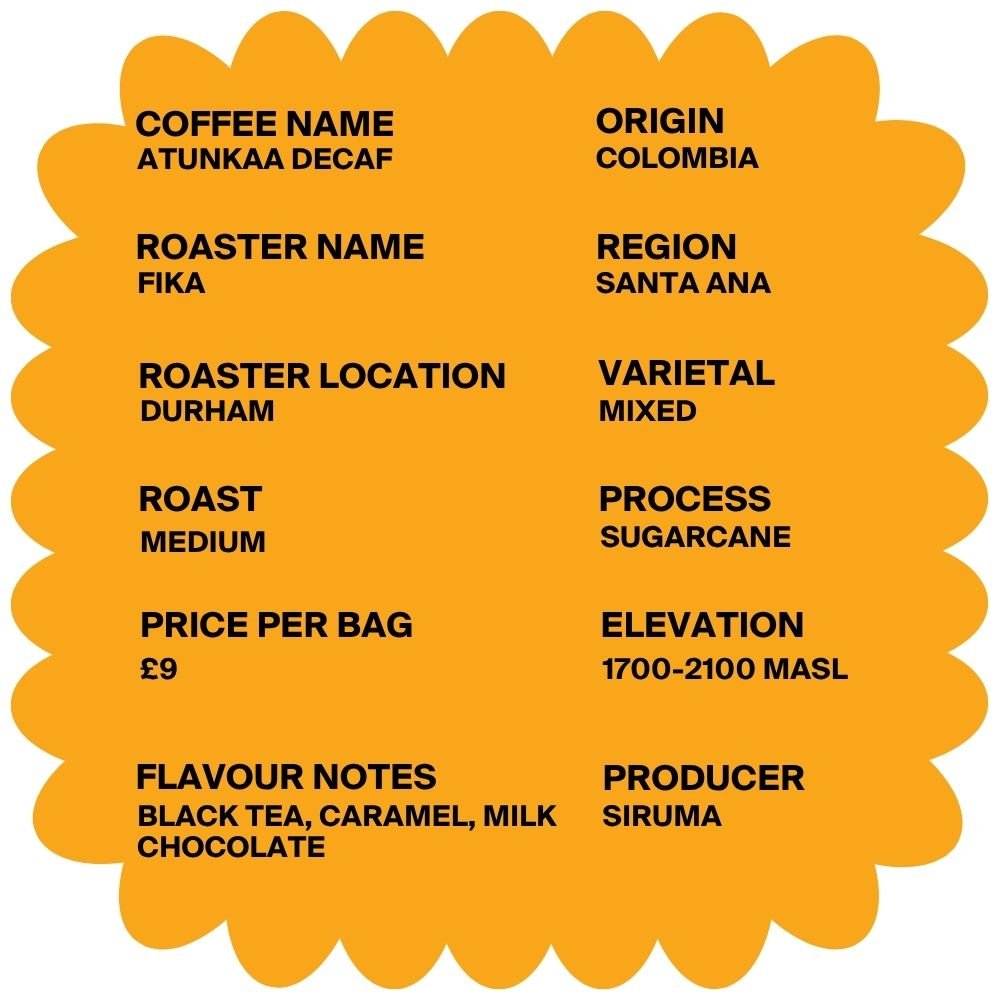
The Atunkaa decaf coffee from Fika Coffee Roasters originates from Colombia
This coffee is from Siruma, founded five years ago with the mission of partnering with underserved farming communities in Cauca, Caldas, and Tolima. The company’s name comes from the indigenous Wayuunaiki language and means ‘Heaven and Skies’.
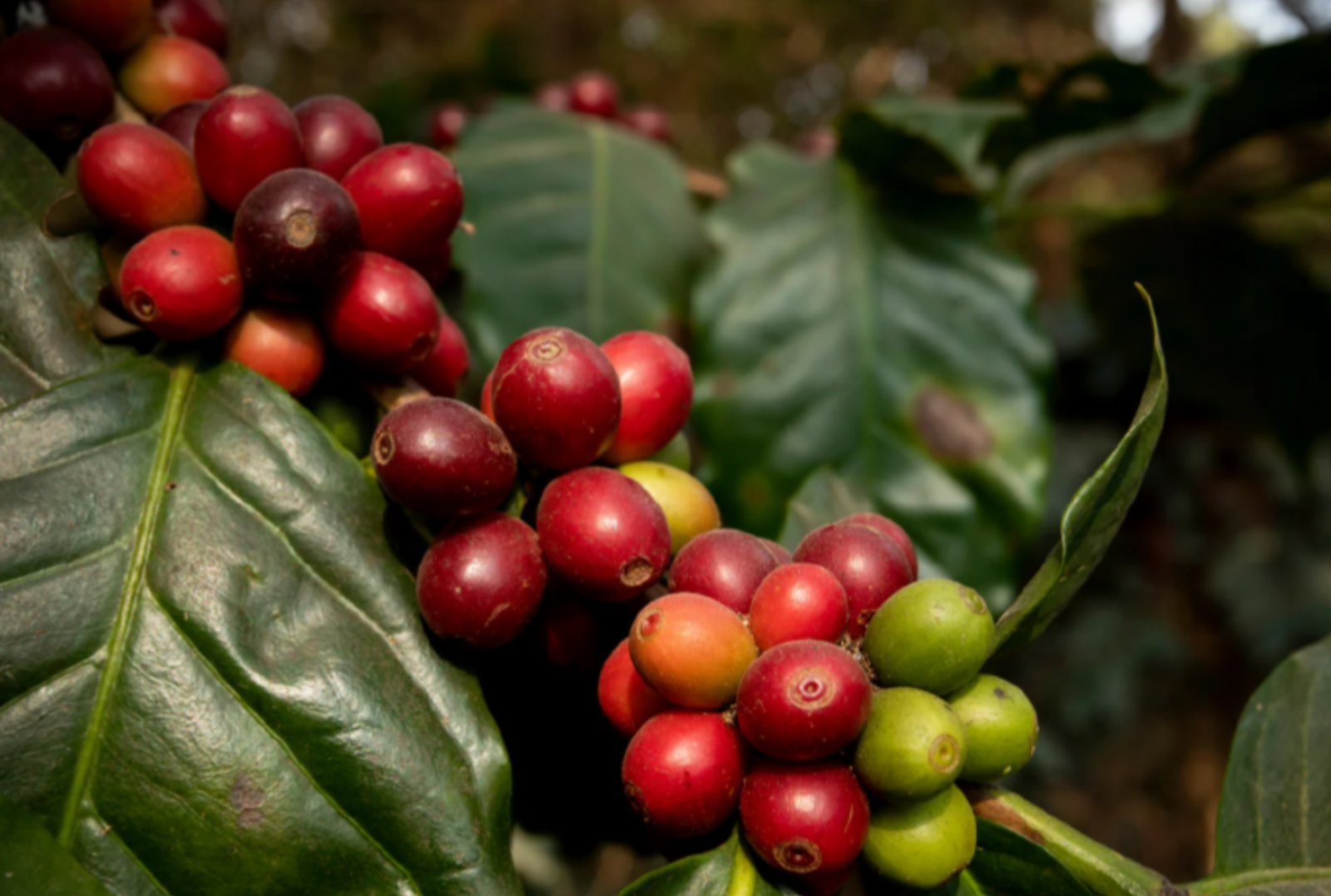
Atunkaa Decaf is sourced from the Central Cauca Association for Peace (ACC) in Piendamó, Cauca. ACC was created by a local farmer who wanted to add value to Castillo coffee and provide stable incomes to help neighbours. The process involves picking very ripe cherries to achieve a higher sugar content. It is then floated to separate the best cherries for processing. The cherries were moved to a mechanical silo for approximately 48 hours at 28°C to dehydrate the coffee until reaching a 20% moisture level. It then undergoes a 24-hour fermentation in sealed bags at ambient temperature. The cherries are then dried in the same mechanical silo at 37°C until reaching 15% moisture, after which it is dried again in a parabolic drying system to 10% moisture. The coffee is decaffeinated by Descafecol using a sustainable sugarcane-based process.
What To Expect
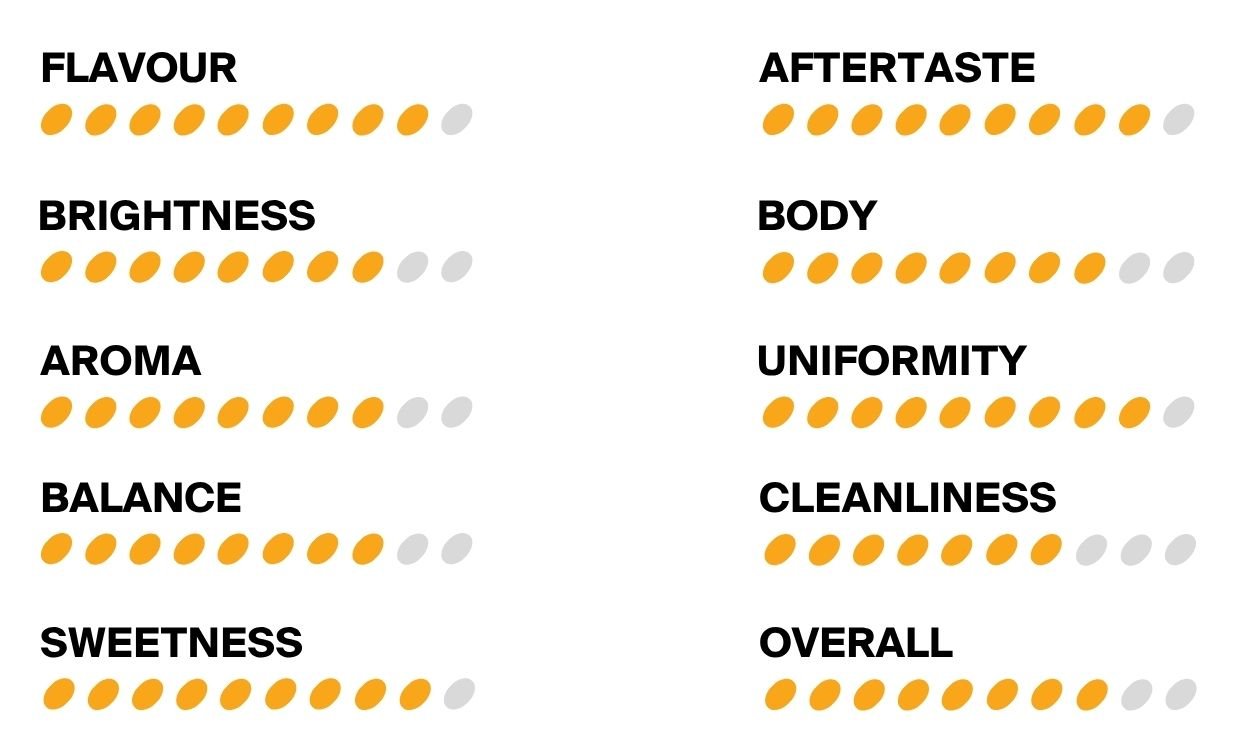
Here’s what to expect from this Colombian Decaf.