
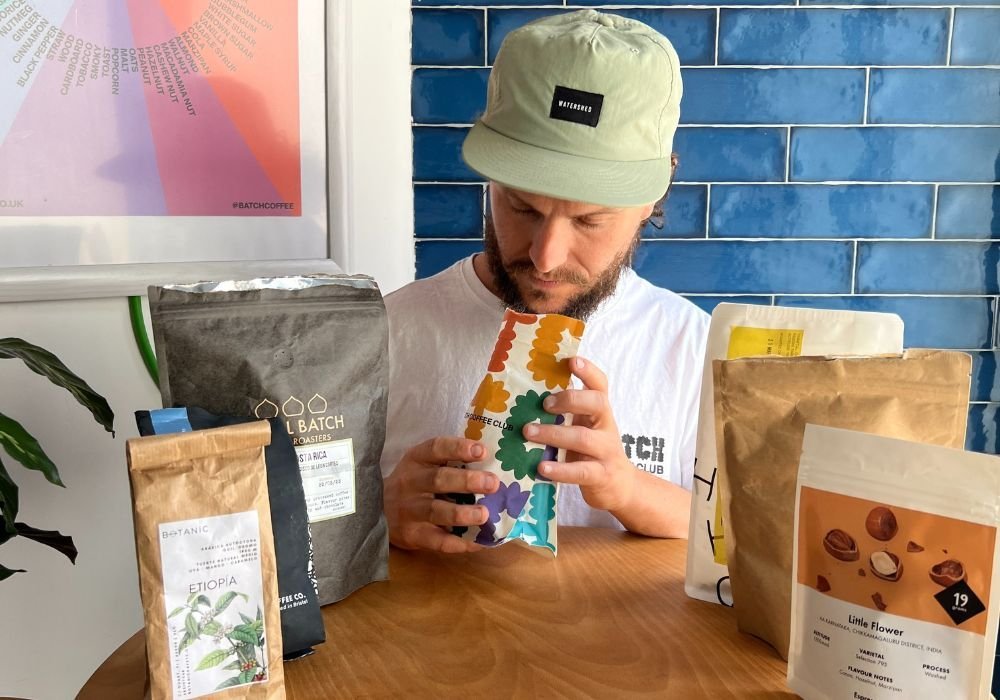
Right, I should flag something before we go any further.
I founded a coffee subscription. So there’s a fairly obvious argument that asking me whether coffee subscriptions are worth it is a bit like asking a pub landlord if you should have another pint.
But here’s the thing. After 13 years inside the specialty coffee world, working as a barista in Sydney (where they take flat whites extremely seriously), spending time on coffee farms in Colombia and Brazil, roasting in Manchester, and featuring over 200 UK roasters in Batch boxes, I reckon I can give you a more honest answer than most.
I also try my competitors’ subscriptions. Regularly. Because I want to know what they’re doing.
So here it is, as straight as I can manage: it depends entirely on who you are.
When a coffee subscription is absolutely worth it
You buy supermarket coffee out of habit. Not because you love it. Because it’s there, it’s easy, and you’ve never really stopped to think about it differently. A good coffee subscription breaks that habit for roughly the same money, sometimes less, and replaces it with something genuinely excellent. That’s a pretty easy decision.
You drink coffee at home but don’t have a great roaster nearby. Plenty of the UK is well served by brilliant independent roasters. Plenty isn’t. If getting freshly roasted specialty coffee means a trip you keep not making, a subscription that just arrives sorts that completely.
You love coffee but you’ve got no interest in doing the research. The UK now has hundreds of specialty roasters, which is brilliant and also completely overwhelming. A good discovery subscription does the curation for you. You get quality coffee from roasters you’d never have found, without spending an afternoon going down rabbit holes online.
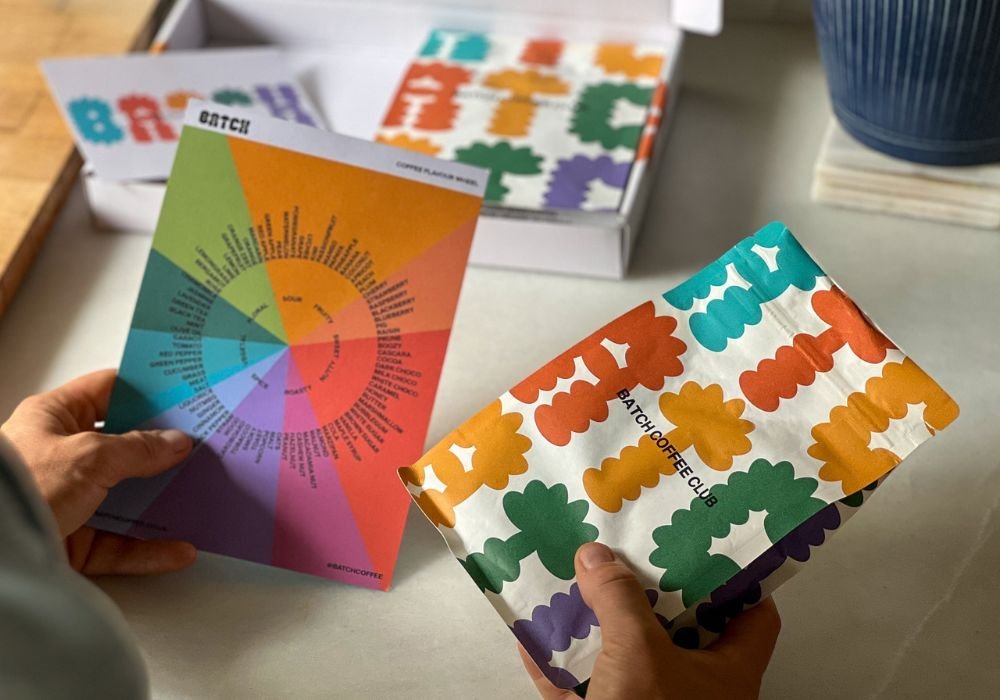
You want to actually learn about coffee. Getting two different bags side by side from two different roasters, with tasting notes, is one of the best ways to properly develop your palate. It’s the kind of thing that makes you understand what “washed Ethiopian” or “natural Brazilian” actually means in the cup rather than just on a bag. I’ve seen people go from Nescafé to genuinely passionate coffee drinkers in about three boxes. It happens faster than you’d think.
When a coffee subscription probably isn’t worth it
You live round the corner from a great roaster you love. Just go there. Buy fresh, buy often, support them directly. A subscription would be solving a problem you don’t have, and keeping money in your local independent scene is a good thing.
You’re already very specific about what you want. If you’ve dialled in one particular espresso blend for your machine and you know exactly what you like, a discovery box might frustrate more than it delights. Some subscriptions let you repeat the same coffee each delivery, which is great, but if you’re already a devoted customer of one roaster, stick with them.
You mostly drink instant and that suits you fine. No judgment. But a specialty subscription is going to introduce a level of flavour and variety that might not be what you’re after. If you’re happy, stay happy.
The freshness thing (and why it matters more than people realise)
Here’s something a lot of people don’t factor in when they’re working out whether a subscription is good value: freshness.
Coffee is genuinely at its best between about 5 and 21 days after roasting. Grab a bag from a supermarket shelf and check the roast date. It was probably roasted months ago. Even good cafes and delis can have beans sitting around for weeks longer than ideal.
A subscription that dispatches freshly roasted coffee from the roaster solves this completely. The quality jump isn’t subtle either. Once you taste coffee that’s genuinely fresh, going back to something stale feels a bit bleak.
This is one of the main arguments for a subscription over just buying when you remember to. Fresh delivery beats a bag that’s been sitting in your cupboard for three weeks every time.
What does a coffee subscription actually cost?
Prices vary across the market, but a good specialty subscription typically works out at around £8 to £11 per 200g bag. That sounds like more than a supermarket bag, but the comparison isn’t really supermarket versus subscription. The honest comparison is: what are you actually spending on coffee right now, and what are you getting for it?
If you’re buying coffee at a cafe every morning, even a well priced subscription works out considerably cheaper per cup. If you’re buying a £4 bag from a supermarket once a month and not enjoying it much, spending a bit more on something that arrives fresh and properly sourced is likely to be worth it.
The value calculation most people make is wrong because they compare a specialty subscription to the cheapest option, not to what they’d realistically choose instead.
My honest recommendation
If you’re genuinely on the fence, don’t commit to a full recurring subscription yet. Try a taster box first. A lot of subscriptions, Batch included, offer a one off taster so you can see what the quality is like before you sign up for anything ongoing.
If the coffee is noticeably better than what you’re drinking now and turns up fresh and well packaged, there’s your answer.
If you do want to try Batch
I’ll be upfront again: I’d love you to try Batch. Every box contains two 200g bags from two different UK roasters, freshly cupped and selected by my team, in fully compostable packaging that fits through your letterbox. We’ve featured over 200 UK roasters since 2020. You can cancel any time, no hoops.
If you want to see how we compare to every other subscription on the market, including the ones I rate even though they compete directly with me, take a look at my full UK coffee subscription guide.
Not sure which option is right for you? Take the Batch coffee quiz and we’ll point you in the right direction.
Or just jump in. Use code COFFEEQUIZ25 for 25% off your first box at batchcoffee.co.uk.
Cancel any time. No faff.

