How to Use a Moka Pot
I love using my Moka Pot. Especially for an afternoon pick-me-up.
Much like how Britons cherish David Attenborough, the Moka Pot (or stovetop espresso maker, depending on your background) is a beloved icon in the coffee world.
While the Moka Pot brewing method is particularly well-suited for darker roasts, when done correctly, it brings out deliciously rich and oily notes that enhance the depth and body typical of stovetop coffee.
So, here is my Moka Pot recipe.
I have outlined a few adjustments that need to be made depending on the size of your mokapot.
Plus, like with any recipe or how-to guide I would always encourage you to tinker and tweak the recipe according to your particular taste and preference.
How To Make Mokapot Overview
1. Grind The Coffee
2. Add Water To The Chamber
3. Add The Coffee
4. Turn On The Heat
5. Open The Lid
6. Enjoy The Show
7. Stop When You Hear Spluttering
8. Enjoy Your Preferred Style
SKIP TO
Moka Pot Recipe
If you’re anything like me and enjoy trying different coffees and exploring the world of specialty coffee why not give our Coffee Club a go. All the coffees are perfect for Moka Pots and you’ll try a 2 new coffees in each box. Here’s a link to our coffee subscription.
Equipment
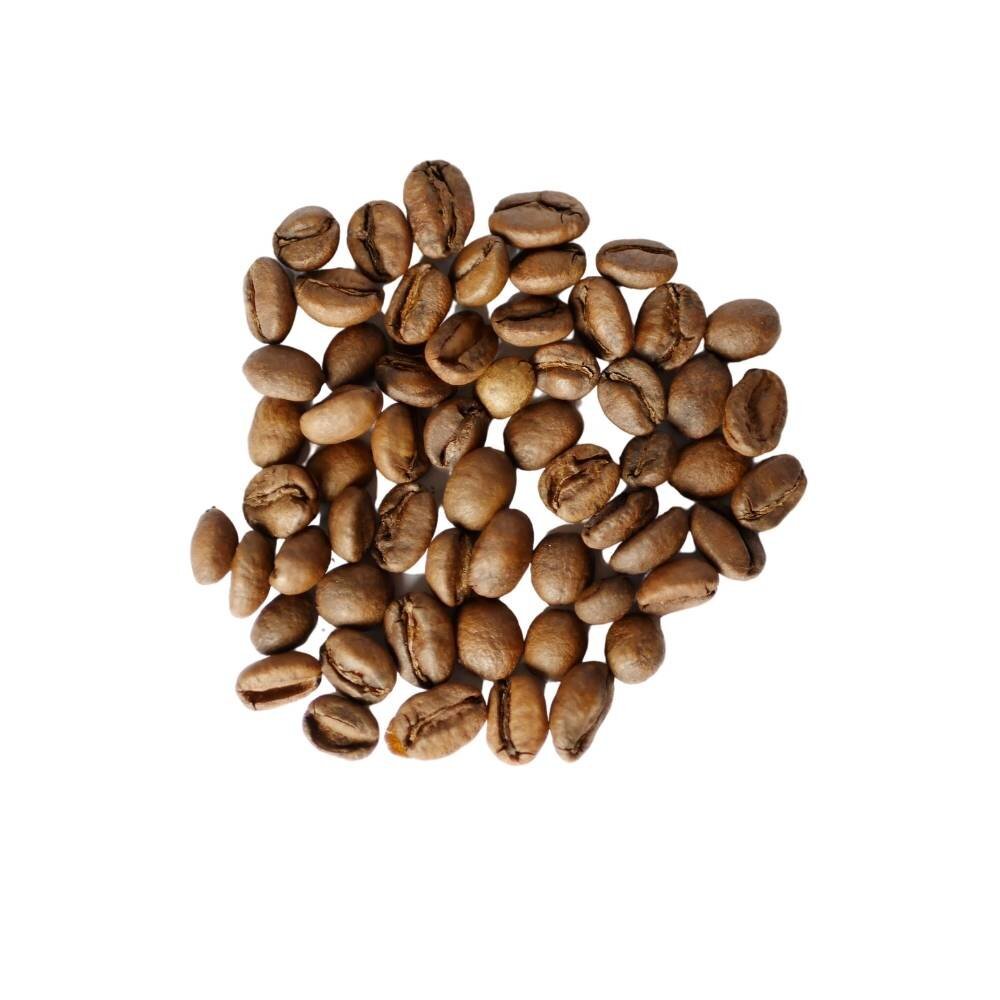
22g-60g Batch Coffee
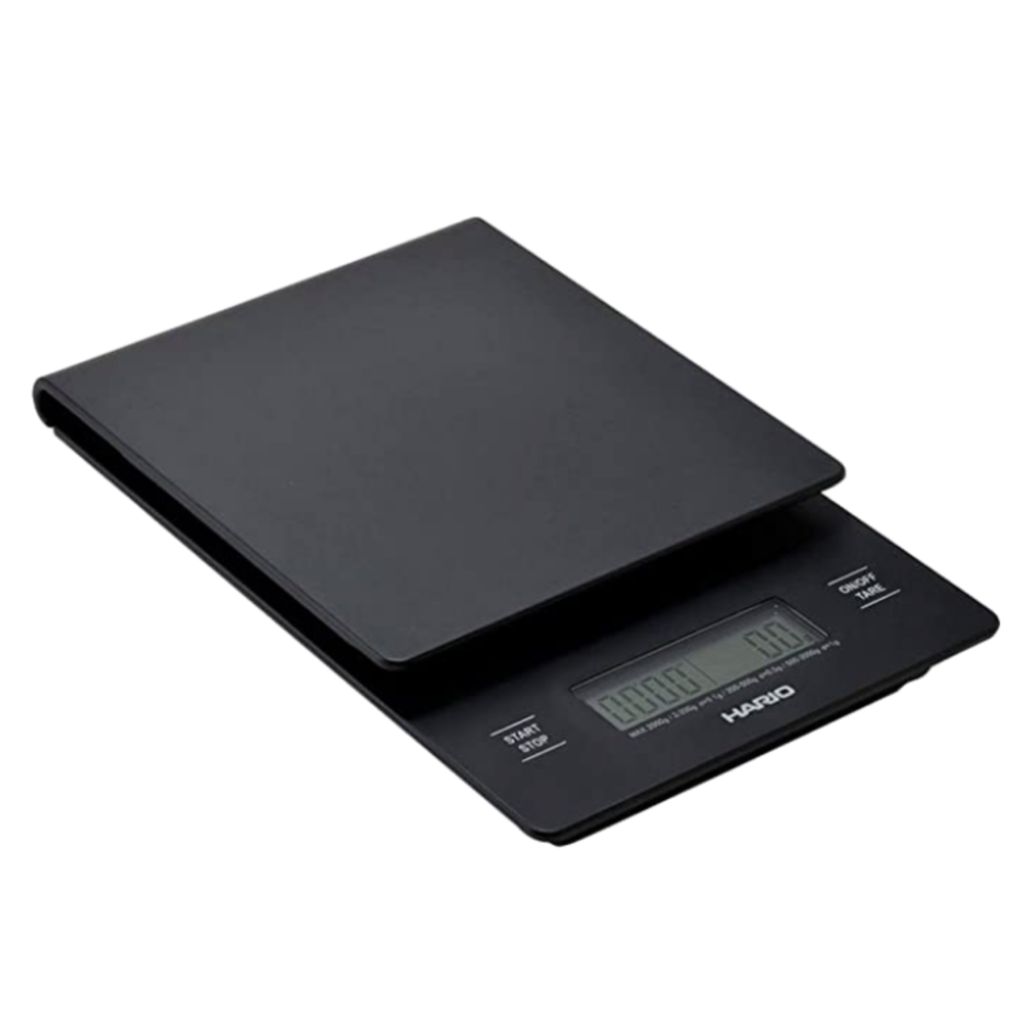
Coffee scales
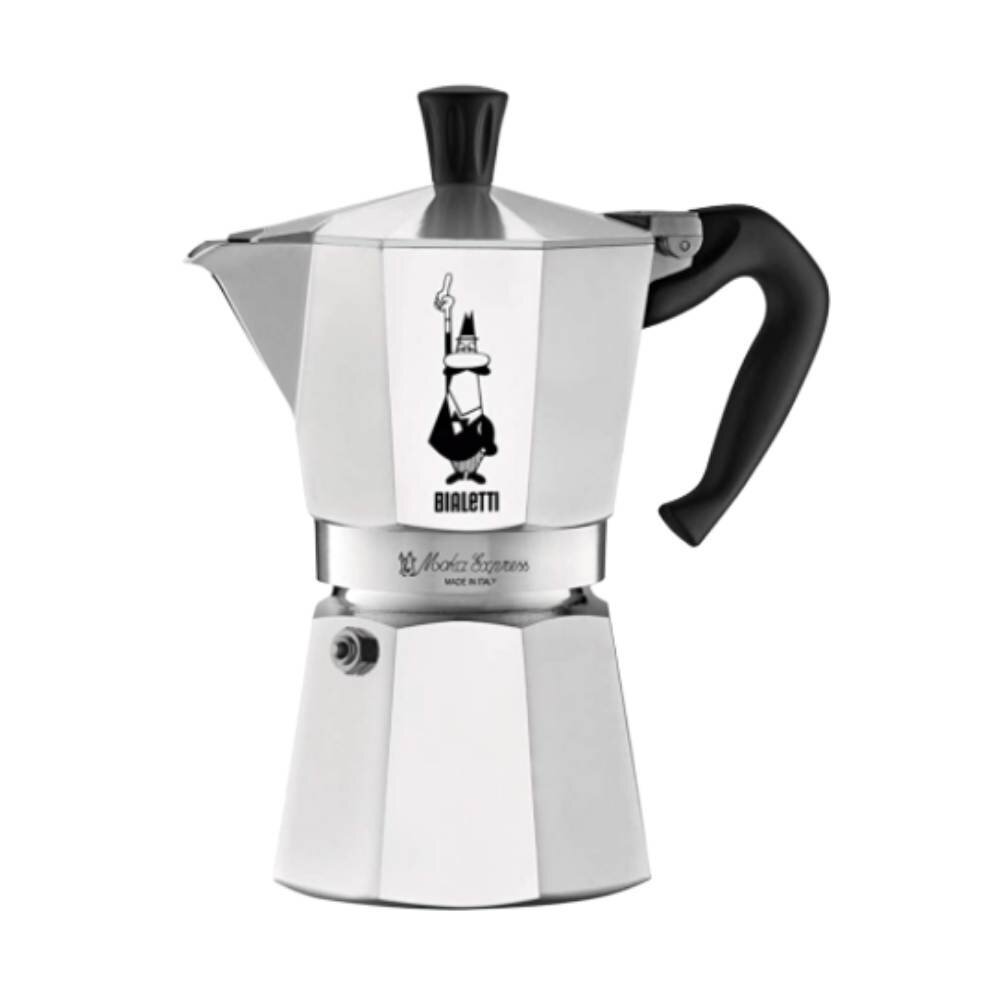
Stovetop Coffee UK
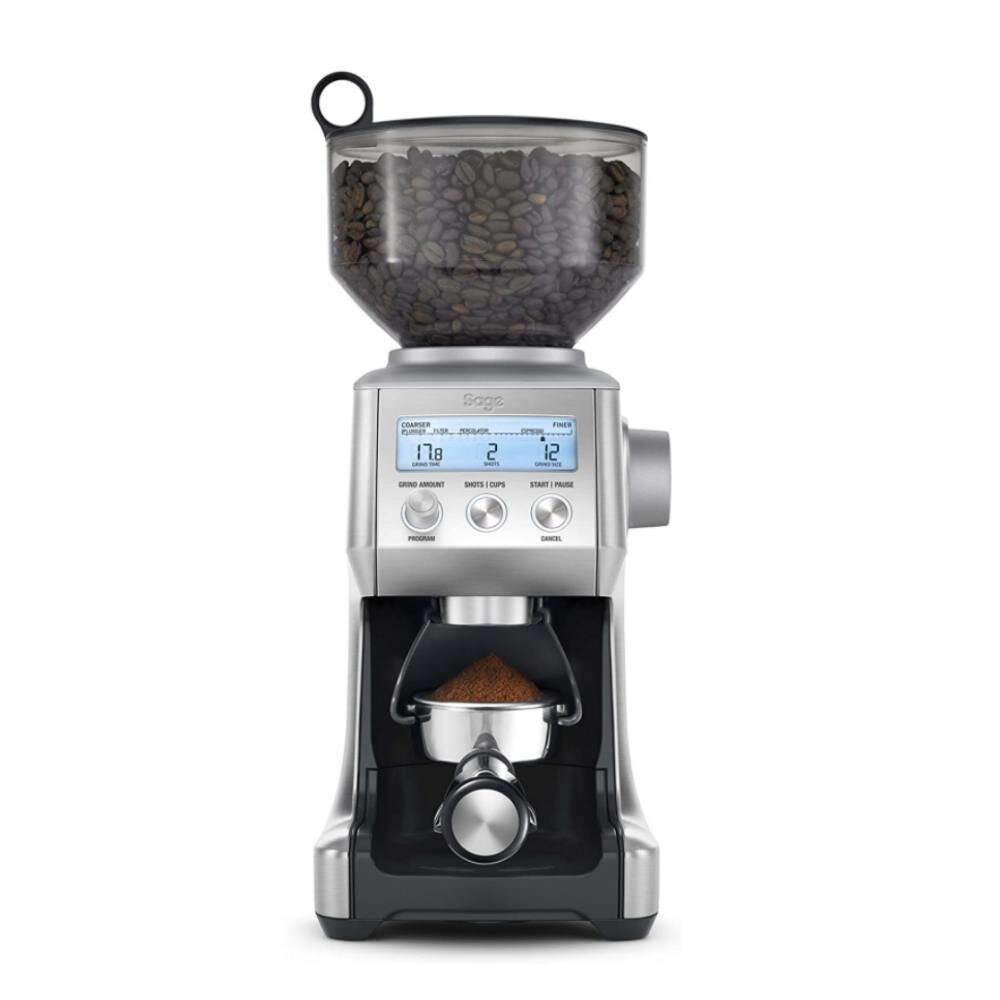
Coffee Grinder
Method
1. Grind The Coffee
We use a 1:9 – coffee:water ratio. This is slightly less coffee than a traditional stovetop recipe which calls for 1:6 and more than some speciality recipes. The aim is to still achieve the rich syrupy coffee that a traditional stovetop coffee creates while highlighting certain complexities in speciality coffee.
For a 9 cup mokapot Grind 60g, for a 6 cup stovetop 35g and for a 3 cup 22g.
If you’re not sure which coffee to use in a moka pot, start with something medium roasted and chocolatey; we’ve picked seven favourites.
Grind your favourite coffee to a medium-fine setting. Somewhere between espresso and pour-over.
Don’t worry if you’re struggling to gauge this. When you have made your first coffee, go back and make the grind either slightly finer or slightly coarser and see which you prefer.
2. Add Water To The Chamber
Fill the lower chamber with regular tap water up to just below the steam release valve. For reference, a 9-cup stovetop requires approximately 550g of water, a 6-cup needs about 300g, and a 3-cup takes around 200g.
Some methods suggest using boiling water directly in the chamber to prevent premature extraction caused by heating the metal. While this approach works, attempting to screw a scalding hot chamber onto the stovetop can be quite risky.
With minimal difference in the overall cup, we prefer to go with cold water.
3. Add The Coffee
Add the coffee to your basket, ensuring it fits in a way that allows you to level it with your hands.
Avoid pressing down on the coffee, as this can make it difficult for the steam to pass through and will lead to an over-extracted brew.
4. Turn On The Heat
Put the stovetop back together and make sure the bottom chamber is screwed on tightly to the top. If there is a gap then steam will hiss out and loose some of its pressure.
Stand the Stovetop on a hob and turn up to around a medium heat.
5. Open The Lid
Open the lid of the top chamber and wait.
6. Enjoy The Show
After 2-4 minutes (depending on the strength of your cooker and the size of your Stovetop) you will see coffee starting to flow from the pipe.
Enjoy the tones of the cascading oils changing from light to dark brown and the delicious chocolatey aromas.
7. Stop When You Hear Spluttering
When the coffee stops flowing and starts to choke and splutter close the lid and pour the coffee into a serving jug or straight into your coffee cup.
8. Enjoy Your Preferred Style
Add water if you’re in the mood for more of a long black style coffee or enjoy short if you’re after a Napoli-esque espresso.
Moka Pot Brewing Tips
My guide provides a basic understanding of how a Moka Pot works and how best to use one.
However, since brands and models can differ, you may need to adjust the method accordingly.
Tip 1
Is not to boil the coffee that has already been extracted. When the Moka Pot starts making a spluttering noise, it’s crucial to remove it from the heat to prevent the coffee from boiling, which can lead to a bitter, over-extracted brew.
Tip 2
Don’t pack the coffee into the basket too tight. This is one of the most common ways on which people over extract their Moka Pot coffee.
The grinds are packed in too tight so the water struggles to force its way through the puck and properly extract the delicious soluble compounds that make a well balanced Stove top espresso.
Tip 3
If the brew was too quick try a finer grind or a higher dose. Take a look at Fluent in Coffee’s method on how to use a Moka pot along side buying tips for this brew method.
If your coffee extracted slow and tastes bitter try making the grind coarser or dose less.
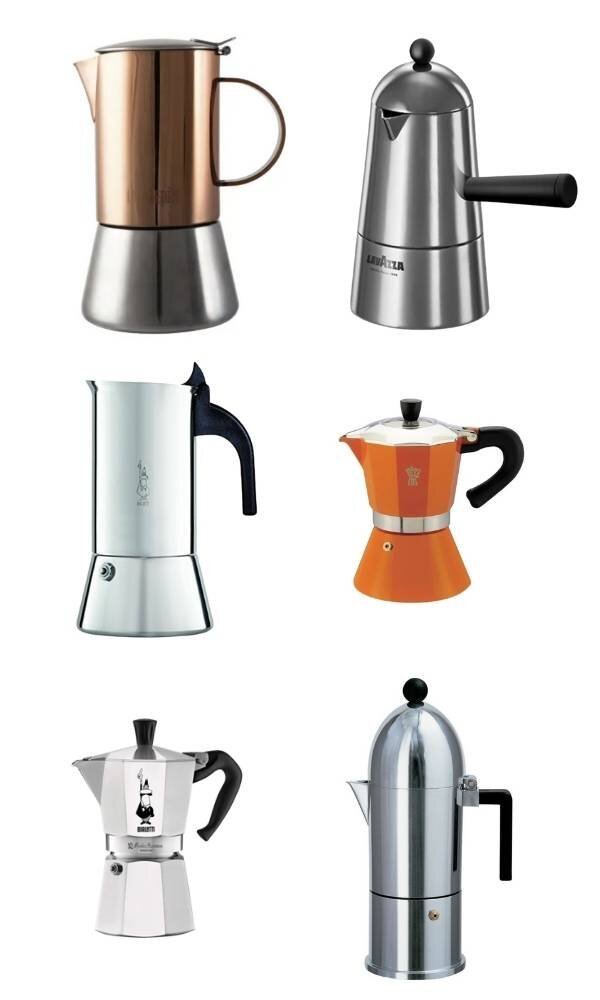
If you follow these steps you should get a decent stove top espresso, however, there is always room for improvement.
What is a Mokapot/Stovetop?
Invented in Italy in 1933 by Alfonso Bialetti the name Moka pot was derived from the Yemanese city of Mocha, famed for been a major market in the coffee industry since the 16th century.
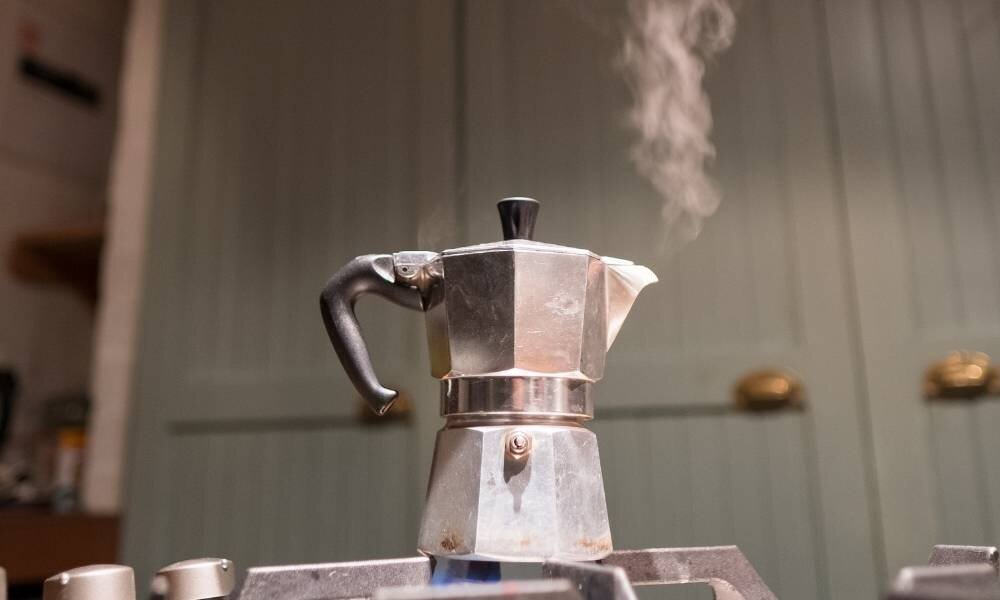
The coffee is brewed in a very similar way to that of an ‘old school’ espresso machine. Steam is used to push water through coffee grounds.
The water boils in the bottom chamber of the Stovetop coffee maker, which then eventually builds up enough steam to push itself up through the pipe and into the basket which is packed with coffee.
The liquid now travels up the second pipe and falls into the upper chamber having gained some delicious dissolved coffee on the way.
Stovetop coffee is always classed as ‘strong coffee’ and is normally big on body compared to a pour-over or even a cafeteire.
It is often called espresso coffee, which for a domestic coffee machine I think is fair play. The end result is a short coffee that is rich and full of dark flavours.
It is hard to achieve a concentrated espresso with a thick crema, that you would associate with modern-day pump-driven espresso machines however because the steam build-up doesn’t produce enough pressure to pass the water through super fine ground coffee.
What’s the Right Grind Size for a Stovetop?
Medium-Fine.
The age-old question that is so hard to answer without a comparative grind but as with speciality coffee in general variables are always changing and grind sizes should always be tweaked.
A good starting grind though should be somewhere between an espresso grind and a filter grind or medium-fine.
Some people do however like their stovetop coffee ground fine and this is ok but I do find that when it is too fine the flavour profile does become slightly bitter and over-extracted.
Because the water temperature is so high when making a stovetop I find it helps the flavour profile to mute some of the bitter flavours by brewing with a coarser grind.
The coffee still has its body but showcases a little more acidity and sweetness for a more balanced brew.
In the market for a grinder? Find out which is the best hand coffee grinder for moka pot.
How To Drink Moka Pot Coffee?
Moka Pot coffee is essentially somewhere in between an espresso and a filter coffee when it comes to volume and strength. That said you can enjoy a Mokapot in several forms.
Add more hot water to have a longer black coffee or enjoy it as it comes which is a rich full bodied shorter coffee.
You can add hot or cold milk to then make various forms of milk based coffee.
What temperature water do you use for a stovetop?
There are plenty of methods that you will find on the internet about how you should make a stovetop coffee.
Although like with an Aeropress of a pour-over coffee there are significant changes to the method that affects the outcome. There are only a couple of different variables with a stovetop.
First is the grind which we covered above and the second is water temperature.
One of the most common methods which you will see is preheating your water in a kettle (Check out the Best Gooseneck Kettles Here) first and then pouring the boiling water into the bottom chamber.
This is to shorten the time that the coffee grounds have in contact with the gradually heating basket. The theory is fair however the method is slightly off as trying to screw the stovetop together with a red hot bottom chamber is challenging/painful.
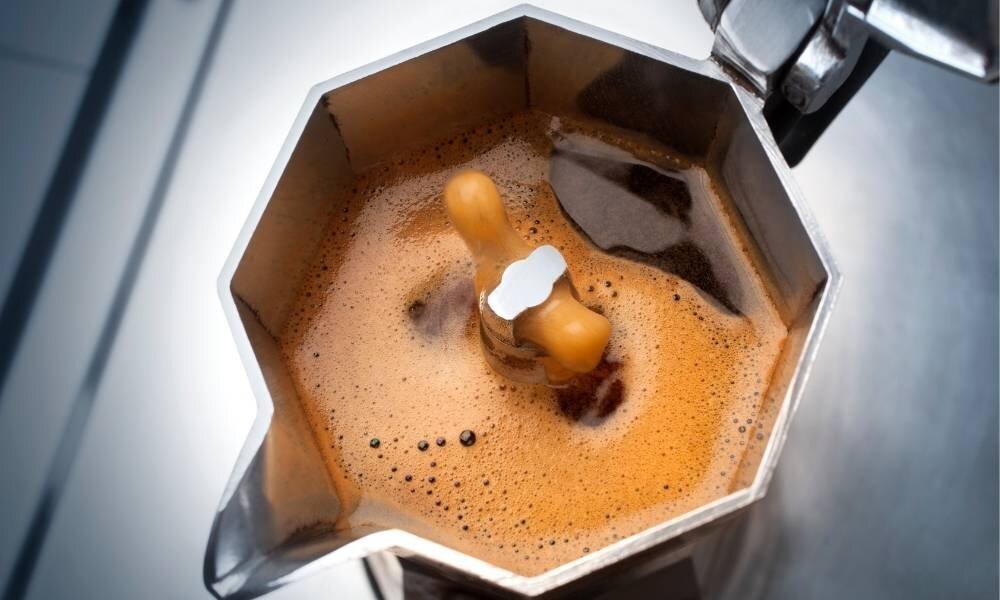
I would say that the risk of been burnt outweighs the slight gain in flavour – so pour your water in cold (or lukewarm if that would make you feel better).
Once the coffee is fully brewed I would advise as you would for a cafetiere to pour all of the coffee out into stoneware mugs or another jug.
Although the coffee isn’t in contact with the extracted coffee, the hot metal does have an effect on the overall taste profile of the brewed coffee.
What is the Best Size Moka Pot to Buy?
Much like its less-intense cousin the cafetiere, stovetops are measure by cup size.
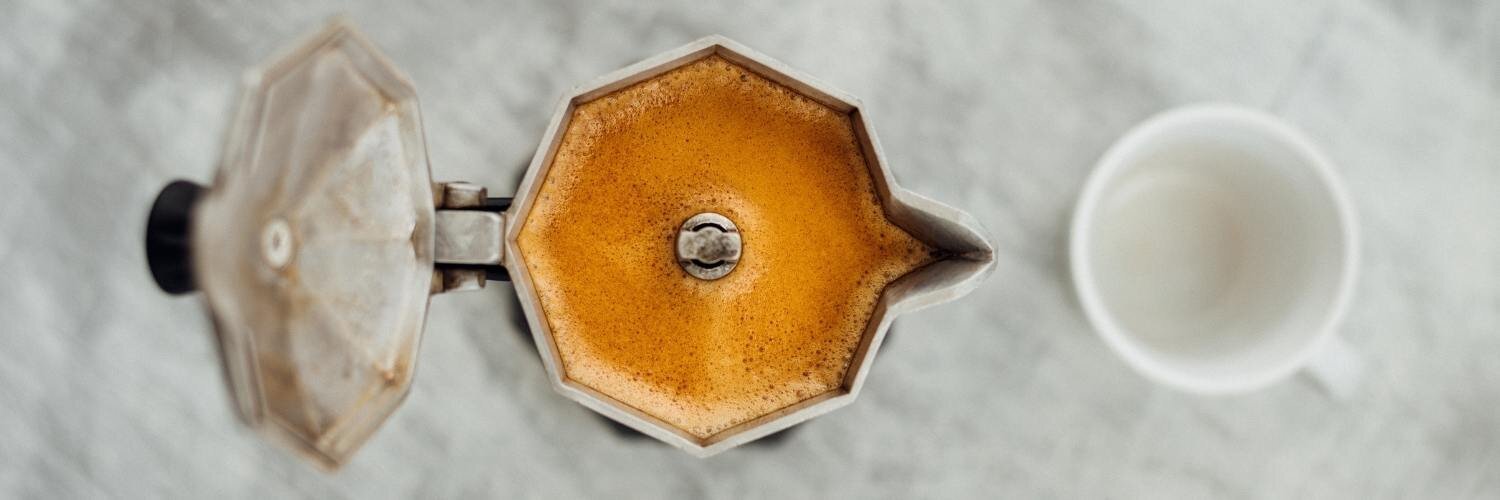
This is somewhat deceiving when buying online as you can really get a perspective on how large they are and a 9 cup stovetop sounds massive.
However, bear in mind that cup sizes are much smaller than today’s standards and a 3 cup Moka pot won’t fill three of your 8oz breakfast mugs.
Here are the rough yields of each Moka pot;
- 3 Cup Moka Pot = 180 grams brewed coffee
- 6 Cup Moka Pot = 270 grams brewed coffee
- 9 Cup Moka Pot = 500 grams brewed coffee
In comparison to your average latte served in an 8oz takeaway which weighs around 200g, you will only yield around a third of that per cup.
Stovetops are obviously a ‘stronger’ tasting brew with a high TDS (total dissolved solids) so you may want to dilute the end cup any way or mix with a splash of milk.
However, it’s always good to have an idea of the actual size.
Can I brew less coffee than the full capacity of my Moka Pot?
This is one of the most common questions Moka Pot owners ask, and the short answer is: it’s not ideal, but it’s possible with some adjustments.
Moka Pots are designed to work best when filled properly – both the water reservoir and the coffee basket. The brewing process relies on building up the right amount of pressure in the bottom chamber, and when you use significantly less water, you end up with less pressure. This means the extraction temperature will be lower and the coffee won’t extract properly, often resulting in weak, under-extracted coffee that tastes sour or bland.
The general rule is that you should fill the water to just below the safety valve and the coffee basket to the top. Using less of either easily results in poor extraction and an unbalanced brew.
That said, if you regularly find yourself wanting smaller amounts of coffee, the best solution is simply to invest in a smaller Moka Pot for everyday use and keep your larger one for when you’ve got company round. A 3-cup Moka Pot brews quickly and is perfect for a morning coffee for one, whilst a 6 or 9-cup is brilliant for entertaining.
If you really must brew a smaller amount in a larger pot, some people have success using about three-quarters of the basket with coffee and stopping the extraction early when the coffee starts to come out lighter in colour. However, this isn’t recommended as standard practice – you’re much better off matching your Moka Pot size to your typical brewing needs.
Should I clean my Moka Pot with soap or just water?
This question divides the coffee community more than you’d think, but traditionalists have a very clear answer: just water, please.
The traditional approach – and what many Italian families have been doing for generations – is to simply rinse your Moka Pot with hot water after each use and give it a light scrub with a soft brush or non-abrasive sponge. No soap whatsoever. The reasoning is that Moka Pots “condition” over time, building up a patina of coffee oils that actually contributes to the flavour of your brew. Using soap strips away these oils and can leave behind residues that affect the taste of your coffee.
After rinsing, wipe it dry with a clean cloth and leave it disassembled until the next use. This prevents any moisture getting trapped, which could lead to mould or that dreaded metallic taste.
That said, if your Moka Pot has been neglected and has built up significant coffee residue or limescale, you can give it a proper deep clean. For descaling, use a mixture of equal parts water and white vinegar, or water with lemon juice. Run this through a brewing cycle (without coffee, obviously), then rinse thoroughly several times with plain water to remove any vinegar taste.
The key is regular, gentle cleaning with water for daily maintenance, and only resort to descaling when absolutely necessary. Your Moka Pot will thank you with years of delicious coffee.