
COFFEE ORIGINS
Colombia
Renowned for producing some of the world’s finest arabica coffee, Colombia benefits from ideal equatorial climate and mountainous terrain. The famous Coffee Triangle region, along with Huila and Nariño, produces beans with bright acidity, medium body, and fruity notes. Colombian coffee is hand-picked and processed using traditional methods, with strict quality controls ensuring consistent excellence in international markets.
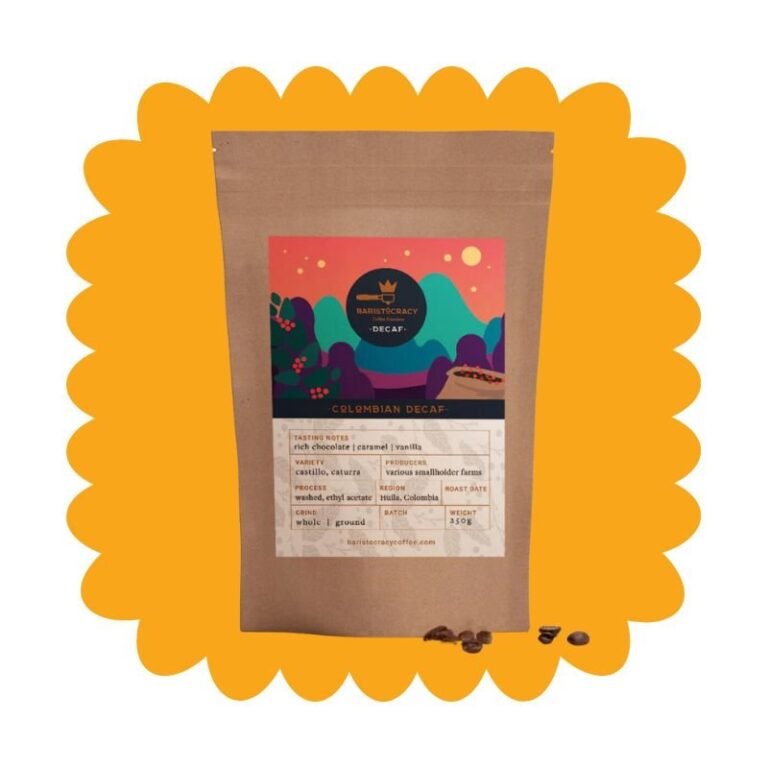
What makes the Coffee Triangle (Eje Cafetero) region so special, and how does it differ from other Colombian coffee regions like Huila and Nariño?
The Coffee Triangle is Colombia’s crown jewel of coffee production, and having travelled through the rolling hills of Caldas, Quindío, and Risaralda, I can tell you the landscape is absolutely magical. What makes this region special is the perfect storm of geography and heritage – the volcanic soils, consistent temperatures year-round, and the ideal altitude range of 1,200-1,800 metres create textbook conditions for arabica cultivation. The Coffee Triangle also benefits from generations of coffee-growing expertise; families have been perfecting their craft here for over a century, passing down knowledge about everything from pruning techniques to fermentation timing. The coffees from this region typically exhibit the classic Colombian profile – medium body, bright acidity, and those lovely caramel and chocolate notes with hints of citrus. Compare this to Huila in the south, which has become the specialty coffee darling in recent years. Huila’s higher altitudes (often exceeding 2,000 metres) and distinct microclimate produce coffees with more pronounced fruit characteristics – think tropical fruits, wine-like acidity, and floral aromatics. The processing is often more experimental too, with many Huila farms playing with extended fermentation and natural processing. Nariño, right on the Ecuadorian border, is perhaps the most exciting region for coffee geeks like myself. The extreme altitude, volcanic soils, and unique weather patterns create coffees with incredible complexity – bright acidity, full body, and flavours ranging from blackcurrant to chocolate to tropical fruits. While the Coffee Triangle represents tradition and consistency, Huila and Nariño are pushing boundaries and redefining what Colombian coffee can be.
Why does Colombian coffee consistently maintain such high quality standards, and what role does the National Federation of Coffee Growers play?
Colombian coffee’s reputation for quality isn’t accidental – it’s the result of one of the most sophisticated agricultural support systems in the world. The National Federation of Coffee Growers (FNC), established in 1927, is essentially the backbone of Colombian coffee excellence. What’s remarkable about the FNC is that it’s a private, non-profit organisation run by the coffee growers themselves, not the government. They’ve created an integrated ecosystem that supports farmers from seed to export. The FNC operates research stations that develop disease-resistant varieties, provides technical assistance to smallholder farmers, guarantees purchase prices above the commodity market, and maintains strict quality controls through their extensive network of purchasing points. I’ve visited some of these purchasing stations, and the attention to detail is impressive – every batch is cupped and graded before acceptance. The FNC also invested heavily in infrastructure, building wet mills, warehouses, and transportation networks that allow even remote mountain farmers to access international markets. Perhaps most importantly, they’ve created a culture of quality consciousness among growers. The FNC’s extension workers visit farms regularly, teaching everything from soil management to post-harvest processing. They’ve also established the Juan Valdez brand and marketing campaigns that command premium prices, which incentivises quality production. The result is that Colombian farmers understand that quality pays – they’re not just growing coffee, they’re crafting a product that carries Colombia’s reputation worldwide. This institutional support, combined with ideal growing conditions and generations of expertise, is why Colombian coffee maintains such consistently high standards.
How does Colombia’s twice-yearly harvest cycle work, and why does this create year-round availability of fresh Colombian coffee?
Colombia’s unique geography creates one of the most fascinating harvest patterns in the coffee world, and it’s why you can enjoy fresh Colombian coffee throughout the year. Unlike most coffee-producing countries that have a single harvest season, Colombia’s position straddling the equator means different regions experience their peak harvest times at different points in the year. The main harvest, called the “mitaca,” typically runs from September to December and accounts for about 60% of annual production. This coincides with the dry season in the northern regions like the Coffee Triangle. Meanwhile, the smaller “traviesa” harvest occurs from April to June, primarily in the southern regions like Huila and Nariño. What’s brilliant about this system is that it creates a natural rotation that keeps fresh coffee flowing to international markets year-round. I remember visiting a Colombian exporter who showed me their inventory management – they’re constantly receiving freshly processed coffee from different regions, which means roasters worldwide can access recently harvested Colombian beans regardless of the season. This dual harvest also spreads the workload for farmers and processing facilities, preventing the bottlenecks that can occur when an entire country harvests simultaneously. From a quality perspective, it’s fantastic because it means Colombian coffee never sits in warehouses for extended periods waiting for the next harvest. The twice-yearly cycle also helps with risk management – if weather affects one harvest, farmers have another opportunity within six months rather than waiting a full year. This system, combined with Colombia’s sophisticated logistics network, is why Colombian coffee maintains such freshness and availability in the global market.

