Fika Coffee Roasters
Fika Coffee Roasters are the Swedish inspired Durham based coffee roasters. Fika is the first coffee roasters to open in the city of Durham. Home to a great old Cathedral and one of the countries best Universities term time is buzzing with tourists and coffee-loving students.
Psssst. Have you signed up to our coffee subscription yet? There may or may not be a code for 25% off your first box at the bottom of the page.
About Fika Coffee Roasters
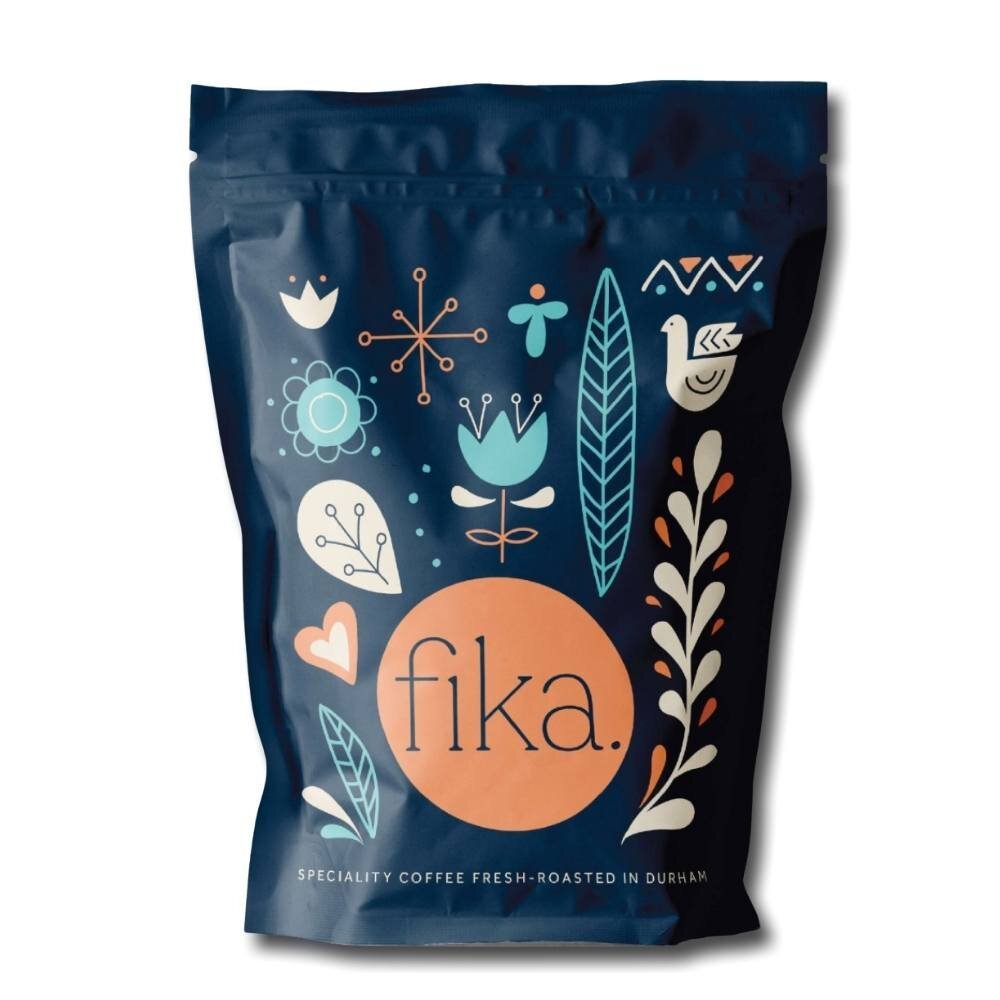
Fika is the first coffee roasters to open in the city of Durham. Home to a great old Cathedral and one of the countries best Universities term time is buzzing with tourists and coffee-loving students. Although these guys are fairly new to the coffee scene here in the UK the idea has been simmering for a few years. With a similar introduction to speciality coffee to me, owners Matt and Lynn discovered the wonders of Australian coffee culture in Melbourne 15 years ago. Australia is home to some of the finest coffee roasters in the world and although there are numerous roasters in the UK at the moment rivalling their quality, Australia has the edge when it comes to consistency and your average coffee drinkers expectation. Unlike the UK where Costa coffee rules the highstreet, Australia sees very few franchised cafes and predominantly supports small independent coffee brands. This creates an overall higher demand for quality coffee where just about everybody is a coffee connoisseur.
GOT A MATE THAT WOULD LOVE BATCH COFFEE CLUB?
Add their details below and if they sign up to a subscription your next box is on the house.*
*No limit to friends you can recommend. When your friend subscribes we will credit your account with one free box.
Coffee Origin
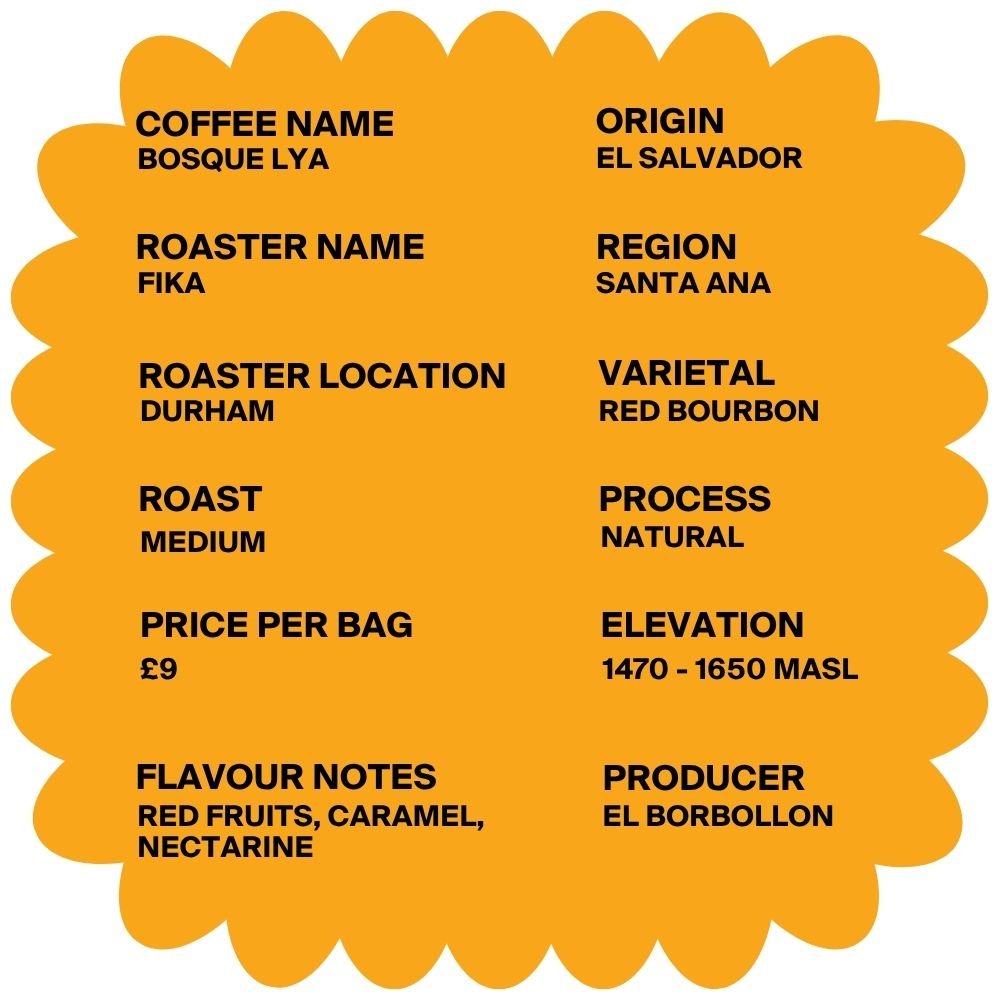
The Bosque Lya coffee from Fika Coffee Roasters originates from the Santa Ana region of El Salvador.
Ripe red cherries are handpicked between January and March and taken to a collection point to be hand-sorted by pickers before being transported to the El Borbollon mill. Upon arrival, the cherries are emptied into separate tanks for different lots from farms around the region. Water is used to move the cherries up a pump and into a “Pacas” depulper (of Salvadoran origin), which uses a cylinder pushing against a metal wall to remove the skin of the cherry from the beans. The pulped cherries are composted with calcium and then redistributed among farmers using the mill as fertilizer for the next harvest.
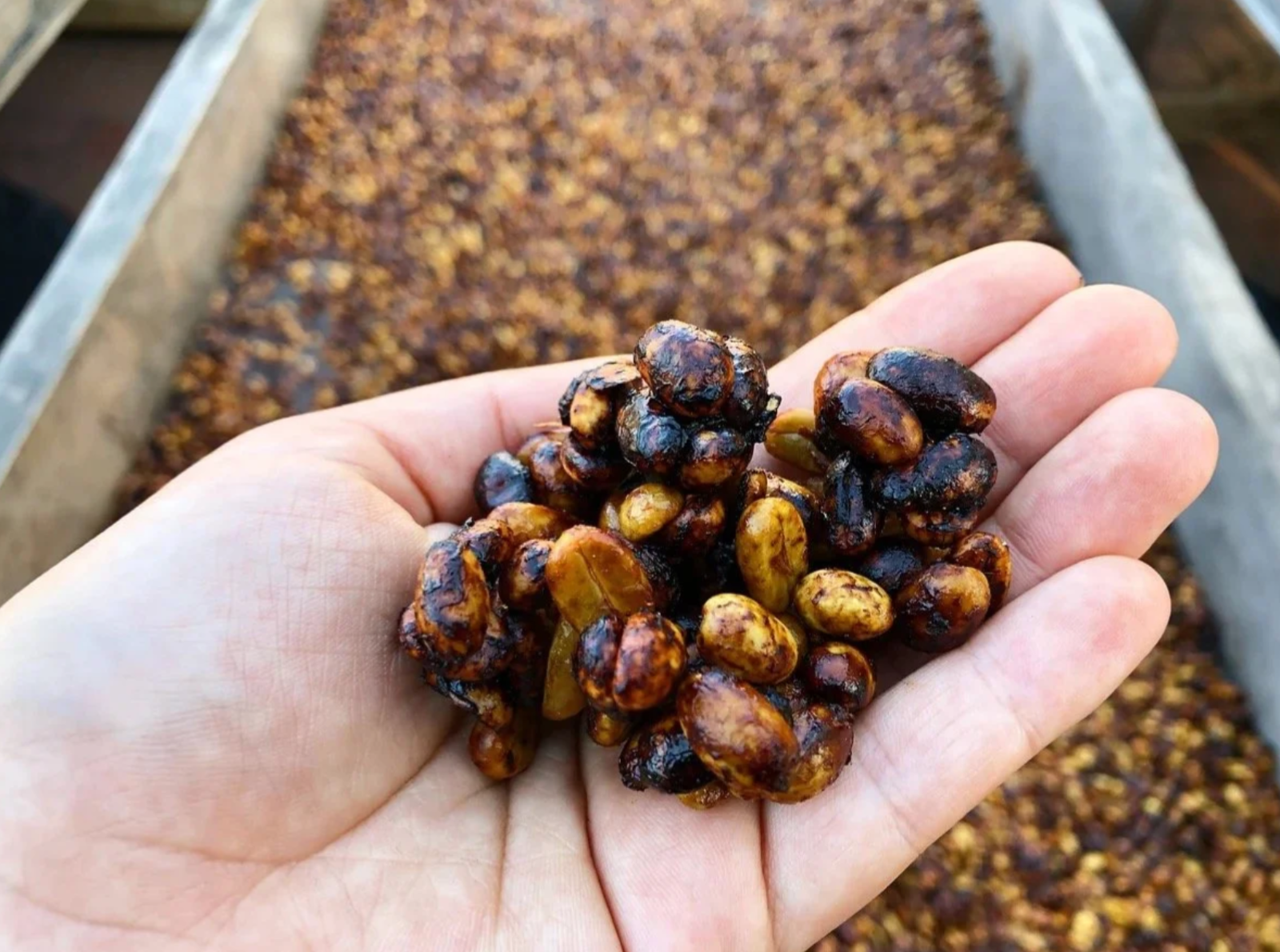
The sticky beans are then moved through channels to fermentation tanks, where they rest for 13 to 15 hours while naturally occurring bacteria and microbes break down the sugars and alcohols in the mucilage of the bean.
The fermented beans are then moved to a washing machine, where fresh water is used to remove any remaining mucilage and prepare the beans for the drying patios. All water is recycled and reused to move fresh cherries around the wet mill. The washed beans are then taken to the drying patios and kept separate by lot. They dry for around 8-10 days, though El Borbollon is experimenting with extending drying periods by laying the beans densely and covering them for parts of the day. It is believed that extending the drying time will result in more complex nuances in the cup.
The dried parchment is left to rest for around six weeks before being hulled to remove the parchment layer. Once hulled, the beans are hand-sorted by a group of around 40 women who remove any defects. The women work in shifts, are paid above minimum wage, and are highly skilled at their work—our lot from Bosque Lya will be left with 0-1% defects. The mill owner, Eduardo, mentioned that while he could source a machine to sort the beans, it would result in the loss of many jobs.
What To Expect
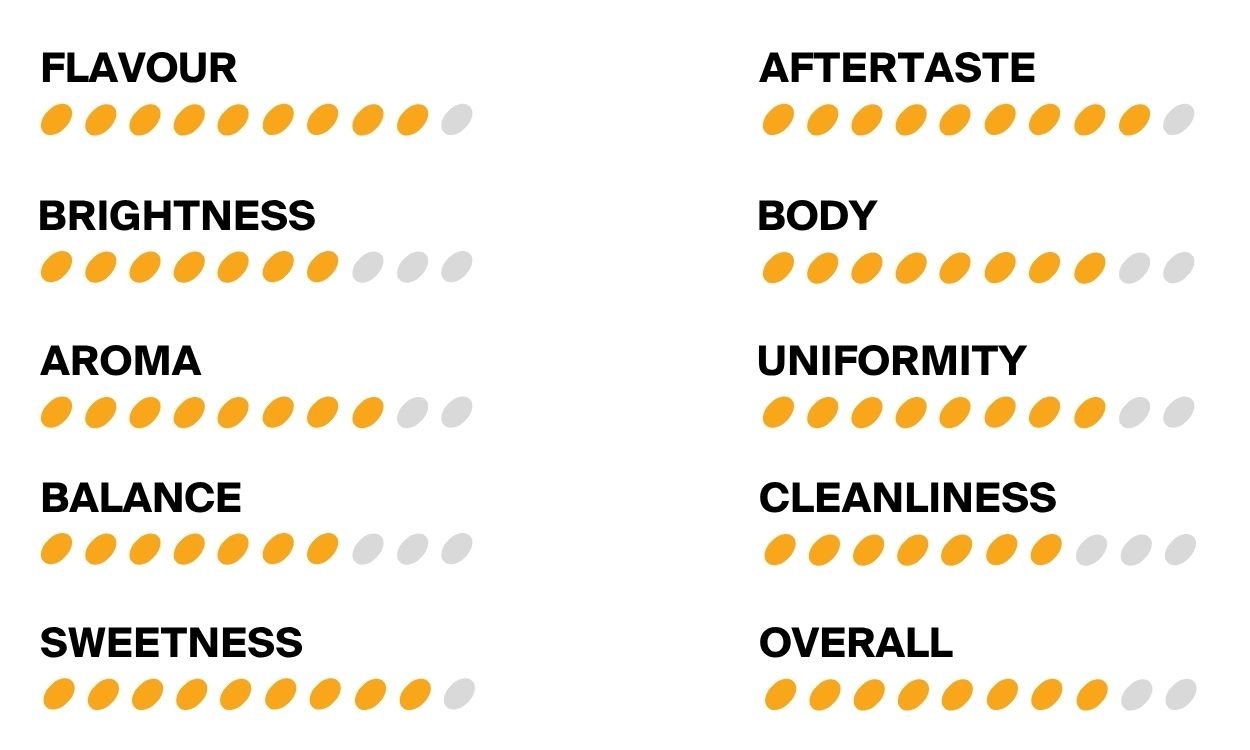
Here’s an idea of what to expect from this delicious El Salvadorian natural coffee from Fika coffee roasters.