Brew Pour Over Like a Pro
Pour Over Grind Size: How Fine to Grind for V60, Chemex and Kalita
BY TOM SAXON
Pour over coffee is a cruel mistress.
Watching a barista gently pour water over a bed of coffee grounds may look easy.
I can guarantee, however, that the recipe has been refined for that particular coffee, with every variable tweaked along the way.
Grind size is the one that trips up most home baristas, so here is the short answer first and the detail after.
SKIP TO
▻ The short answer
▻ Pour over grind size by brewer
▻ What a pour over grind looks and feels like
▻ Pour over settings for popular grinders
▻ How to dial in your grind by taste
▻ Why grind size matters so much in pour over
▻ Light roast, dark roast and fresh beans
▻ How much coffee to use
▻ Can you use espresso grind or pre ground coffee?
▻ No grinder? Two coffees we would brew
▻ Frequently asked questions
The short answer
Grind medium fine for pour over, roughly the texture of table salt or fine sea salt. That suits a single cup V60 brewed in about three minutes. Flat bottomed drippers like the Kalita Wave want a touch coarser, and a Chemex coarser again, closer to coarse sea salt. After that, let your tongue finish the job: if the cup tastes sour, grind finer; if it tastes bitter or dry, grind coarser.
It’s all about using your senses with a pour over. A coffee may brew completely different one day to the next depending on a number of factors. So use them and enjoy them, it’s not just about the coffee it’s about the ritual dude.
Pour over grind size by brewer
Every pour over brewer drains at a different speed, so each one wants a slightly different grind. Use this as a starting point, then adjust by taste.
| Brewer | Grind | Feels like | Total brew time | Starting recipe |
|---|---|---|---|---|
| Hario V60 (and other cone drippers) | Medium fine | Table salt to fine sea salt | 2:30 to 3:30 | 15g coffee to 250g water |
| Kalita Wave and flat bottom drippers | Medium | Fine sea salt | 3:00 to 4:00 | 15g coffee to 250g water |
| Chemex | Medium coarse | Coarse sea salt | 4:00 to 5:00 | 30g coffee to 500g water |
| Clever Dripper and other steep and release brewers | Medium | Fine sea salt | 3:00 to 4:00, including a 2 minute steep | 15g coffee to 250g water |
| Filter coffee machine | Medium | Sea salt | 4:00 to 6:00 | 60g coffee per litre |
Two rules of thumb sit behind the table. A thicker paper or a smaller hole slows the water down, so you grind coarser to compensate, which is why the Chemex with its heavy filter sits at the coarse end. And the more coffee in the cone, the longer the water takes to get through it, so a big brew for four wants a slightly coarser grind than a single cup. Hario publish their own V60 recipe if you want a second opinion, and our pour over brew guide walks through the whole method.
What a pour over grind looks and feels like
Pinch a little between your finger and thumb. A pour over grind should feel gritty, like salt, with individual particles you can see. If it feels powdery and sticks to your fingers, it is heading towards espresso. If the pieces are as big as cracked pepper, you are into cafetière territory.
Method sorted. Now for the Coffee.
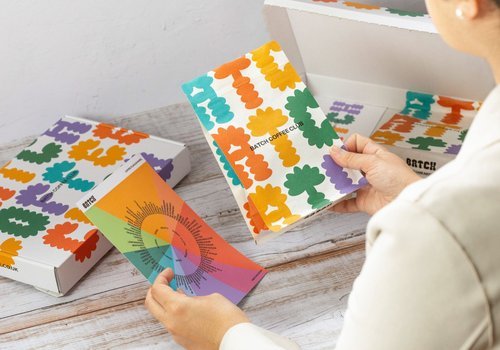
Every fortnight we send two speciality coffees from independent UK roasters, ground for your brewer: stovetop, cafetière, AeroPress, filter or espresso. Whole bean if you grind your own.
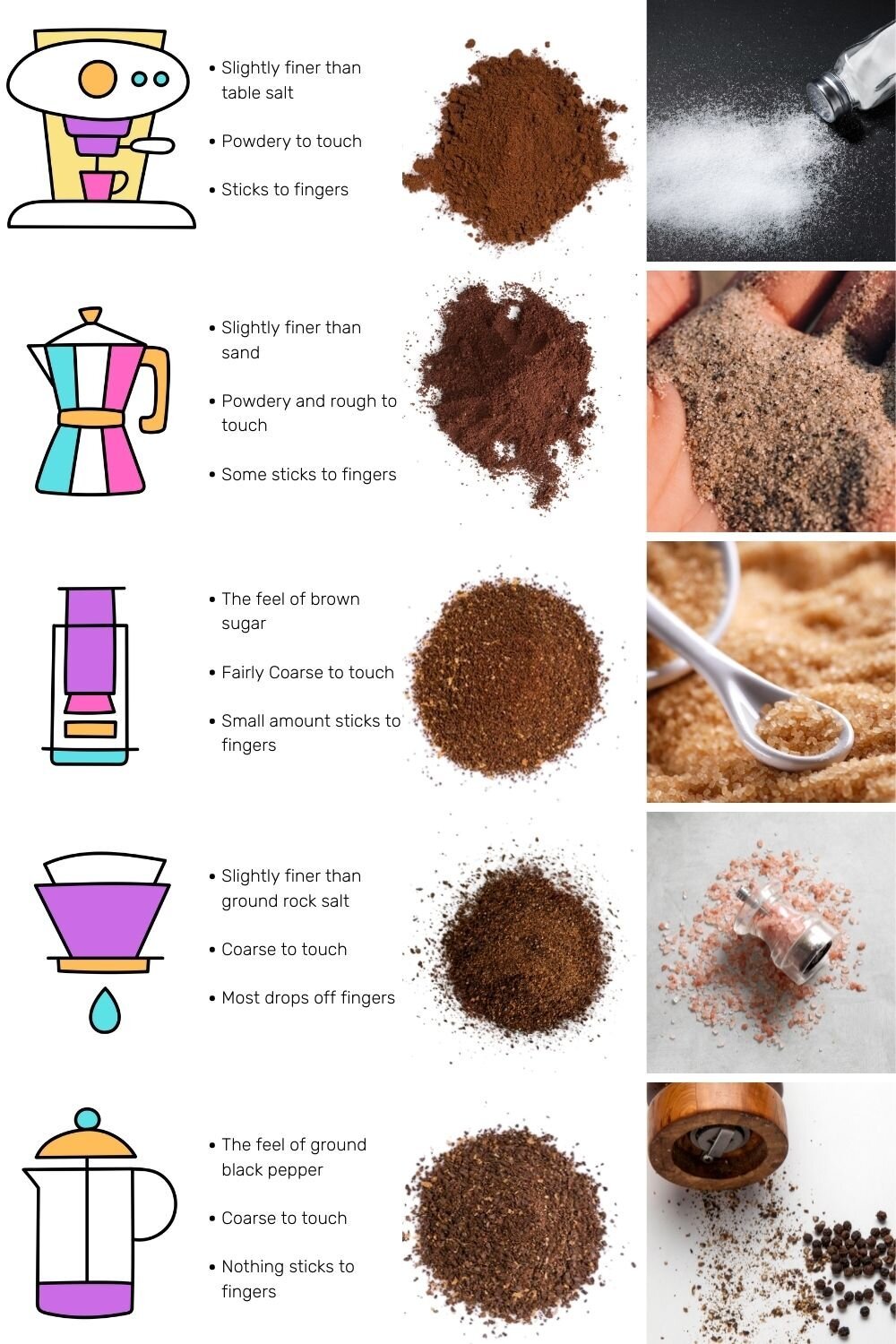
Our full coffee grind size chart covers every brew method, and there is a printable grind size cheat sheet to stick on the cupboard door.
Pour over settings for popular grinders
Grinder numbers are not universal: a 15 on one grinder has nothing to do with a 15 on another, and even two of the same model can be calibrated slightly differently. The ranges below are the V60 settings from Honest Coffee Guide, who map each grinder’s settings to particle size. Start in the middle of the range and move a step at a time.
| Grinder | V60 and pour over range | Notes |
|---|---|---|
| Baratza Encore | 7 to 18 | Most people land around the middle for a single cup |
| Baratza Encore ESP | 15 to 25 | The filter range sits higher on the dial than on the original Encore |
| Baratza Virtuoso+ | 8 to 20 | Start around the middle and adjust by taste |
| Sage Smart Grinder Pro | 21 to 48 | Built for espresso, so filter uses the coarse end of the dial |
| Wilfa Svart | 3 to 9 | Somewhere around the Aeropress and Filter markings on the dial |
| Wilfa Uniform | 11 to 25 | Steps are small, so move several at a time |
| Fellow Ode Gen 2 | 2.2 to 5.2 | Designed for filter, so most of the dial is usable |
| Comandante C40 MK4 (clicks) | 15 to 25 | Count clicks from fully closed |
If yours is not on the list, use the maker’s own guide or the filter marking on the dial, brew, taste and adjust. If you are shopping for one, these are our favourite grinders for pour over, and hand grinders like the Comandante are covered in our manual grinder guide.
How to dial in your grind by taste
Brew with your starting grind, time it, then taste. The cup tells you which way to go.
| What you notice | What it means | What to change |
|---|---|---|
| Sour, thin or salty, and the water ran through quickly | Under extracted | Grind finer |
| Bitter, dry or hollow, and the bed took ages to drain | Over extracted | Grind coarser |
| Tastes balanced but weak | Not enough coffee | Use more coffee, not a finer grind |
| Water pools and stalls, with a muddy bed at the end | Too many fines | Grind coarser, or swirl less; a blade grinder makes this worse |
Change one thing at a time and keep everything else the same: the same dose, the same water and the same pouring. Small steps are fine. One or two settings on most grinders is enough to taste a difference.
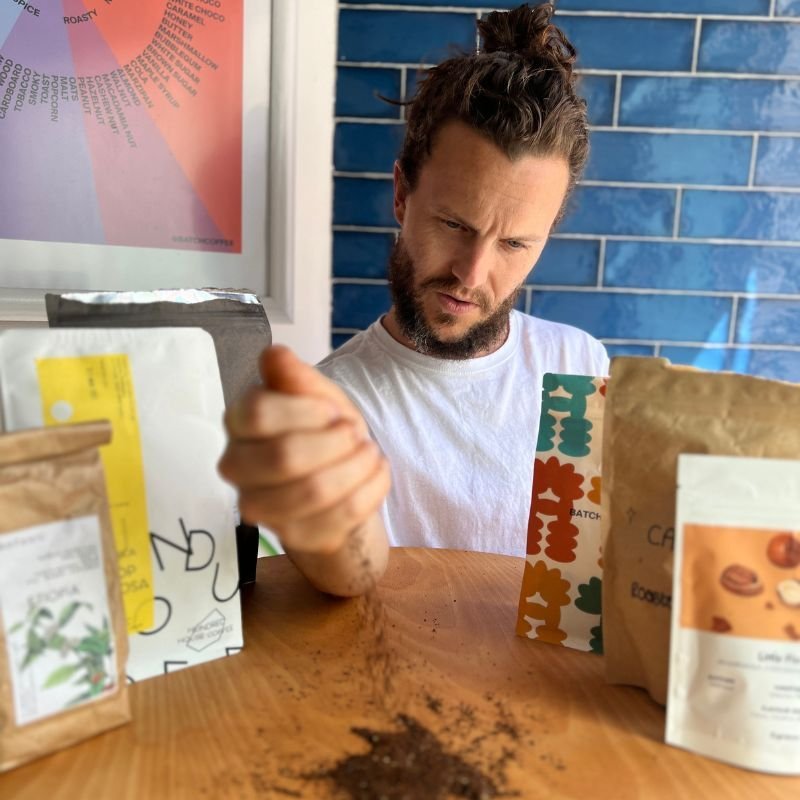
For me don’t loose too much sleep about finding the perfect grind for pour over as you would espresso. You have a little more leeway with pour over so enjoy the process!
Why grind size matters so much in pour over
Brewing coffee is all about extraction: dissolving the right amount of flavour out of the grounds and into the water. Too little and the coffee tastes sour and thin. Too much and it turns bitter and drying. Finer grounds have more surface area, so they give up their flavour faster; coarser grounds give it up more slowly.
That is why espresso, which brews in about 30 seconds, needs a very fine grind, and a cafetière, which steeps for four minutes, needs a coarse one. Pour over has an extra twist. In an immersion brewer you decide the brew time with a timer, but in a pour over the grind decides it for you. Finer grounds slow the water down as it drains through the bed, so a finer grind means both more surface area and a longer brew. Small changes to the grinder have a big effect, which is exactly why pour over can be so frustrating and so rewarding.
Light roast, dark roast and fresh beans
- Light roasts are denser and harder to extract. Grind a touch finer and use water just off the boil.
- Darker roasts give up their flavour easily. Grind a little coarser and let the kettle sit for 30 seconds after boiling, which takes the edge off the bitterness.
- Very fresh coffee is full of carbon dioxide, which bubbles up during the bloom and can push water away from the grounds. Give it a full 30 to 45 second bloom, and expect to grind slightly finer as the bag gets older.
- Weigh, don’t scoop. Beans vary in size and density, so a scoop of one coffee is not the same as a scoop of another.
If you are not sure where your coffee sits on the scale, our guide to light roast vs dark roast explains what the roast level does to flavour, and what “medium” on a speciality bag really means.
How much coffee to use
The Specialty Coffee Association’s brewing standard is 55g of coffee per litre of water, about 1 to 18. Most pour over recipes sit a little stronger, between 1 to 15 and 1 to 17. We start at 60g per litre, about 1 to 16.7:
- One mug: 15g of coffee to 250g of water
- Two cups: 30g of coffee to 500g of water
- A Chemex for the table: 45g of coffee to 750g of water
If the cup is balanced but too strong or too weak for you, change the ratio rather than the grind. Our guide to grinding coffee beans has more on getting consistent results.
Can you use espresso grind or pre ground coffee?
Espresso grind is a bad idea. It is so fine that it clogs the paper, the water stalls, and the coffee sits in contact with all that surface area for far too long. The result is bitter, muddy and slow. If espresso grind is all you have, a cafetière or an AeroPress will cope with it far better.
Pre ground filter coffee works perfectly well in a pour over, as long as it was ground for filter. You lose a little freshness once coffee is ground, so use it within a couple of weeks of opening and keep it airtight. A grinder lets you tweak the grind for each coffee, which pre ground can’t do, but plenty of very good pour overs are made with coffee ground by the roaster.
No grinder? Two coffees we would brew
Pour over is the brewer that shows off fruity, lighter coffees best, and both of these have been through a Batch box. Batch can grind every bag for filter at checkout, so you can skip the grinder altogether. If you want more options, see our best coffee beans for pour over.
Awash by Danelaw
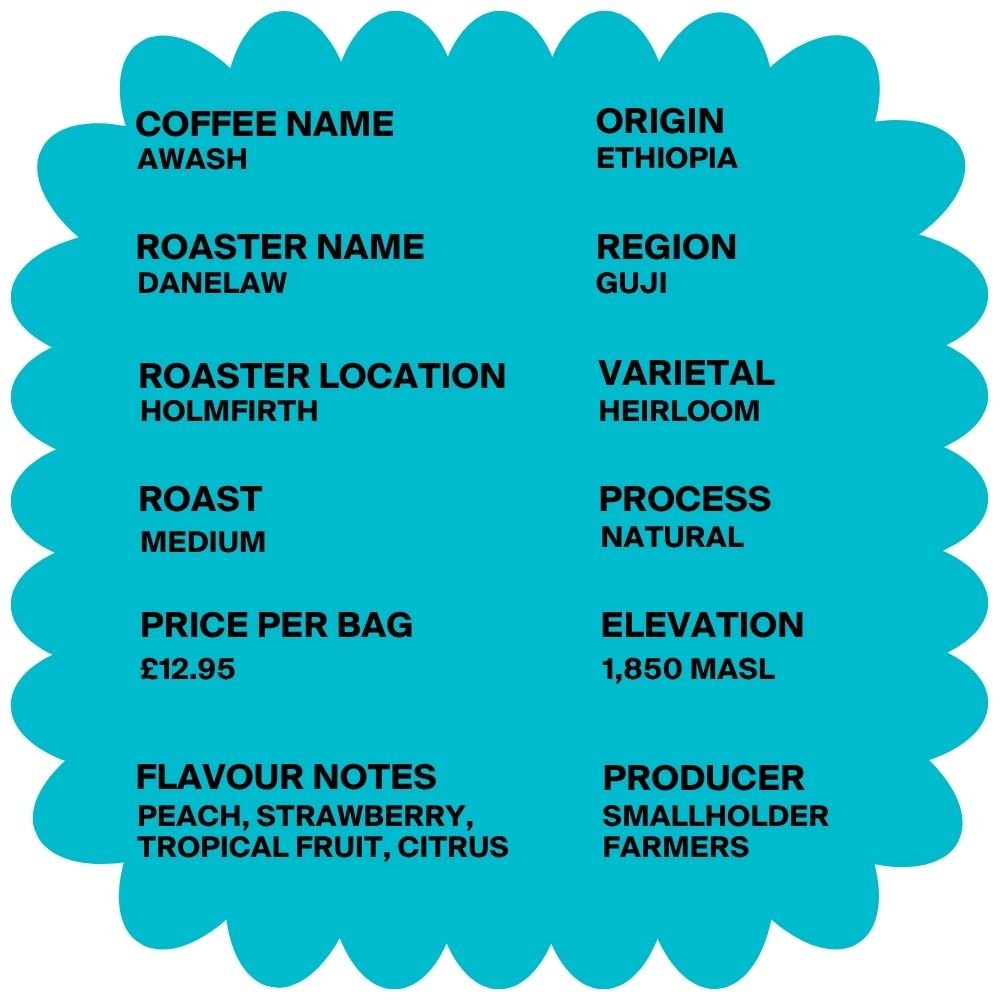

- Origin: Guji, Ethiopia
- Process: Natural
- Flavour notes: Peach, strawberry, tropical fruit, citrus
- Price when featured: £12.95
A natural Ethiopian grown at 1,850 metres, and about as fruity as coffee gets. Through a V60 the clean paper filter lets the peach and strawberry come right through. Danelaw roast in Holmfirth, West Yorkshire. Read our Danelaw Coffee Roasters review.
El Matazano by Odd Kin
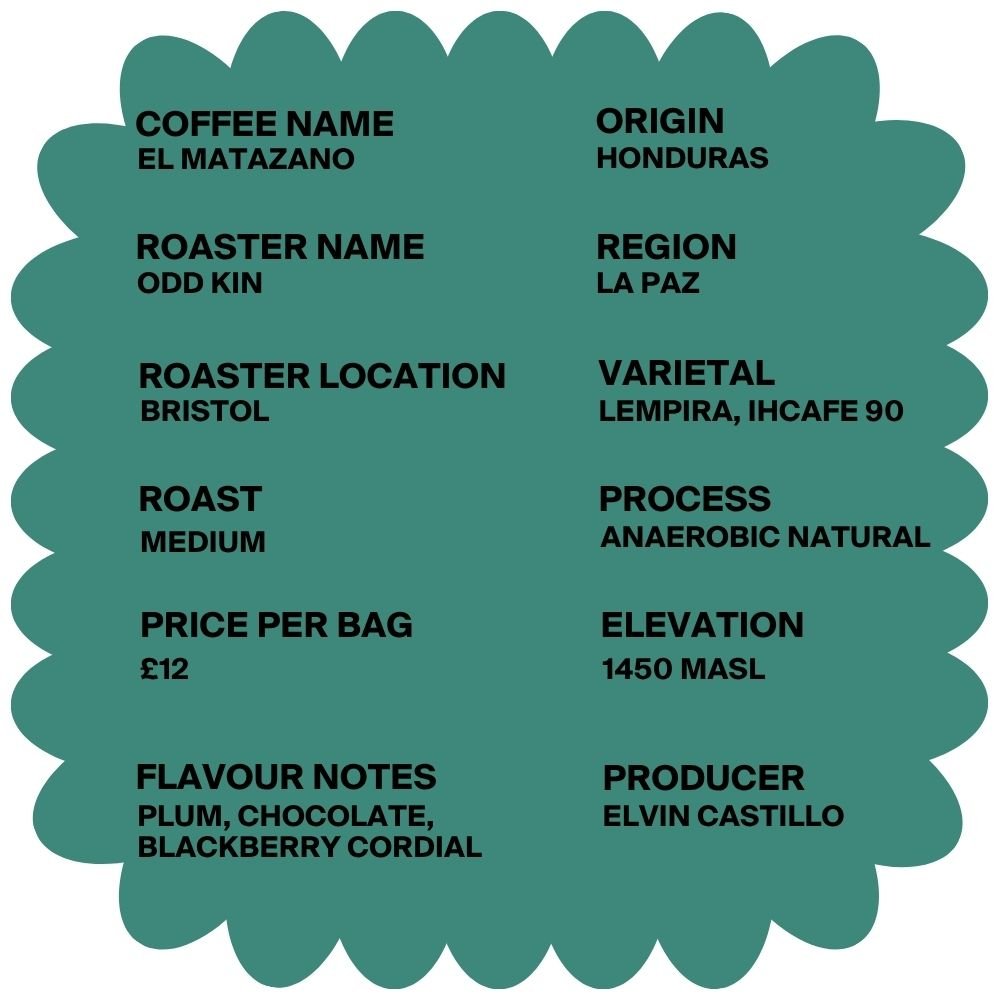

- Origin: La Paz, Honduras
- Process: Anaerobic natural
- Flavour notes: Plum, chocolate, blackberry cordial
- Price when featured: £12
Jammy fruit with a chocolate base, so it is a forgiving pour over for anyone who finds very light coffees a bit thin. Odd Kin roast in Bristol. More on how anaerobic fermentation works in our guide. Read our Odd Kin Coffee Roasters review.
Frequently asked questions
What grind size is best for pour over coffee?
Medium fine, roughly the texture of table salt or fine sea salt, for a single cup V60. Flat bottom drippers like the Kalita Wave suit a medium grind, and a Chemex works best with a medium coarse grind, closer to coarse sea salt.
How coarse should coffee be for pour over?
Coarser than espresso and finer than a cafetière. If the grounds feel powdery and stick to your fingers it is too fine; if they look like cracked black pepper it is too coarse. Aim for a gritty, salt like texture and adjust by taste.
Can you use espresso ground coffee for pour over?
It is not a good idea. Espresso grind is so fine that it clogs the paper filter, the water stalls and the coffee over extracts, tasting bitter and muddy. Use it in a cafetière or AeroPress instead.
Does a finer grind make pour over coffee stronger?
It makes it taste stronger, up to a point, because finer grounds extract more flavour and slow the water down. Go too fine and the coffee turns bitter rather than strong. To make a pour over stronger without bitterness, use more coffee for the same amount of water.
How much coffee should I use for pour over?
A good starting point is 60g of coffee per litre of water, about 1 to 16.7. That is 15g of coffee to 250g of water for one mug, or 30g to 500g for two cups. Weigh the coffee rather than using a scoop.
Is Chemex grind different from V60 grind?
Yes. The Chemex uses a much thicker paper filter that slows the water down, so it needs a coarser grind than a V60, closer to coarse sea salt, and a total brew time of around four to five minutes.
Want fresh coffee ground for your pour over? Every fortnight we send two speciality coffees from different independent UK roasters, whole bean or ground for filter, with tasting notes on every bag. Use BATCHBREW10 for 10% off your first box. Start your coffee subscription