

Short answer: coffee got expensive because the world spent two years drinking more of it than farmers could grow. Droughts in Brazil and Vietnam shrank harvests, warehouse stocks ran down to their lowest in decades, and in early 2025 the price of arabica on the futures market passed £7.50 a kilo, the highest ever recorded. Everything that happens after the farm (shipping, roasting, wages, packaging, postage) has gone up too. The good news: bean prices have fallen by roughly a third since that peak, and UK shop prices have finally stopped climbing. The less good news: they have not really come down yet, and there are reasons they might not.
Coffee prices have been a hot topic of conversation between our team at Batch and coffee roasters over the last few years when we’re sourcing coffee to feature in our coffee club. At one point the rate at which green coffee was increaing in value looked as though we’d soon be charging unrealistic prices for specialty coffee. There’s so many variables in the production of coffee before it hits your cup which makes pricing the end product quite tricky to plan.
I’m Tom Saxon. I have spent 13 years in coffee as a barista and roaster, wrote The Home Barista, and now run Batch Coffee Club, which sends out two coffees from independent UK roasters every fortnight. This page gets updated every quarter, so it always reflects where prices are now.
Coffee prices right now: the numbers
Here is where things stand this autumn. Arabica is traded in US dollars per pound weight, so we have converted everything to pounds sterling per kilo at today’s exchange rate.
| What | Where it is now | Why it matters |
|---|---|---|
| Arabica futures price | About £4.80 a kilo in early autumn 2026, its lowest for three months | Down roughly a third from the record, so pressure on roasters is easing |
| Record high | More than £7.50 a kilo, early 2025 | It beat a record that had stood since a Brazilian frost in 1977 |
| Arabica held in exchange warehouses | Around 13,000 tonnes, the lowest in 27 years | Thin stocks mean any bad weather news moves the price quickly |
| Brazil’s 2026/27 harvest | Estimated at about 4 million tonnes, up 19% on last year | A bigger crop is the main reason prices are falling |
| UK shop prices for coffee | 1.4% lower in late summer 2026 than a year earlier | The first fall in years, but after a 12.5% rise in 2025 |
Sources: ICE Coffee C futures, Conab (Brazil’s crop agency) and the Office for National Statistics. I’ll refresh these figures each quarter.
Can’t decide? Let us pick.
Two speciality coffees from different UK roasters in each delivery.
Pause or cancel whenever you like.
Why is coffee so expensive? Five reasons
1. Bad harvests in the two biggest growing countries
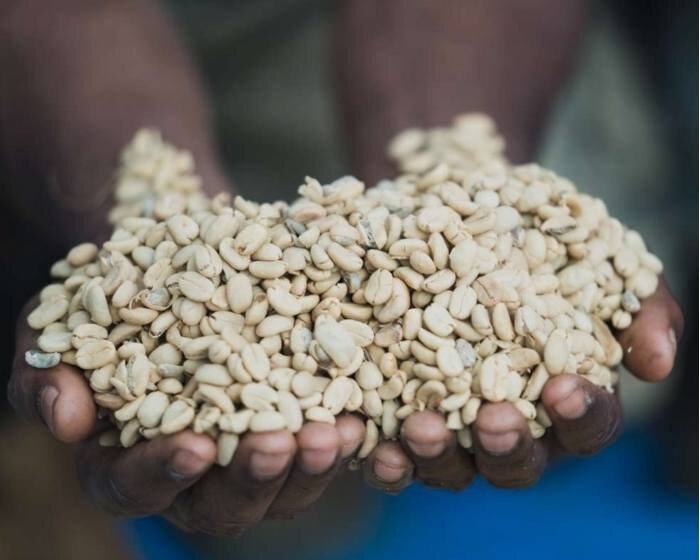
Brazil grows more arabica than anywhere else, and Vietnam dominates robusta, the cheaper, punchier bean used in instant coffee and many supermarket blends. Both had a run of drought and heat, so the harvests that were supposed to refill the cupboards came in short. When the two biggest suppliers both have a bad time at once, there is nowhere else big enough to make up the gap.
2. The world’s coffee stockpile ran down
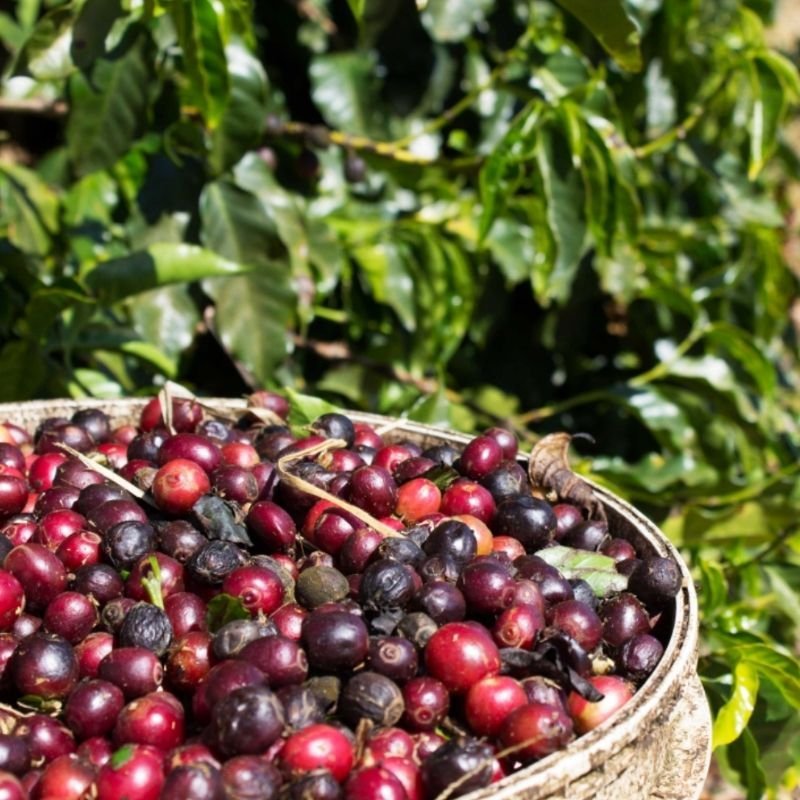
Coffee traders keep certified stocks in exchange warehouses as a buffer. After several years of the world drinking more than it grew, that buffer has shrunk to its lowest level in 27 years. Low stocks make the market jumpy: a dry week in Minas Gerais or a flood warning in Vietnam can send prices up sharply, because there is so little spare coffee sitting around to calm things down.
3. Money, markets and politics
Coffee is priced in US dollars and traded on futures markets, so it attracts investors who never touch a bean. When prices started rising, funds piled in and pushed them higher still. Trade politics added to the mess in 2025, when the United States put steep tariffs on imports from Brazil and buyers scrambled to rearrange where their coffee came from (Perfect Daily Grind covered the fallout well). For UK buyers, a weaker pound against the dollar makes every bag more expensive again.
4. Everything after the farm costs more too
Green coffee is only part of the price. Once it arrives in the UK it has to be roasted, packed and posted, and all of that has gone up. The National Living Wage rose to £12.71 an hour this spring, energy for roasters is far pricier than it was five years ago, and packaging and postage keep creeping up. None of these costs fall back just because the futures price does.
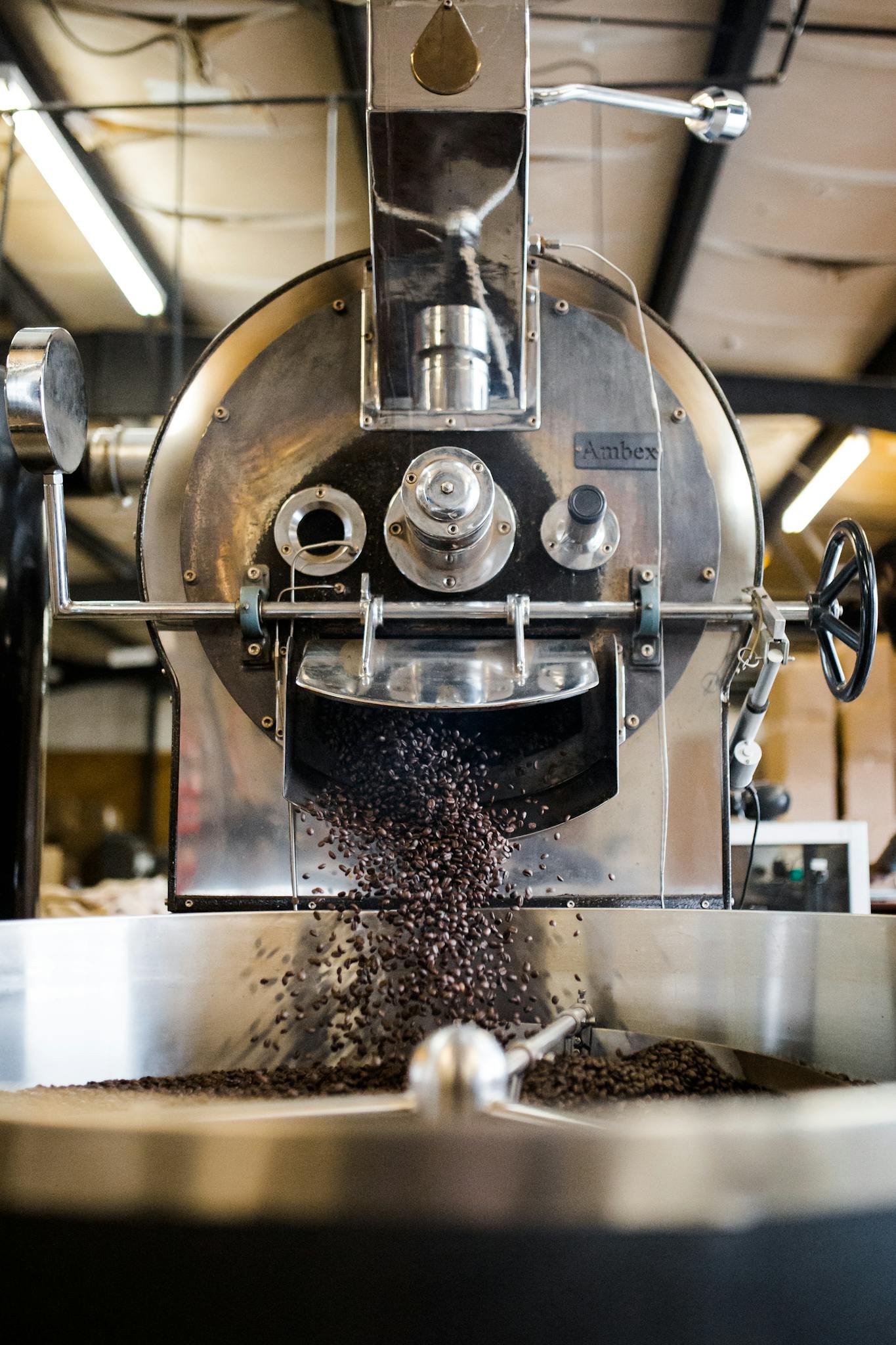
We found the postage and packaging creeping up effected Batch the most.
5. Climate change is making coffee harder to grow
Arabica is fussy. It likes a narrow band of temperature and steady rainfall at altitude, and that band is shifting. Research has long warned that the land suited to growing it could shrink significantly over the coming decades. Farmers are fighting back with new varieties, shade trees and higher farms, but that costs money, and so does every harvest lost to a freak frost or a failed rainy season. This is the reason many in the trade think the days of very cheap coffee are over, even when prices dip.
What has happened to arabica prices since the record?
A quick timeline, because the story has moved a lot:
- Spring 2024 onwards: arabica sits above £5 a kilo, already high by historical standards.
- Early 2025: it breaks through £7.50 a kilo, beating a record that had stood since 1977 (Perfect Daily Grind has the story of how roasters coped).
- Autumn 2025: after a dip, prices climb back towards the record as stocks keep falling and tariffs shake up trade.
- Late summer 2026: around £5.50 a kilo, still propped up by very low stocks and worries about El Niño.
- Early autumn 2026: down to a three month low of about £4.80 a kilo, as Brazil’s bigger harvest arrives and its exports hit record levels, according to Brazil’s exporters’ association Cecafé.
So the price of the raw bean has come down properly. The question everyone asks next is why that has not shown up on the shelf.
Coffee prices in the UK: why haven’t they come down?
According to the Office for National Statistics, coffee in UK shops cost 12.5% more on average in 2025 than in 2024, with the yearly rise peaking at 18% in the summer of 2025. In 2026 the increases have slowed to a crawl, and by late summer prices were 1.4% lower than a year before. That is the first proper fall in a long time, but it only takes back a small slice of the rises of the last few years.
There are a few reasons shop prices lag behind the market:
- Roasters buy months ahead. Much of the coffee being roasted this autumn was bought when prices were much higher, so it still has to be paid for.
- The other costs have not fallen. Wages, energy, packaging and postage are all higher than they were, whatever arabica does.
- Nobody trusts the drop yet. Prices have swung wildly for two years. Most roasters would rather hold steady than cut prices and then have to raise them again in six months.
Coffee shops are a slightly different story. The coffee in your flat white is only a small part of what you pay; the rest is rent, staff, milk and the cup. That is why a cheaper bean price barely touches the price on the café board, even at the best coffee shops in the UK.
What’s actually in the price of a bag of coffee?
Here is a rough way to think about it. A 200g bag of roasted coffee starts life as roughly 240g of green coffee, because beans lose water and weight in the roaster. At today’s futures price of about £4.80 a kilo, that green coffee costs around £1.15 on the commodity market. But speciality coffee does not trade at the futures price. Roasters pay a premium on top for quality, traceability and a fairer deal for the farm, and then pay to ship it, store it, roast it, pack it and post it.
If you want to understand what that premium buys, our guide to the different types of coffee beans explains why arabica costs more than robusta, and our pick of the best speciality coffee beans in the UK shows what it tastes like in the cup.
Why is speciality coffee more expensive than supermarket coffee?
Supermarket coffee is mostly bought in huge volumes, often blended with robusta, and roasted months before it reaches you. Speciality coffee is bought in small lots from named farms, scored for quality, and roasted in small batches close to when you drink it. The price gap is real, but it is also smaller than you might think per cup: a bag that costs twice as much makes the same number of cups, and they are a great deal nicer. Our look at the best ground coffee in the UK is a good place to compare.
There is also the farmer to think about. When coffee is bought as cheaply as possible, the grower usually gets the smallest slice. Paying more for traceable coffee is one of the few ways to make sure some of the money gets back to the people who grew it. Every coffee we have sent is listed in our box archive, with a review of each one, and our guide to the best coffee roasters in the UK covers the roasters doing this well.
Will coffee prices go down?
Honestly, nobody knows, and anyone who tells you otherwise is guessing. Here is how the arguments stack up right now.
Reasons prices could keep falling: Brazil’s 2026/27 harvest is forecast by Conab to be one of its biggest, with arabica output up by around a third, and forecasters, including the International Coffee Organization, expect the world to produce more coffee than it drinks for the first time in years. Record exports from Brazil are already pushing the futures price down.
Reasons they might not: stocks are still at a 27 year low, so there is very little cushion. A strong El Niño is forecast, which could bring drought to Brazil just as next year’s crop is flowering. And all the costs after the farm are sticky, so even if bean prices fall further, the bag on your doorstep is unlikely to fall by the same amount.
How to keep good coffee affordable at home
- Brew at home. A £9.95 bag of speciality coffee makes around 13 cups at a 15g dose, which works out at under 80p a cup. Even a cheap café coffee costs several times that.
- Weigh your coffee. Most people use more coffee than they need. A cheap set of coffee scales pays for itself surprisingly quickly.
- Buy whole beans and store them well. Coffee that goes stale gets thrown away, which is the most expensive coffee of all. Here is how long coffee beans last, and our guide to grinding coffee beans if you are new to it.
- Buy fresh, little and often. A subscription that sends two bags a fortnight means you are always drinking coffee at its best, and you are never tempted by an emergency jar of instant.

If you are weighing up the options, our round up of the best coffee subscriptions in the UK compares the main players side by side.
Frequently asked questions
Why is coffee so expensive in 2026?
Coffee is still expensive in 2026 because prices are coming down from the highest level ever recorded. Two years of poor harvests in Brazil and Vietnam drained the world’s stocks, and costs after the farm, such as wages, energy and packaging, have risen too. Bean prices have fallen since the 2025 peak, but shop prices move much more slowly.
Is there a coffee shortage?
Not in the sense that you will find empty shelves. The shortage is in the reserves: exchange warehouse stocks of arabica are at a 27 year low. That makes prices sensitive to any bad weather news, even though this year’s Brazilian harvest is a big one.
Why is arabica more expensive than robusta?
Arabica is harder to grow. It needs altitude, cooler temperatures and steady rain, it yields less, and it is more vulnerable to disease and climate change. It also tastes sweeter and more complex, which is why almost all speciality coffee is arabica.
Will coffee prices go down in 2027?
Bean prices may keep easing if Brazil’s big harvest holds and the world produces a surplus. But low stocks and a strong El Niño are real risks, and the costs of roasting, packing and posting coffee are unlikely to fall. Expect any drop in shop prices to be slow and modest.
Why does speciality coffee cost more?
Speciality coffee is bought in small traceable lots at a premium above the market price, roasted in small batches and sent out fresh. You pay more per bag, but the cost per cup at home is still well under £1.
The bottom line
Coffee got expensive because of a genuine shortage, made worse by markets, politics and rising costs everywhere else. The worst of the bean price spike looks to be behind us, but good coffee is unlikely to go back to being cheap, and it probably shouldn’t. The best way to keep it affordable is to buy it well and brew it at home.
Want great coffee without paying café prices? Batch Coffee Club sends two speciality coffees from independent UK roasters every fortnight, roasted fresh and ground to order if you like. Use BATCHBREW10 for 10% off your first box.

