Just so you know. When you buy via the links on our blogs, we may earn an affiliate commission at no cost to you. Learn More
Do you have a favourite coffee roast?
There is far more to coffee roasting than just throwing a few raw coffee beans into an oven. Let’s discuss the different coffee roasts.
You will sometimes see the type of coffee roast or the roast profile displayed on retail bags alongside the origin and other details such as altitude and varietal.
Supermarket coffees may display strength or roast usually with a number from 1-10.
How Does Coffee Roasting Actually Work, and Why Does It Matter?
Coffee roasting is a precise chemical process that transforms raw, green coffee beans into the aromatic brown beans we’re familiar with. During roasting, heat triggers a series of chemical reactions that develop the complex flavours we associate with coffee.
The process begins at around 180°C, where beans undergo their first ‘crack’ – an audible splitting as moisture escapes and the beans expand.
The roasting process fundamentally changes the bean’s chemical composition. Initially, moisture evaporates, and the beans turn from green to yellow, then tan, and progressively darker shades of brown.
The Maillard reaction occurs around 150°C, creating melanoidins that contribute to flavour development and colour. As temperatures increase, oils begin migrating to the surface, sugars caramelise, and organic compounds break down, each stage creating distinct flavour characteristics.
The roaster’s skill lies in knowing exactly when to stop this process to achieve the desired flavour profile.
Light roasts (180-205°C) preserve more of the bean’s original characteristics, medium roasts (210-220°C) offer balanced profiles, whilst dark roasts (240-250°C) develop more intense, bitter flavours as sugars caramelise further.
Different Coffee Roast Levels?
Coffee roast levels are typically referred to as Light, Medium , Medium-Dark and Dark.
The roasting level is one of the most important factors that determine the taste of your coffee.
Roasting at high temperatures cause oils to be released at the surface of the beans which influence the flavour.
Light roast happens when the bean’s internal temperature reaches somewhere between 180 – 205°C (355 – 400°F).
At this point you usually hear a cracking sound, due to the beans expanding in size.
Light roasts are not roasted much beyond this first ‘crack’. They exhibit acidic flavors, have no oil at the surface, and are best used for pour-over coffee.
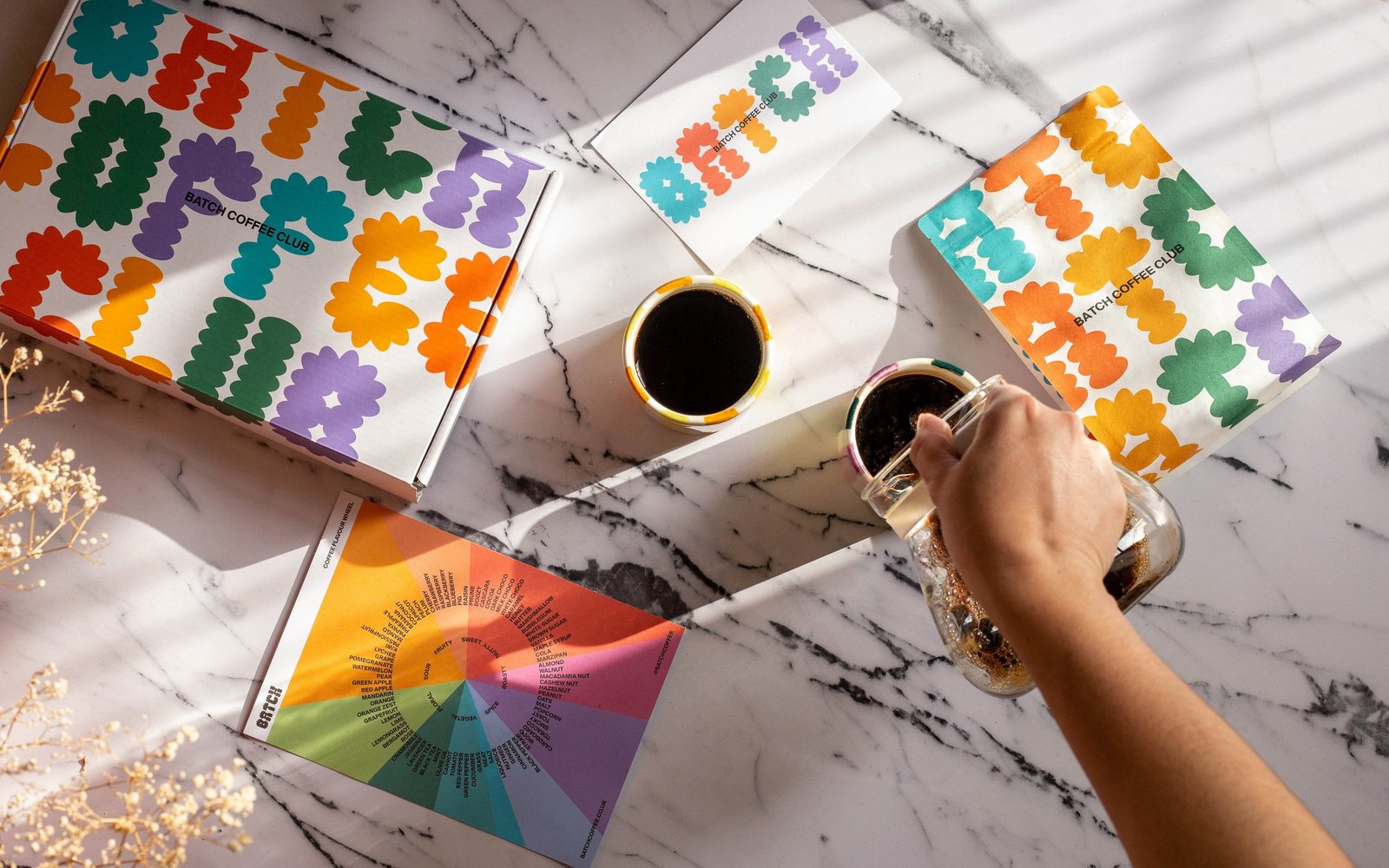
Free Batch Coffee Flavour Wheel
Medium Roast Coffee
Medium roasts usually result from roasting temperature ranges between 210 – 220°C (410 – 428°F), which is usually the range before the ‘second crack’ occurs.
Medium roasts are not roasted beyond this ‘second crack’.
Medium roasts have more body and less acidity and caffeine than light roasts, and are typically characterised with a balanced flavor profile.
Medium-Dark Roast Coffee
Medium-Dark roasts usually result from roasting temperature ranges between 225 – 230°C (437 – 445°F), which is beyond the time when the ‘second crack’ occurs.
At this roast level, you start to see significant amounts of oils being released to the bean’s surface.
Organic acids start to burn at these temperatures, and more bitter and sweet flavours start becoming more dominant.
Dark roasts usually result from roasting temperature ranges between 240 – 250°C (465 – 482°F).
Temperatures of 250 °C are rarely reached or exceeded; otherwise you will get a coffee with predominant charcoal like flavours.
Dark roasts have no acidity, and have bitter, smoky and sweet flavours. Dark roasts have less caffeine than lesser roast levels.
How Do Different Coffee Roasts Taste?
Usually darker roasts have more sweetness.
But an important factor of sweetness is green bean selection (i.e. high quality green beans).
If the green bean has no sugar to begin with, or has high acidity, it will be hard to extract the sweetness via roasting.
At the end of the drying phase, at around 150 °C the Maillard reaction takes place.
Melanoidins are produced which influence the flavour of the coffee.
Coffee beans that spend little time in the Maillard reaction phase tend to have more sweet notes (and acid tones which get ‘burnt’ at higher roasting levels.
At higher temperatures, caramelization occurs, which also impacts the sweetness level of your coffee.
So yes, darker roasting levels tend to have sweeter tones, but other factors other than roasting level influence the sweetness!
So you could have a medium roast that is sweeter than a medium-dark roast, given above factors.
Take a look at this graph from Ikawa highlighting how the different flavours and characteristics in coffee change throughout the roast.
How Do You Choose the Right Roast for Different Brewing Methods?
Choosing the appropriate roast level isn’t just about personal taste – it’s also about matching the roast to your brewing method.
Different extraction methods work better with certain roast levels due to how they extract flavour compounds from the beans.
Pour-over and filter methods typically work best with light to medium roasts, as these methods can highlight the subtle, complex flavours that lighter roasts preserve.
The slower extraction process allows for the development of delicate floral notes and bright acidity that these roasts are known for.
Espresso and stovetop methods generally pair better with medium to darker roasts. The high-pressure, rapid extraction of espresso can accentuate acidity, sometimes unpleasantly, in light roasts.
Darker roasts, with their oils more readily available on the surface, produce better crema and a more balanced espresso shot. The longer caramelisation process in darker roasts also helps develop flavours that can cut through milk in drinks like lattes and cappuccinos.
Find out which of the coffees we have tasted this made it on the Best Espresso Beans UK.
How Do You Roast Coffee?
Roasting coffee is the process of heating coffee green beans up at a certain level so you will end up with an evenly roasted batch of coffee that highlights the best characteristics of the coffee.
Now, the traditional way of roasting coffee is to stir the green coffee around a large skillet pan over a fire.
The thing is with this technique it’s impossible to control the many variables that are present when you roast coffee like heat, airflow and agitation.
You will almost certainly end up with some coffee scoured and burnt while others are baked.
This will result in a flat tasting coffee.
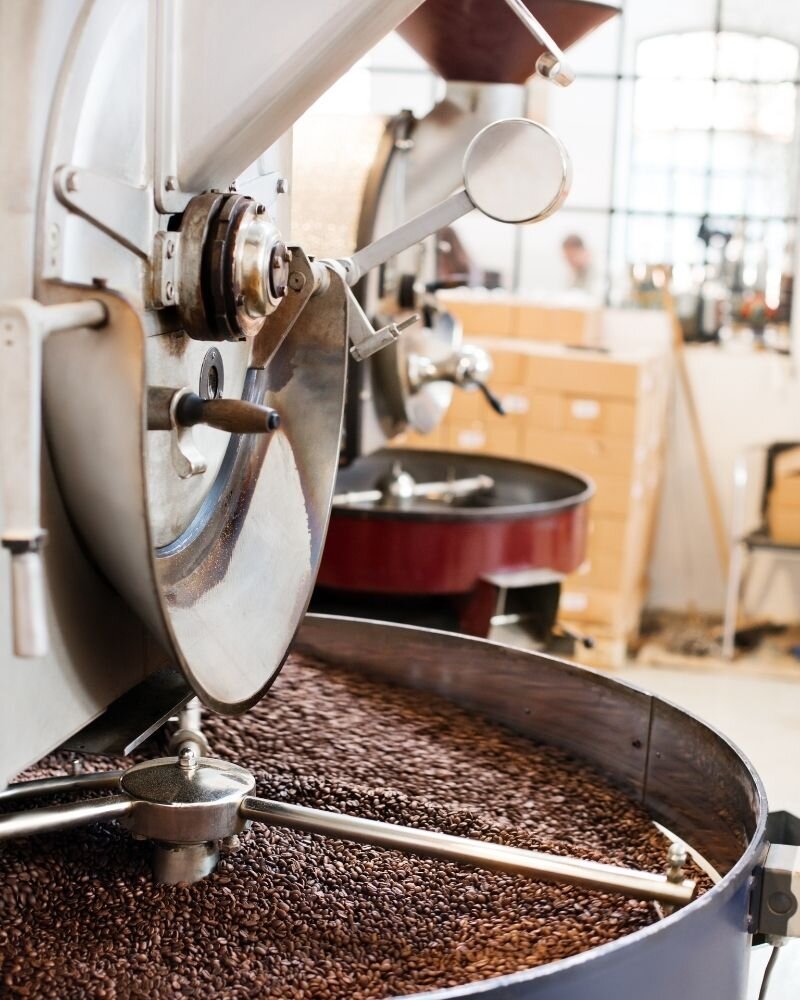
Today coffee roasting is performed in a coffee roaster where each variable can be controlled in varying degrees depending on the machine.
This enables coffee roasters to highlight what they deem a characteristic in coffee by creating a recipe for the roast.
Take a look at this typical roast curve by one of the leading coffee roasting gurus Scott Rao where the ROR is the rate of rise and the bean temp curve is the predicted temperature of the beans (this is taken from a probe inside the coffee roaster).
By altering variables such as the temperature of the roaster, the airflow and the drum speed the graph can be manipulated to draw out various attributes of coffee.
List of Different Roast Profiles:
Light City
Half City
Light City
Cinamon
New England
White Coffee
American
Regular
City
Breakfast
Full City After Dinner High
Continental
European
Espresso
Spanish
Vienna
French
Italian
What Type of Coffee Roast Has The Most Caffeine?
According to Sprudge one of the worlds most popular coffee publications, caffeine is very stable through the roasting process.
If you were to roast a coffee way past dark roast then you may encounter a difference but that would be basically turning the coffee into charcoal.
That said there comes a difference in caffeine when you step aside from examining individual beans and look at the differences in caffeine levels when the coffees are ground.
As coffee is roasted it looses mass, so darker roasted coffee is lighter than lighter roasts therefore there is more ‘coffee’ packed into darker roast brews than lighter.
Sprudge use the analogy of there is more sugar in a kilo of raisins than a kilo of grapes.
So there is in fact more caffeine in a bag of darker roasted coffee but not for the reasons you would think.
Which Coffee Roast is The Strongest?
This is a question that I used to get asked often when I used to roast coffee. People would come in to buy a bag of coffee and ask for the strongest roast.
I think many people liken strength in coffee to strength in alcohol where strength not only refers to taste but also level of alcohol.
As discussed above there is not much difference in caffeine content in coffee when it comes to roasts, so in-fact strength in coffee refers to flavours, where strong flavours are roasty and dark.
What is The Healthiest Coffee Roast?
According to the Coffee Universe, the biggest difference in light to dark roasts is the levels of chlorogenic acid and antioxidant qualities.
Studies show that there is a higher content of chlorogenic acid in lighter roasted coffee.
Therefore the lighter roast seem to offer higher antioxidant properties, making them better for the drinker.
The study also found that light roast was better for protecting against inflammation and cell damage compared to its dark roast counterpart.
What Roast of Coffee is The Smoothest?
When it comes to cup profile, smoothness is often a buzzword that people look out for.
A smooth coffee has body but doesn’t have any sharp or bitter notes.
It is balanced, well rounded and usually has enough depth to carry through a milk based coffee.
The smoothest roast profile is a medium roast.
Neither light and acidic or dark and bitter, a medium roast coffee is usually the choice of most smooth coffee lovers.
Which coffee roast is bitter?
The most bitter tasting coffee roast is a dark roast coffee.
As the roast extends past the second crack, the heat starts to turn the balanced flavour compounds into bitter tasting carbon (think about the taste of burnt toast).
You may also come across bitter tasting light or medium roast coffee beans, this may be down to the qualities of the green coffee or the processing method.
Which coffee roast is sweeter?
Generally sweeter tasting roasts are medium roasts.
This is because they are somewhere in the middle of dark roasted bitter tasting coffee and light roasted acidic coffee and have managed to create a sweet balance.
You may find flavours such as stone fruits or milk chocolate in medium roast coffee.
3 Comments
You are doing great here about roasting description and i also believe arabica bean can give better roasting experience as well.
You are doing great here about roasting description and i also believe arabica bean can give better roasting experience as well.
You are doing great here about roasting description and i also believe arabica bean can give better roasting experience as well.
Comments are closed.
Quick Enquiry
We’ll get back to you right away.
Tom’s Secret Code Club
I have negotiated discount codes with some of our partners. However they cannot be published online.
Share your details and I’ll send you the password to unlock the secret code page.
COFFEEQUIZ25 will give you 25% off your first box 😊
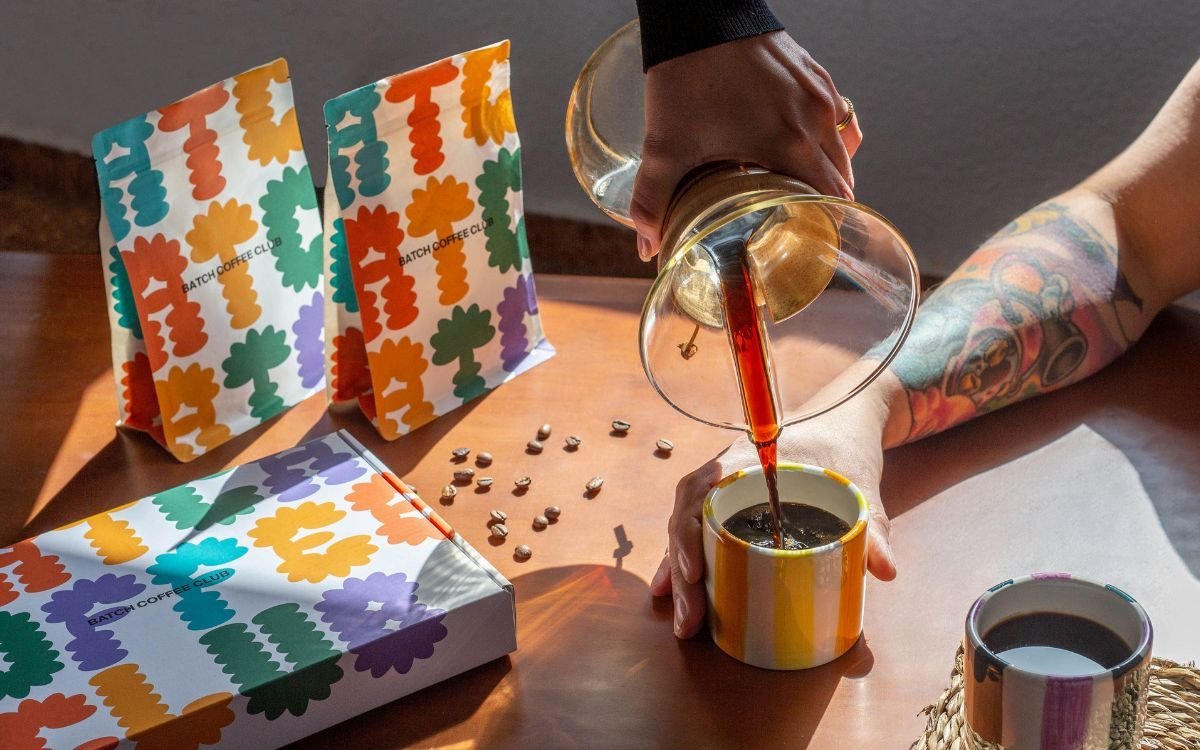
Discover the UK’s finest speciality coffees, curated by us – the coffee professionals. Each delivery is completely different so you sample two new coffees, roasters and flavours in every box.
Ethically sourced, world-class coffee in compostable packaging – it doesn’t get better than this!
3 BOX PACKAGE – £19.50 per box
6 BOX PACKAGE – £17.99 per box – (Most Popular)
12 BOX PACKAGE – £17.50 per box – (Best Value)
Each coffee subscription box contains 2 x 200g bags of world-class speciality coffee, carefully curated to showcase exceptional quality and flavour profiles.
Our coffee club features 2 different independent coffee roasters in each box.
Your first coffee subscription delivery includes a free flavour wheel and brew guide, providing essential tools to enhance your coffee club journey.
All coffee featured in our coffee subscription is ethically sourced and Fairtrade certified, supporting sustainable farming practices and fair compensation for growers worldwide.
Our coffee club uses completely compostable packaging, making your coffee club experience environmentally responsible whilst protecting the freshness and quality of your speciality coffee beans.
We Dispatch Every 2 Weeks. The next dispatch is highlighted in the purple announcement bar above.
If you can’t wait that long drop us an email via our contact form below and we’ll send you some coffee asap. You can find all past and future dispatch dates here
Which postal companies do you use for shipping? We use Royal Mail and occasionally other courier services such as DPD, Evri or UPS.
How much coffee is in a BATCH box? Each Batch box contains 2 bags of speciality coffee.
How much coffee is in each bag? Each bag of coffee contains 200g of coffee. You will receive 2 bags with each box so you can taste and compare between the two.
How is the coffee packaged? We are plastic-free. Our bags and boxes are fully made out of organic material and re both fully compostable.Learn more about our Coffee Packaging.
Is your coffee organic fair trade? All of the coffee that we use in our subscription boxes is fair trade (as every product should be). While some of the coffee that we use may not always be “certified” organic, we have seen first-hand many farms are in fact organic but cannot afford to pay for the certification.
Do you provide information about the farms and producers Yes! Each coffee subscription box includes detailed information about the coffee farms, the producers, and the regions where your coffee was grown. We believe in transparency and want you to know the story behind every cup you brew.
What happens if I don’t like one of the coffees in my box? We understand that taste preferences vary! If you’re not satisfied with a particular coffee, please get in touch with our customer service team via our contact page.
COFFEEQUIZ25 will give you 25% off your first box 😊
Discover the UK’s finest speciality decaf coffees, curated by us – the coffee professionals. Each delivery is completely different so you sample two new decaf coffees, roasters and flavours in every box.
Ethically sourced, world-class decaf in compostable packaging – it doesn’t get better than this!
Each coffee subscription box contains 2 x 200g bags of world-class speciality coffee, carefully curated to showcase exceptional quality and flavour profiles.
Our coffee club features 2 different independent coffee roasters in each box.
Your first coffee subscription delivery includes a free flavour wheel and brew guide, providing essential tools to enhance your coffee club journey.
All coffee featured in our coffee subscription is ethically sourced and Fairtrade certified, supporting sustainable farming practices and fair compensation for growers worldwide.
Our coffee club uses completely compostable packaging, making your coffee club experience environmentally responsible whilst protecting the freshness and quality of your speciality coffee beans.
We Dispatch Every 2 Weeks. The next dispatch is highlighted in the purple announcement bar above.
If you can’t wait that long drop us an email via our contact form below and we’ll send you some coffee asap. You can find all past and future dispatch dates here
Which postal companies do you use for shipping? We use Royal Mail and occasionally other courier services such as DPD, Evri or UPS.
How much coffee is in a BATCH box? Each Batch box contains 2 bags of speciality coffee.
How much coffee is in each bag? Each bag of coffee contains 200g of coffee. You will receive 2 bags with each box so you can taste and compare between the two.
How is the coffee packaged? We are plastic-free. Our bags and boxes are fully made out of organic material and re both fully compostable.Learn more about our Coffee Packaging.
Is your coffee organic fair trade? All of the coffee that we use in our subscription boxes is fair trade (as every product should be). While some of the coffee that we use may not always be “certified” organic, we have seen first-hand many farms are in fact organic but cannot afford to pay for the certification.
Do you provide information about the farms and producers Yes! Each coffee subscription box includes detailed information about the coffee farms, the producers, and the regions where your coffee was grown. We believe in transparency and want you to know the story behind every cup you brew.
What happens if I don’t like one of the coffees in my box? We understand that taste preferences vary! If you’re not satisfied with a particular coffee, please get in touch with our customer service team via our contact page.
COFFEEQUIZ25 will give you 25% off your first box 😊
Discover the UK’s finest speciality coffees, curated by us – the coffee professionals. Each delivery is completely different so you sample two new coffees, roasters and flavours in every box.
Ethically sourced, world-class coffee in compostable packaging – it doesn’t get better than this!
3 BOX PACKAGE – £19.50 per box
6 BOX PACKAGE – £17.99 per box – (Most Popular)
12 BOX PACKAGE – £17.50 per box – (Best Value)
Each coffee subscription box contains 2 x 200g bags of world-class speciality coffee, carefully curated to showcase exceptional quality and flavour profiles.
Our coffee club features 2 different independent coffee roasters in each box.
Your first coffee subscription delivery includes a free flavour wheel and brew guide, providing essential tools to enhance your coffee club journey.
All coffee featured in our coffee subscription is ethically sourced and Fairtrade certified, supporting sustainable farming practices and fair compensation for growers worldwide.
Our coffee club uses completely compostable packaging, making your coffee club experience environmentally responsible whilst protecting the freshness and quality of your speciality coffee beans.
We Dispatch Every 2 Weeks. The next dispatch is highlighted in the purple announcement bar above.
If you can’t wait that long drop us an email via our contact form below and we’ll send you some coffee asap. You can find all past and future dispatch dates here
Which postal companies do you use for shipping? We use Royal Mail and occasionally other courier services such as DPD, Evri or UPS.
How much coffee is in a BATCH box? Each Batch box contains 2 bags of speciality coffee.
How much coffee is in each bag? Each bag of coffee contains 200g of coffee. You will receive 2 bags with each box so you can taste and compare between the two.
How is the coffee packaged? We are plastic-free. Our bags and boxes are fully made out of organic material and re both fully compostable.Learn more about our Coffee Packaging.
Is your coffee organic fair trade? All of the coffee that we use in our subscription boxes is fair trade (as every product should be). While some of the coffee that we use may not always be “certified” organic, we have seen first-hand many farms are in fact organic but cannot afford to pay for the certification.
Do you provide information about the farms and producers Yes! Each coffee subscription box includes detailed information about the coffee farms, the producers, and the regions where your coffee was grown. We believe in transparency and want you to know the story behind every cup you brew.
What happens if I don’t like one of the coffees in my box? We understand that taste preferences vary! If you’re not satisfied with a particular coffee, please get in touch with our customer service team via our contact page.
The Batch seasonal espresso blend is a great choice for home baristas seeking consistently and expertly roasted coffee beans.
These beans produce a well-balanced, full-bodied espresso that shines whether enjoyed black as an espresso or Americano, or when cutting through milk-based drinks with distinctive character.
Each coffee subscription box contains 2 x 200g bags of world-class speciality coffee, carefully curated to showcase exceptional quality and flavour profiles.
Our coffee club features 2 different independent coffee roasters in each box.
Your first coffee subscription delivery includes a free flavour wheel and brew guide, providing essential tools to enhance your coffee club journey.
All coffee featured in our coffee subscription is ethically sourced and Fairtrade certified, supporting sustainable farming practices and fair compensation for growers worldwide.
Our coffee club uses completely compostable packaging, making your coffee club experience environmentally responsible whilst protecting the freshness and quality of your speciality coffee beans.
We Dispatch Every 2 Weeks. The next dispatch is highlighted in the purple announcement bar above.
If you can’t wait that long drop us an email via our contact form below and we’ll send you some coffee asap. You can find all past and future dispatch dates here
Which postal companies do you use for shipping? We use Royal Mail and occasionally other courier services such as DPD, Evri or UPS.
How much coffee is in a BATCH box? Each Batch box contains 2 bags of speciality coffee.
How much coffee is in each bag? Each bag of coffee contains 200g of coffee. You will receive 2 bags with each box so you can taste and compare between the two.
How is the coffee packaged? We are plastic-free. Our bags and boxes are fully made out of organic material and re both fully compostable.Learn more about our Coffee Packaging.
Is your coffee organic fair trade? All of the coffee that we use in our subscription boxes is fair trade (as every product should be). While some of the coffee that we use may not always be “certified” organic, we have seen first-hand many farms are in fact organic but cannot afford to pay for the certification.
Do you provide information about the farms and producers Yes! Each coffee subscription box includes detailed information about the coffee farms, the producers, and the regions where your coffee was grown. We believe in transparency and want you to know the story behind every cup you brew.
What happens if I don’t like one of the coffees in my box? We understand that taste preferences vary! If you’re not satisfied with a particular coffee, please get in touch with our customer service team via our contact page.
Manage Consent
To provide the best experiences, we use technologies like cookies to store and/or access device information.
Functional
Always active
The technical storage or access is strictly necessary for the legitimate purpose of enabling the use of a specific service explicitly requested by the subscriber or user, or for the sole purpose of carrying out the transmission of a communication over an electronic communications network.
Preferences
The technical storage or access is necessary for the legitimate purpose of storing preferences that are not requested by the subscriber or user.
Statistics
The technical storage or access that is used exclusively for statistical purposes.The technical storage or access that is used exclusively for anonymous statistical purposes. Without a subpoena, voluntary compliance on the part of your Internet Service Provider, or additional records from a third party, information stored or retrieved for this purpose alone cannot usually be used to identify you.
Marketing
The technical storage or access is required to create user profiles to send advertising, or to track the user on a website or across several websites for similar marketing purposes.








You are doing great here about roasting description and i also believe arabica bean can give better roasting experience as well.
You are doing great here about roasting description and i also believe arabica bean can give better roasting experience as well.
You are doing great here about roasting description and i also believe arabica bean can give better roasting experience as well.