

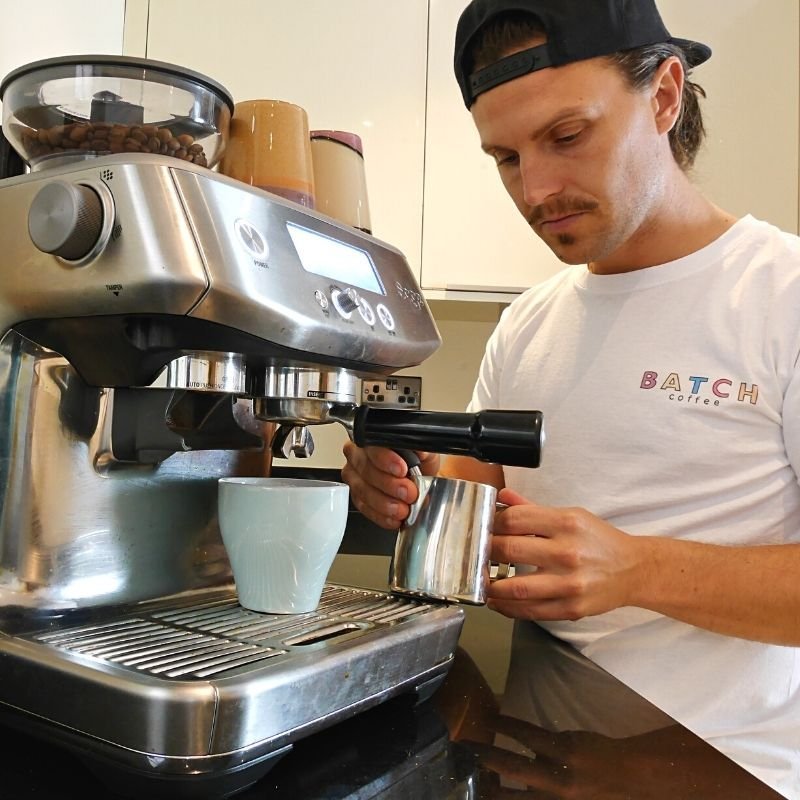
If you’ve been eyeing up a Sage coffee machine, you’ve probably already winced at the price tag and wondered whether it’s actually worth the investment.
The short answer? For most home coffee enthusiasts, yes. But let me explain why, because there’s a fair bit more to it than just “they make bloody good coffee.”
What Actually Makes Sage Coffee Machines Different?
Sage (known as Breville outside the UK) took a look at what frustrated home baristas and actually did something about it. Rather than just shrinking down commercial machines or producing glorified pod systems, they engineered appliances specifically for domestic use that don’t compromise on the fundamentals.
The difference starts with their approach to temperature control. Most budget machines fluctuate wildly, but Sage’s digital temperature control (PID) keeps things stable within a degree or two. This matters more than you’d think when extracting espresso. They’ve also incorporated features like pre-infusion, which gradually saturates your coffee grounds before full pressure kicks in, resulting in more even extraction and better-tasting shots.
What really sets them apart is how they’ve made traditionally complex processes accessible. Take the Sage espresso machines range, for instance. They’ve managed to include professional-grade features whilst keeping the learning curve manageable for someone making their first proper espresso at home.
WHEN YOU’RE READY TO BUY
SAVE SOME cash Here.
I’ve negotiated exclusive discount codes for all Sage Coffee Machines.
However I’m not allowed to display the codes directly online.
So add your name and email and I’ll send you a password to unlock our secret discount code page.
The Build Quality Question: Do They Last?
Let’s be honest, these aren’t commercial machines built to pump out hundreds of shots daily. But for home use? They’re solidly constructed. The stainless steel bodies aren’t just for show; they handle the daily grind (pun intended) without developing the plasticky rattle that cheaper machines get after a few months.
That said, longevity depends largely on maintenance. Descale regularly, clean the group head, and purge the steam wand after every use, and you’re looking at years of reliable service. Neglect these basics, and you’ll be nursing a temperamental machine within eighteen months. According to research from the Specialty Coffee Association, proper maintenance can extend the life of home espresso equipment by up to 50%.
The Sage Range (and Their Price Points)
Sage offers machines at various price points, which can be both helpful and overwhelming. At the entry level, you’ve got the Bambino series starting around £300. These are compact, quick to heat up, and perfect for flat dwellers with limited worktop space. Moving up, the Barista Express and Barista Pro (around £500-700) include built-in grinders, which is where things get interesting for serious home brewing.
The top end features the Oracle range, pushing towards £2,000. These machines automate the trickiest parts like tamping and milk texturing whilst still giving you control over the important variables. It’s worth checking out our guide on choosing the best Sage coffee machine to understand which model actually suits your needs rather than just your budget.
Ease of Use vs Barista Control: Finding the Balance
This is where Sage absolutely nails it. They haven’t dumbed things down or made everything automatic (though the Oracle does lean that way). Instead, they’ve made the variables you need to control accessible and understandable. Grind size, dose, temperature, and pressure are all adjustable, but you’re not wrestling with cryptic menus or needing an engineering degree to make changes.
The LCD displays actually tell you what’s happening during extraction, which is brilliant for learning. When I started with a Sage machine, being able to see the pressure gauge helped me understand why my shots were either gushing through or barely dripping, and how to fix it by adjusting the grind.
The Coffee Quality Reality Check
Here’s the thing: a Sage machine won’t automatically make you coffee as good as your local speciality café. But it absolutely can, given decent beans and a bit of practice. The potential is there. The machines are capable of proper espresso extraction with the right pressure, temperature, and timing. Pair it with quality coffee grinders and fresh beans, and you’re genuinely in business.
The built-in grinders on models like the Barista Pro are surprisingly good. They’re not professional-grade separate grinders, but they’re more than adequate for most home baristas. If you’re serious about coffee quality, understanding the relationship between espresso machines and grinders is crucial.
Value for Money: What You’re Actually Paying For
When you buy a Sage machine, you’re paying for proper engineering, not just marketing. The dual boilers in higher-end models mean you can pull shots and steam milk simultaneously. The three-second heat-up time isn’t an exaggeration. The pressure gauges are actually accurate.
Compare this to buying a cheap coffee machine for under £200, and you’ll likely end up frustrated and upgrading within a year anyway. Or compare it to spending £500 annually at coffee shops, and suddenly a £700 machine pays for itself in less than eighteen months. The maths makes sense if you’re genuinely committed to making coffee at home regularly.
The Drawbacks Nobody Mentions
Right, let’s talk about what’s less than brilliant. First, these machines are noisy. The grinder especially sounds like it’s auditioning for a building site. If you’re making coffee at 6am whilst your partner’s still asleep, you’ll not be popular.
Secondly, counter space. Even the compact models need a permanent spot, and you’ll want easy access to the water tank and bean hopper. They’re not machines you’ll happily haul in and out of a cupboard.
Cleaning is also more involved than a French press or filter machine. Daily purging and wiping, weekly backflushing, monthly descaling; it’s not difficult, but it is time. According to testing by Which?, regular cleaning routines are essential for maintaining consistent coffee quality and machine longevity.
Who Should (and Shouldn’t) Buy a Sage Machine
Sage machines are ideal if you’re genuinely interested in the craft of making espresso, enjoy understanding how things work, and drink enough coffee to justify the investment. They’re brilliant for people who want café-quality coffee at home but don’t have the space, budget, or inclination for commercial equipment.
They’re not ideal if you want completely foolproof, one-button convenience (get a super-automatic bean to cup machine instead), if you only drink one coffee weekly, or if you’re not prepared to learn a bit and potentially waste some shots whilst you’re getting the hang of it.
How Sage Compares to Other Brands at Similar Price Points
In the £500-800 bracket, Sage’s main competition comes from De’Longhi’s Dedica and some entry-level Gaggia models. The Sage machines generally offer better build quality and more intuitive controls. At the higher end, you’re looking at brands like Rancilio, but you’re then paying considerably more for similar functionality.
What Sage does brilliantly is offer features that would normally require spending £1,500+ for around half that price. They’ve democratised home espresso in a way that’s genuinely impressive.
The Honest Verdict: Are They Worth Your Money?
For most home coffee enthusiasts, absolutely yes. Sage machines represent the sweet spot between quality, control, and usability. They’re not perfect; they’re noisy, need regular maintenance, and won’t turn you into an instant barista. But they give you the tools to make genuinely excellent coffee at home once you’ve learnt the basics.
If you’re drinking a couple of lattes daily and currently spending £6-8 at coffee shops, a Sage machine makes financial sense within months. Beyond the economics, there’s something properly satisfying about pulling a perfect shot at home, especially on a lazy Sunday morning when venturing out feels like far too much effort.
The key is being realistic about what you’re getting into. These aren’t appliances you’ll master in a weekend, but they’re absolutely worth the learning curve. Start with understanding espresso fundamentals, invest in decent beans, and be patient with yourself. The coffee you’ll eventually produce is genuinely worth it.

