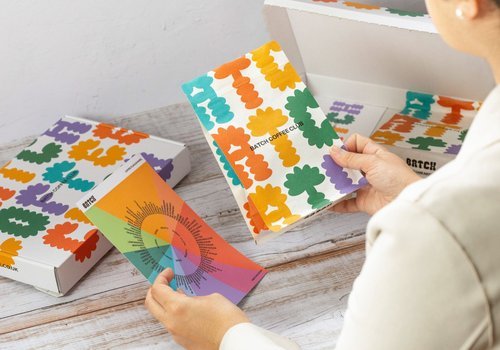
How To Use a Cafetière: Pro Tips
You can’t go wrong with a Cafetiere.
A couple of little tweaks and you can take your morning plunge to the next level.
The classic cafetiere uses a mesh filter to brew a full bodied coffee and is a staple kitchen appliance for the vast majority of home coffee drinkers.
While new coffee shops now use Cafetiere on their filter menu. Checkout the main differences between filter and cafetière coffee. Going by various other names depending on the area of the world you find yourself in the cafetiere, plunger or French press has a mysterious history.
The device was supposedly invented in France in the mid 19th Century but then didn’t get patented until nearly one hundred years later.
A few tweaks and modifications later, the cafetiere is one of the most widely used and best coffee filter machines in the world.
My first experience using a cafetiere was long before I discovered speciality coffee and very little thought went into the brewing recipe other than lob a couple of spoonfuls of pre-ground coffee in, fill with water, wait a couple of minutes and plunge.
With most commercial coffee over roasted and bitter tasting it probably didn’t really matter how I made it anyway. However after now trying to get as much out of each speciality coffee as I can, I have designed a recipe that produces a delicious cup of coffee.
So, here’s how to make coffee in a cafetiere;
How To Make a Cafetière
Just so you know. When you buy via the links on our blogs, we may earn an affiliate commission at no cost to you. Learn More
What you need
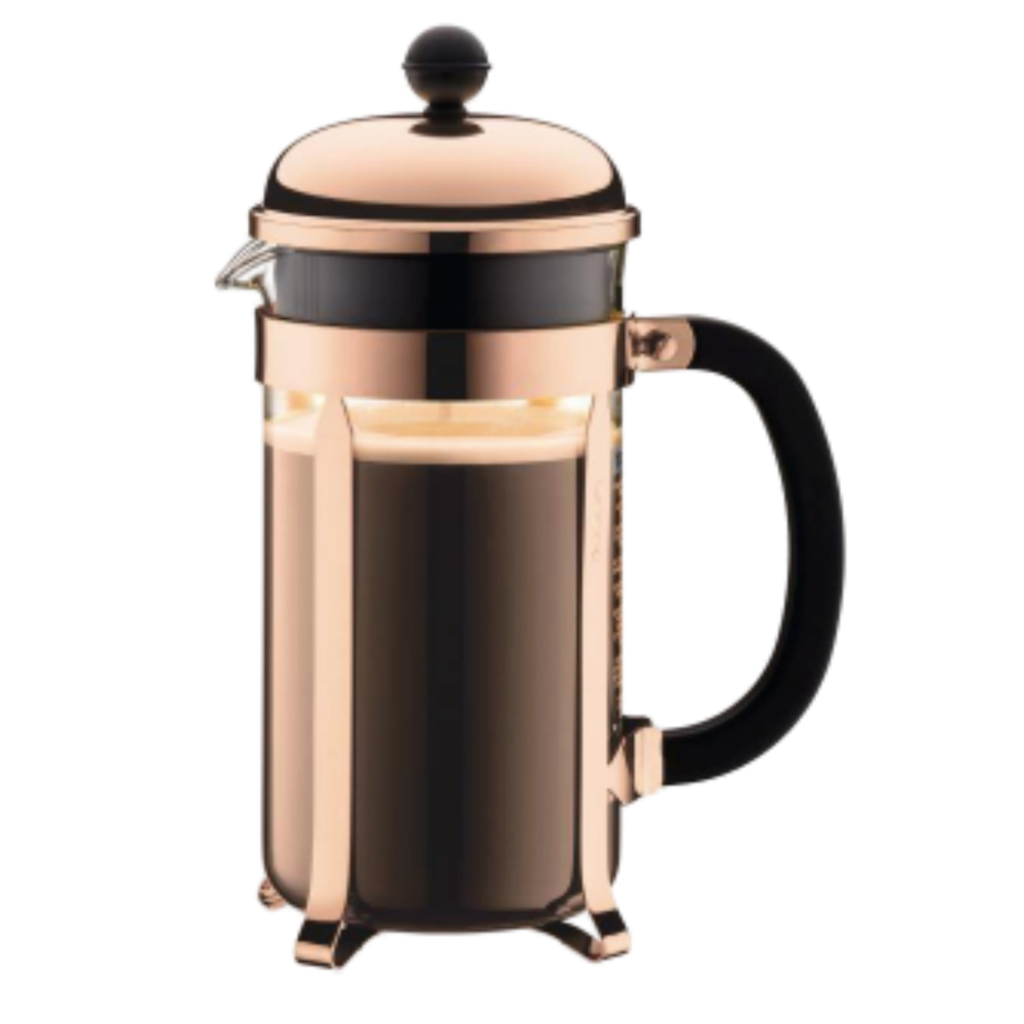
Cafetiere
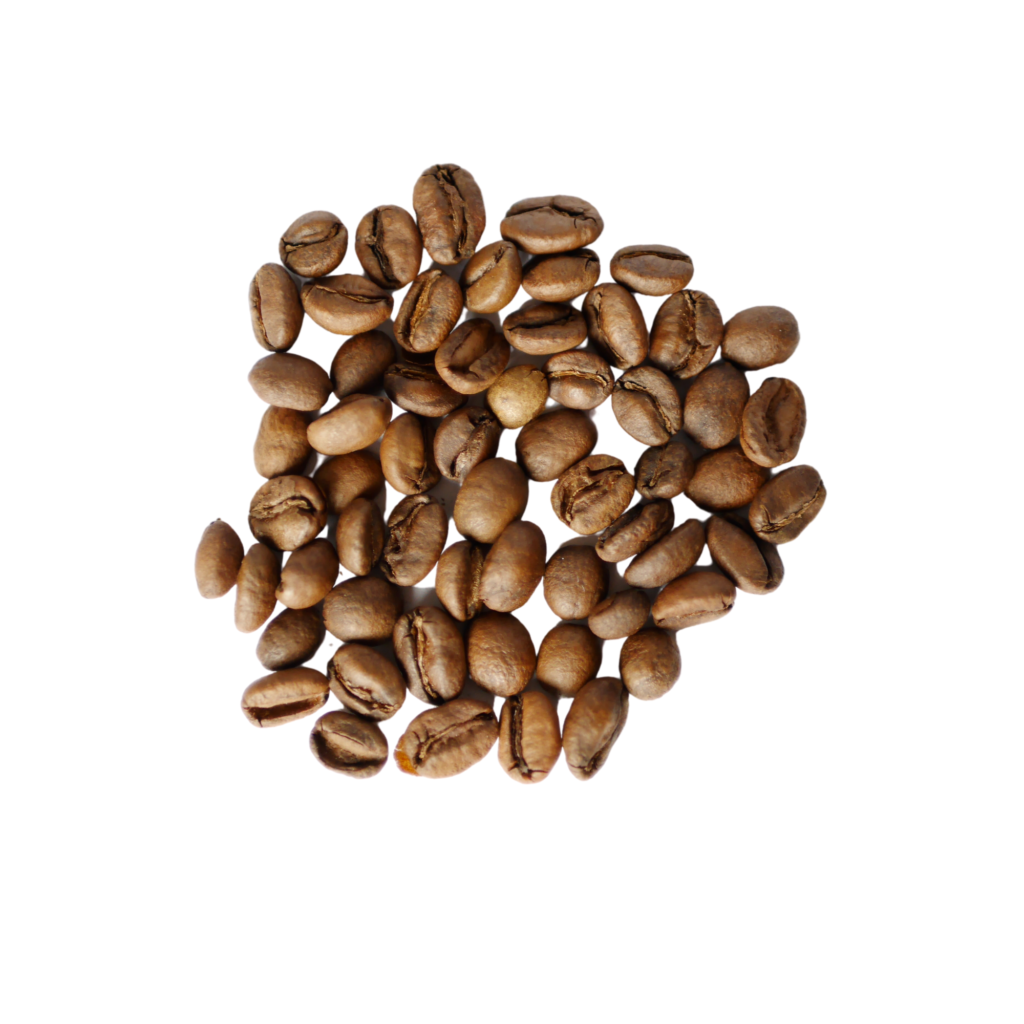
Batch Coffee (50g)
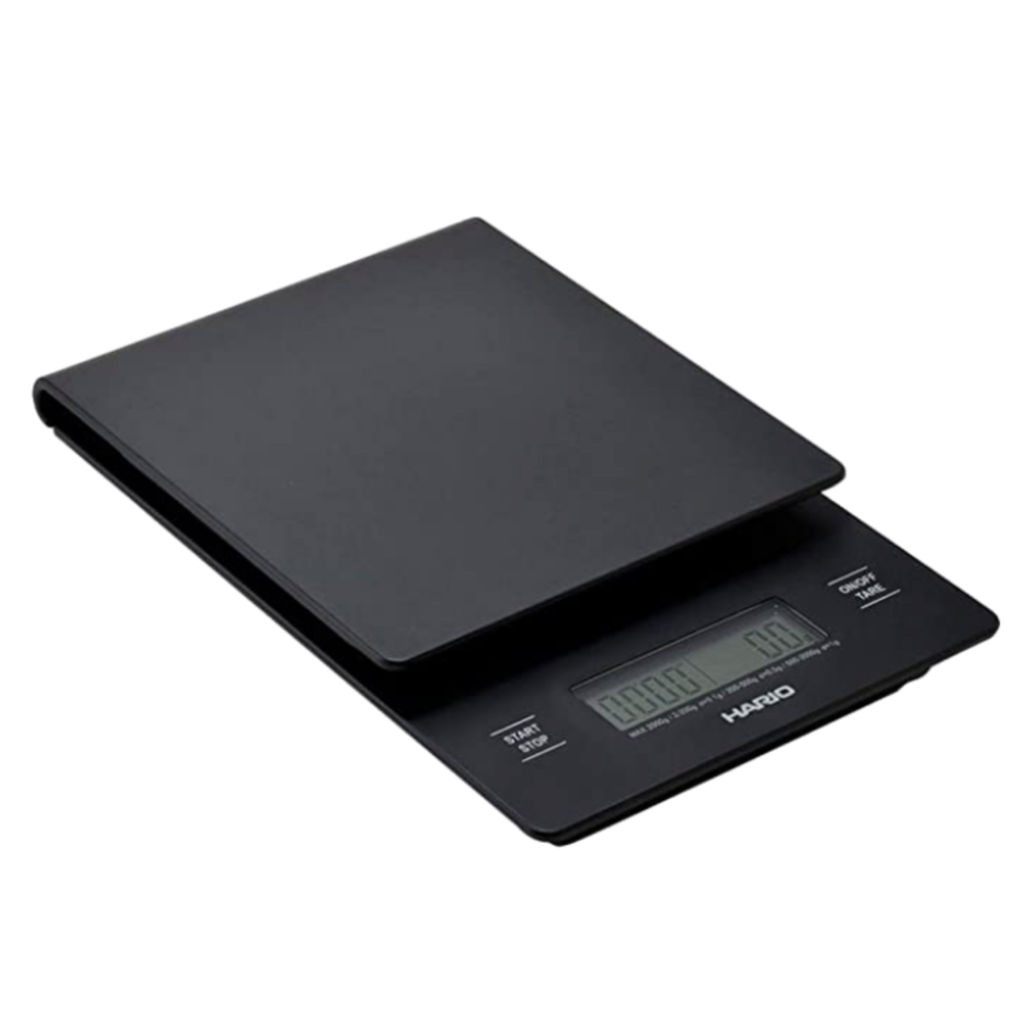
Coffee scales
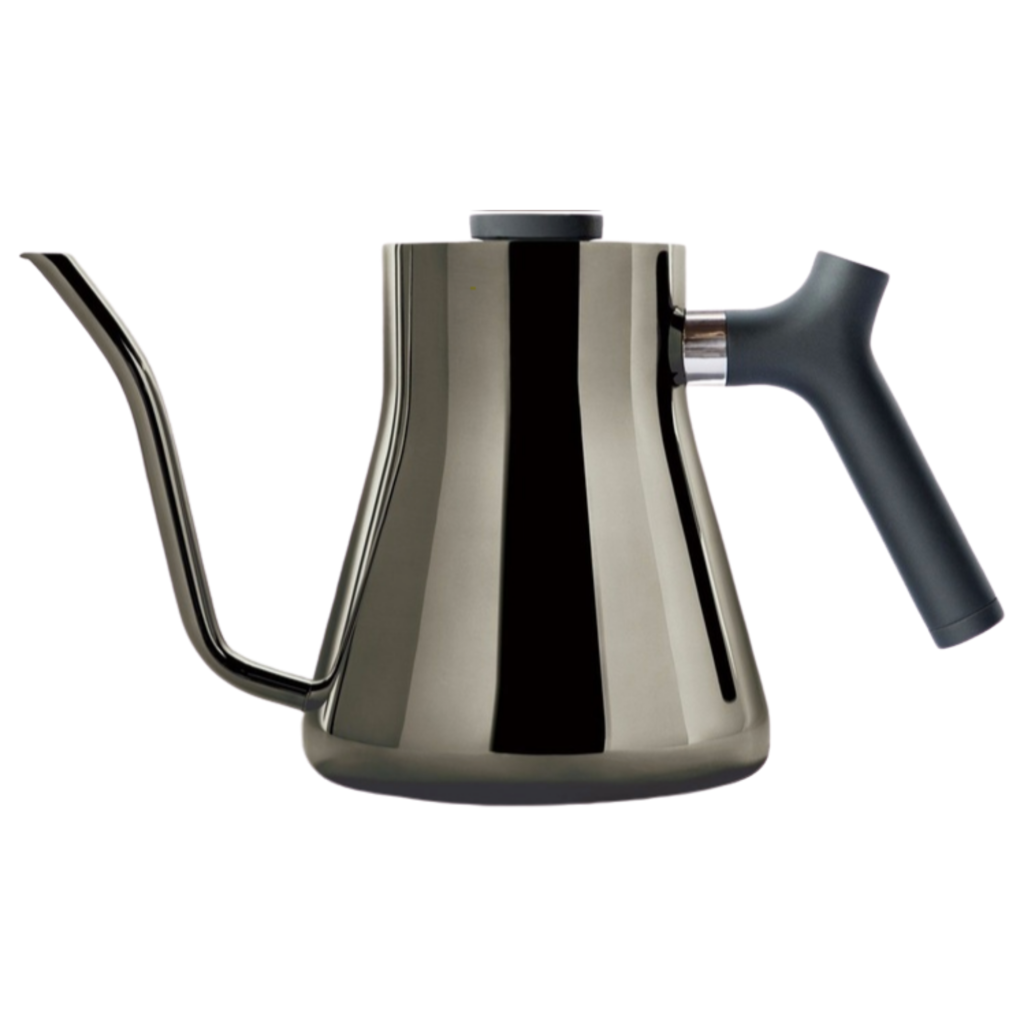
Water (750g)
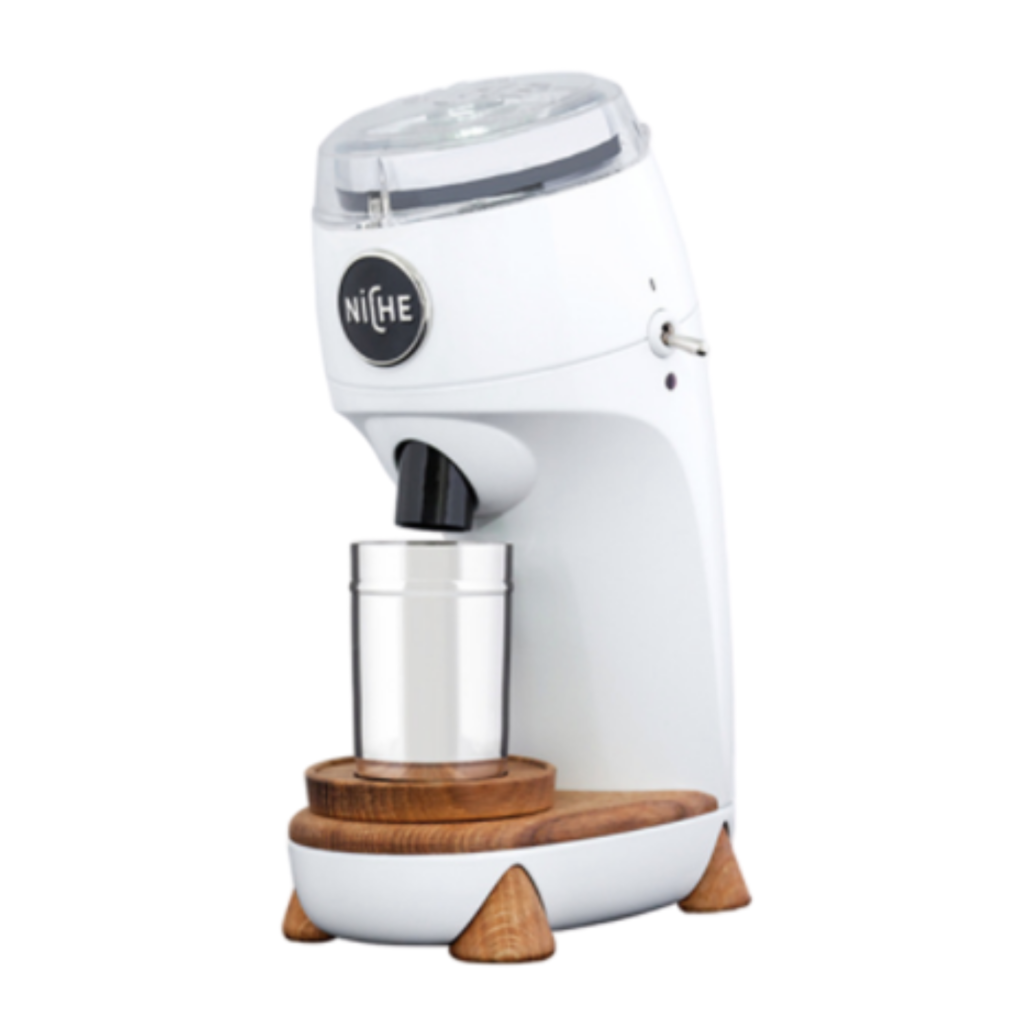
Coffee grinder
Method
1. Preheat the French Press
Preheat your French press with hot water. This is a great habit to get into, the temperature of your coffee filter method is very important when making a great cup of coffee.
If the brewing water hits a cold French press the overall brew temperature will decrease resulting in an under-extracted coffee.
Keep the hot water inside the cafetiere for a minute or two, depending on whether you have a glass or stainless steel French press it may take a little longer to heat the jug.
2. Grind the coffee
Grind up those lovely beans and enjoy the wonderful aromas of freshly ground coffee.
Because a cafetière is an immersion brew method, which means the coffee is completely submerged in water and stays in contact until it is poured into a cup, you are aiming for a fairly coarse grind.
This is because the larger the surface area of the coffee the longer it takes to extract its flavours and because using a french press has a mesh filter finer grinds can slip through.
Usually on most grinders, especially burr grinders this means one of the higher numbers. If you use a blade grinder grind for less time than you usually would.
3. Fill the kettle
Fill the kettle to 750ml of boiling water. If you have a thermometer you’re aiming for around 90°C-95°C. If you don’t have a thermometer, boil the kettle and wait for 30 seconds.
Tip: If you’re using a pouring kettle like the gooseneck one pictured make sure you also preheat this before pouring in the water you’re going to use to make the coffee.
4. Add coffee to the cafetiere
Empty the hot water out of the cafetière and tip in your chosen delicious coffee. The ratio that we have in our guide is 50g of coffee to 750g of water (1g=1ml of water).
This can be altered depending on how large your French press is and how many people you are making the coffee for. This particular French press has a 1-litre carafe and I usually find it makes 3-4 cups of coffee (they advertise 1L French presses as 8 cups but unless you’re only after an extremely small serving I would half that number).
Adjust the weight of coffee and water to how much you want to yield as long as the coffee to water ratio is 1:15. This is slightly stronger and a lower coffee to water ratio than other brew methods because the mesh filter doesn’t stop the oils of the coffee from getting into your cup, and that extra bit of strength helps the flavours cut through those oils.
Tip: If you don’t have scales fear not. 50g is around 3 tablespoons. 750ml of water added to the coffee is about 2cm from the top.
5. Bloom the coffee
Tare the scales to zero and start the timer. Start adding the water slowly onto the ground coffee trying to wet all of the coffee but not submerge it all fully in water, you’re aiming for a slushy-like consistency (as in freshly served slushy).
Add around 100ml, give the carafe a gentle swirl to make sure that all the coffee is soaking. This is called blooming the coffee, it’s another important step in creating an unbeatable brew.
It helps the coffee release various gasses like carbon dioxide and allows for the rest of the water to penetrate the coffee and extract all of those complex and delicate flavour profiles. You will see the grounds bubbling and expanding getting ready for the next step. Let the coffee bloom for 45 seconds.
Tip: This is a great moment to get your nose in there and start to guess what flavour notes are going to be in the cup.
6.Brew the coffee
Add the rest of the water to the French press so the scales read 750g.
With a spoon carefully stir the brew right at the top of the French press. This is so all of the coffee is submerged in the carafe as sometimes coffee collects at the top.
Make sure you don’t agitate the coffee too much as this may lead to over-extraction and bitter flavour notes. When we brew coffee there are many variables, some we can control like ratios and water temperature but others are harder to control like agitation.
If we remove certain parameters like agitation until the end when most of the flavour has been extracted then we create a more consistent brew.
7. Gently stir
Wait until the time reads around 4 minutes and give it a gentle stir for 10 seconds. Although the coffee is now ready to drink the stir helps all of the dissolved coffee spread evenly throughout the brew.
8. Plunge
The moment that everybody has been waiting for has finally arrived. Go ahead and plunge that coffee.
Don’t press too hard or too fast though, easy does it! Press until you feel the resistance of the coffee grounds at the bottom, but don’t press down on them as if you’re squeezing a teabag – the flavours have already been released in the brewing process.
9. Enjoy!
Pour out all of the coffee into your ceramic cups and enjoy! If you made more than you can drink at once don’t leave the coffee in the bottom of the carafe as it will start to become bitter as it steeps for longer.
Instead, pour the coffee into a jug or thermos for later
Which is the best cafetiere?
Bodum, Espro, Hario and Stelton produce cafetieres that not only look good but perform at a professional standard. Take a look at our best cafetiere buying guide to see which ones came out top.
What is a cafetiere used for?
A cafetiere is used to brew ground coffee. The method is one of the most popular coffee filter methods in the world. It creates a full bodied cup of coffee with no paper filters. Learn how it can also be used to brew Cascara Coffee
What does cafetiere mean?
Cafetiere means coffee maker in French.
Why does my cafetiere taste bitter?
When coffee tastes bitter it is normally because the coffee has been over-extracted, this happens when the water is in contact with the coffee for too long. The more surface area of the coffee the slower it extracts.
So, if it tastes bitter grind your coffee slightly coarser.
Find the best manual coffee grinder for French press here.
What Coffee is best for a cafetiere?
Typically darker roasted coffee with rich, sweet flavour notes work well with a cafetiere. The coffee must be ground to the correct level of coarseness and brewed according to the method above (check out this French Press brew method from James Hoffman for something deifferent). Although we prefer using cafetiere for bolder tasting coffee it can also work well with lighter roasted coffee that has a more fruity or floral profile adding depth and body for a more balanced coffee.
Can you use whole coffee beans in a cafetiere?
No. Firstly the beans need to be ground to a course grind size before using them in a cafetiere. Check out our post on grinding coffee without a grinder.
Is Cafetiere coffee healthier?
Cafetiere coffee is one of the healthiest forms of coffee as long as you don’t add anything to it.
Cafetiere brews black coffee, which has many health benefits. This is far healthier than any milk based espresso coffee like a latte or cappuccino.
How do you clean a cafetière?
The carafe can easily be cleaned with soapy water. The lid and the plunger can usually be disassembled and cleaned separately using soapy water. Make sure that you thoroughly wash all of the soap our at the end to avoid a weird tasting coffee.
Is a French press the same as a cafetière?
A french press and a cafetiere are the same thing. French press is typically used in The USA while a cafetiere is more frequently used in Europe.
Which is better filter coffee or cafetière?
If you prefer light roasts and delicate flavours filter coffee is better. However if you opt for a more full bodied coffee with darker flavour notes then a cafetiere may be a better choice for you
How long should you leave coffee in a cafetière?
Around 4 minutes.
Once you start brewing the coffee the whole process should take around 4 minutes.
However, once you have finished brewing the coffee and have plunged the cafetiere then the coffee should be poured into glasses or another server as leaving the coffee in the cafetiere will become over extracted and bitter.
Can you use instant coffee in a cafetière?
No. A cafetiere is used for coarsely ground coffee. To make instant coffee simply add hot water to a teaspoon of instant coffee granules.
Is Cafetiere coffee better than instant?
Typically yes.
Instant coffee is the vast majority of time poor quality over roasted raw coffee that has been brewed into a concentrate and (usually) freeze dried. The results are a bitter tasting convenient coffee.
A cafetiere coffee is made from fresh coffee grounds and filtered through a mesh plunger, the quality depends on the beans and the brew recipe but is far superior in taste.
There are a few specialty instant coffees on the market today that give a cafetiere a run for its money however they are still extremely hard to find and expensive to purchase.
Why is my Cafetiere hard to push down?
This can happen when the coffee is ground too fine.
A cafetiere calls for coarsely ground coffee, when the coffee particles are to fine they make it harder for the mesh plunger to pass through the brew making it hard to push down.
Another reason may be the mechanism is broken. Occasionally the mesh doesn’t run as smoothly down the side of the carafe or the lid of the cafetiere may have a fault where the plunger enters.
Do you stir coffee in a cafetiere?
Our recipe calls for you to gently agitate the grounds at the top of the cafeteire so they are all submerged before you leave the coffee to brew.
Stirring the cafetiere adds another variable to the brew which is particularly hard to control as one persons stir is different from the next.
How can I reduce the sediment (grounds) at the bottom of my cup?
That grainy layer of coffee grounds at the bottom of your cup is pretty much part and parcel of the cafetière experience—but there are ways to minimise it if it bothers you.
The main culprit is usually your grind size. If you’re grinding too fine, those tiny particles slip straight through the mesh filter like sand through a sieve. Make sure you’re using a coarse grind—think breadcrumbs or sea salt—and, crucially, a burr grinder rather than a blade grinder. Blade grinders bash the beans into uneven fragments, creating loads of fine dust that ends up in your cup. A burr grinder gives you consistent, even grounds that the filter can actually catch.
Here’s a brilliant trick that many cafetière enthusiasts swear by: about 15-20 seconds before you plunge, grab two spoons and gently skim the surface of the brewing coffee. You’ll see a foamy layer with suspended grounds—scoop that off carefully (use non-metal spoons if you’ve got a glass cafetière to avoid chips or cracks). This removes many of the micro-grounds before they have a chance to be pushed through the filter.
When you do plunge, do it slowly and gently. If you press down hard and fast, you’ll agitate all those settled grounds and force them straight through the mesh. Easy does it—think smooth and steady, not a vigorous workout.
Finally, when you pour your coffee, leave the last little bit in the cafetière. The sediment naturally settles at the bottom, so that last drop or two is where most of the grit collects anyway. Pour slowly, don’t swirl your mug around, and give the grounds a minute to settle before taking a sip. And honestly? That last mouthful at the very bottom—just don’t drink it. No shame in leaving the dregs behind.
Can I use pre-ground coffee in a cafetière?
Yes, you absolutely can use pre-ground coffee in your cafetière—but there’s a massive catch that you need to know about.
Most supermarket pre-ground coffee is ground to a medium or medium-fine consistency because it’s designed for drip coffee machines. This is far too fine for a cafetière and will cause you all sorts of grief. The grounds will slip through the mesh filter and into your cup, giving you a muddy, gritty brew. You might also find it nearly impossible to push the plunger down because the fine grounds clog up the filter. And if you do manage to brew it, cleaning will be an absolute nightmare with spent grounds trapped deep in the mesh.
If you must use pre-ground, look for coffee that specifically says it’s ground for cafetière or French press—or at the very least, “coarse grind.” These are harder to find on supermarket shelves, but many coffee shops will happily sell you their beans and grind them to order for cafetière. Just ask them for a coarse grind when you buy.
However—and I can’t stress this enough—freshly ground coffee really is worth the investment. Pre-ground coffee starts losing its flavour and aroma almost immediately after grinding. Those lovely volatile oils and compounds that make coffee taste brilliant? They oxidise and disappear within minutes of exposure to air. By the time that bag of pre-ground coffee has sat on a shelf for weeks or months, it’s already lost most of its magic.
A basic burr grinder isn’t expensive, and grinding your beans fresh right before brewing transforms your cafetière coffee from “acceptable” to “absolutely brilliant.” Set it to a coarse grind (usually one of the higher numbers), and you’ll get consistent grounds that brew beautifully and don’t clog your filter. Your morning coffee ritual will thank you for it.