

Short answer: medium to medium dark roasts with chocolate, nut and caramel notes, usually from Brazil, Colombia or Guatemala, suit a moka pot best. Fruity, light roasted coffees can be lovely too, but they’re far less forgiving, and a moka pot is not a forgiving piece of kit.
My first experience with a Mokapot was with some wonderful Italians that I shared a hostel with in Australia. Although I’d already had my mind blown by specialty coffee over there, this was an introduction into the culture of coffee and their morning rituals in making coffee for at first themselves and later the majority of the hostel.
I’ve spent 13 years as a barista and roaster, wrote The Home Barista, and taste hundreds of coffees a year choosing what goes into Batch boxes. Every coffee below has been through a Batch box in the last year, so these are coffees we’ve actually tasted, not ones lifted from a press release.


Quick picks
| Best for | Coffee | Roaster | Why it works |
|---|---|---|---|
| Best overall | Datterra Estate, Brazil | Triple Co Roast | Milk chocolate, apricot and prune, with plenty of body |
| Best with milk | Peaberry, Brazil | Lost Sheep | Berries, milk chocolate and walnut; made for milk |
| Best Colombian | Divino Niño, Colombia | New Ground | Blackcurrant and caramel; brighter than a Brazil |
| Best for an easy life | Los Moritas, Guatemala | Routes | Creamy hazelnut and smooth chocolate; very forgiving |
| Best for something different | Honey Collective, Honduras | Kickback | Blackcurrant, wild honey and dark chocolate |
| Best for the brave | Awash, Ethiopia | Danelaw | Peach, strawberry and tropical fruit; brilliant if you nail it |
| Best for bold and tropical | Indonesia, Bondowoso | Pilgrims | Pineapple and papaya over a dark chocolate base |
What makes a coffee good for a moka pot?
A moka pot isn’t a small espresso machine, whatever the box says. It pushes water through the coffee at roughly 1 to 2 bar of pressure, compared with around 9 in an espresso machine, and the water is close to boiling by the time it gets there. The result is a strong, concentrated cup that sits somewhere between espresso and a very punchy filter.
Can’t decide? Let us pick.
Two speciality coffees from different UK roasters in each delivery.
Pause or cancel whenever you like.
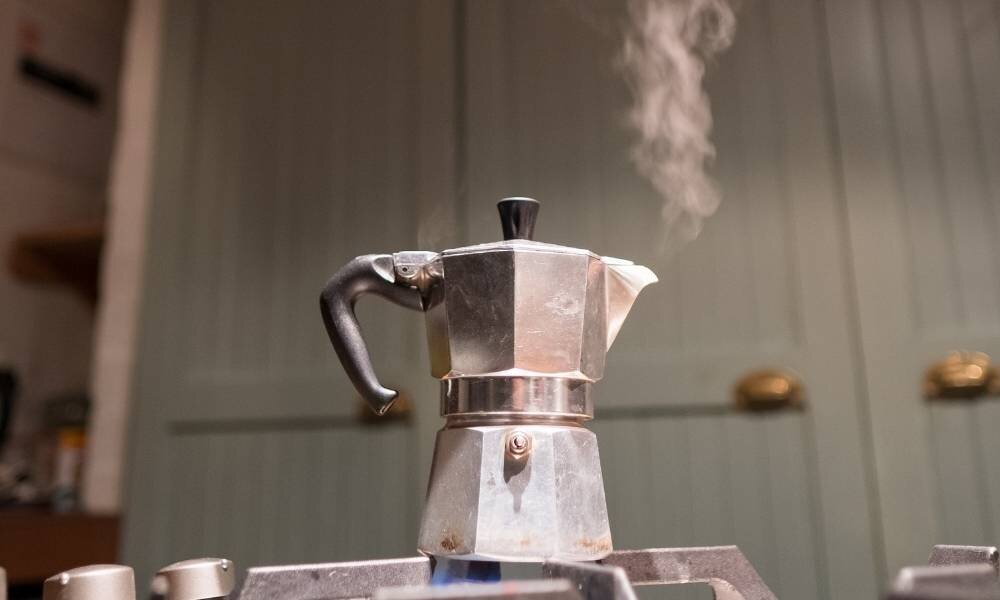
That heat does two things. It exaggerates bitterness, and it flattens delicate acidity. So the coffees that shine tend to be the ones with plenty of body and sweetness to begin with: chocolate, nuts, caramel, brown sugar. Very light roasts with lots of bright acidity can end up tasting sharp or thin, because the moka pot pulls out the sour and loses the sparkle.
A few shortcuts if you’re shopping on your own:
- Brazil for chocolate and nuts. The safest starting point there is.
- Colombia for caramel with a little more brightness.
- Guatemala for toffee and cocoa.
- Indonesia if you like it heavy and earthy.
- Washed Ethiopia or Kenya if you want floral and fruity, and don’t mind fiddling with grind and heat.
Freshness matters as much as origin. Coffee roasted within the last two to four weeks behaves best. Much older and the flavour goes flat; much fresher and it can gas up and spit.
For me a Moka pot is all about the ritual, the smells, the sounds, the depth of flavour and culture. It’s the centurion of the coffee brewers and one that will never let you down.
The best coffees for a moka pot, tasted
Datterra Estate by Triple Co Roast
- Origin: Cerrado, Brazil
- Process: natural, Bourbon variety, grown at 1,100 metres
- Flavour notes: milk chocolate, apricot, prune
- Roaster: Triple Co Roast, Bristol
- Best for: anyone who wants a proper, dependable moka pot coffee every morning
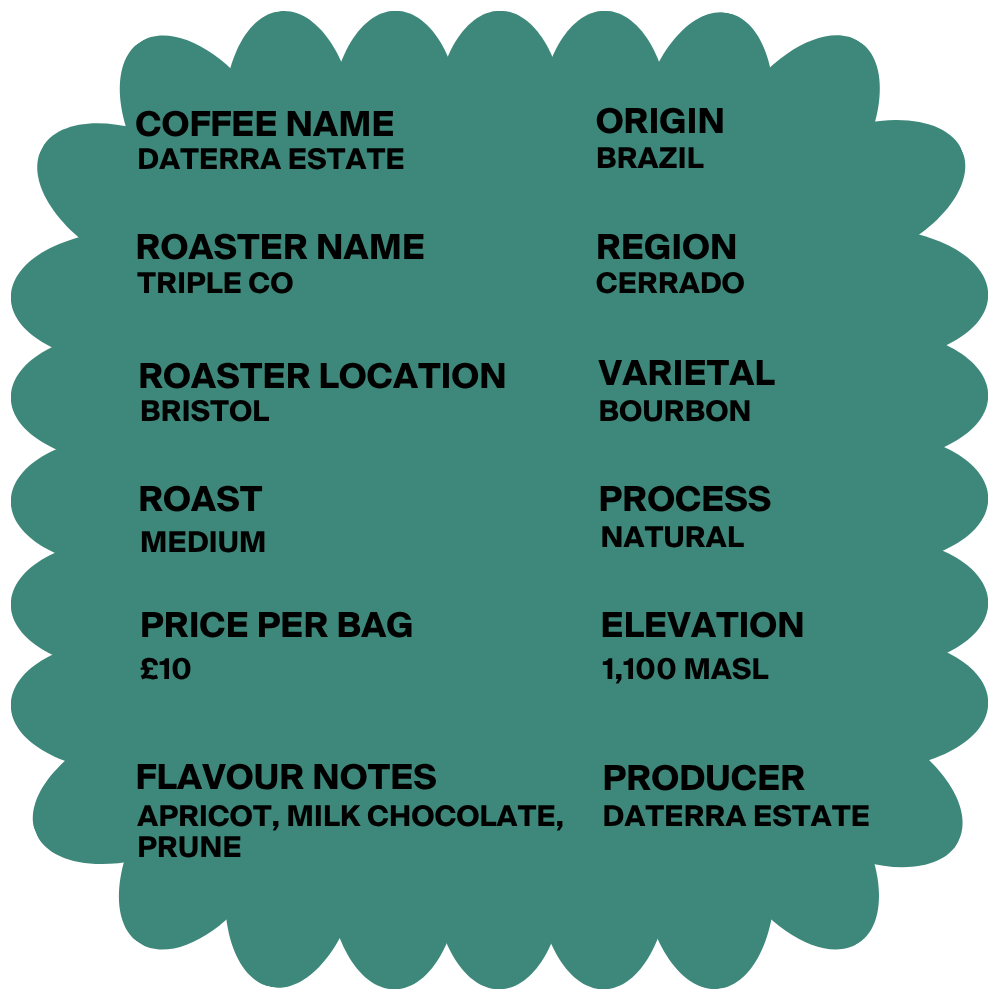
Cerrado coffees are practically built for stovetop brewing: plenty of body, gentle acidity and a sweet chocolate base that holds up to the heat. The natural process on this one adds dried fruit on top, so you get apricot and prune rather than just generic chocolate. I loved this one – I was actually took a bag of this on a trip and brewed it on my friends Mokapot every morning, it was a banger. If you only try one coffee from this list, make it this style.
Read our Triple Co Roast review
Peaberry by Lost Sheep Coffee
- Origin: Ibiraci, Brazil
- Process: natural, Catuaí peaberry, grown at 1,000 to 1,200 metres
- Flavour notes: berries, milk chocolate, walnut
- Roaster: Lost Sheep, Kent
- Best for: stovetop lattes and flat whites
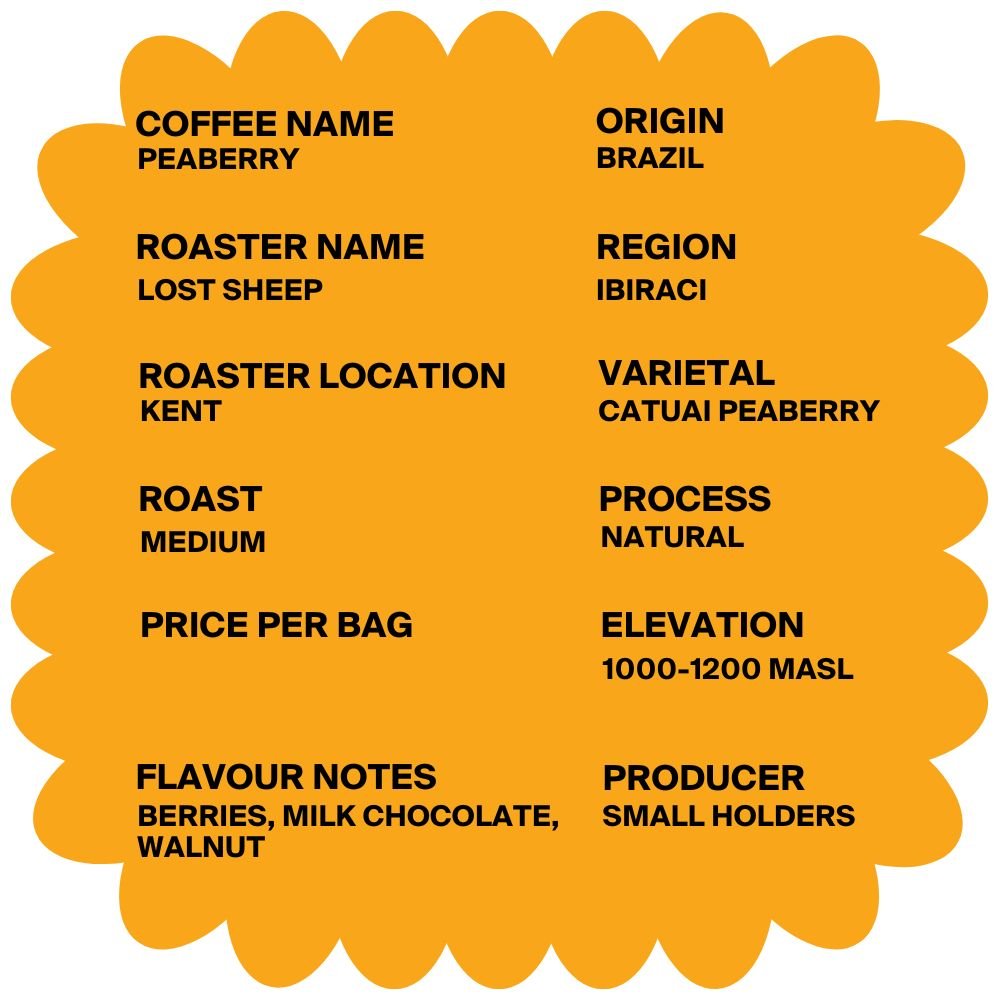

Peaberries are single, rounder beans that form when only one seed develops in the cherry instead of two. Whether they roast more evenly is still argued about in roasteries up and down the country, but the milk chocolate and walnut here are exactly what steamed milk wants, and the berry notes stop it being boring. Worked reallt well with a dash of milk on top.
Divino Niño by New Ground
- Origin: Huila, Colombia
- Process: washed, Castillo, Caturra and Colombia varieties, grown at 1,300 to 1,750 metres
- Flavour notes: blackcurrant, caramel
- Roaster: New Ground, Oxford
- Best for: people who find Brazilian coffee a bit too mellow
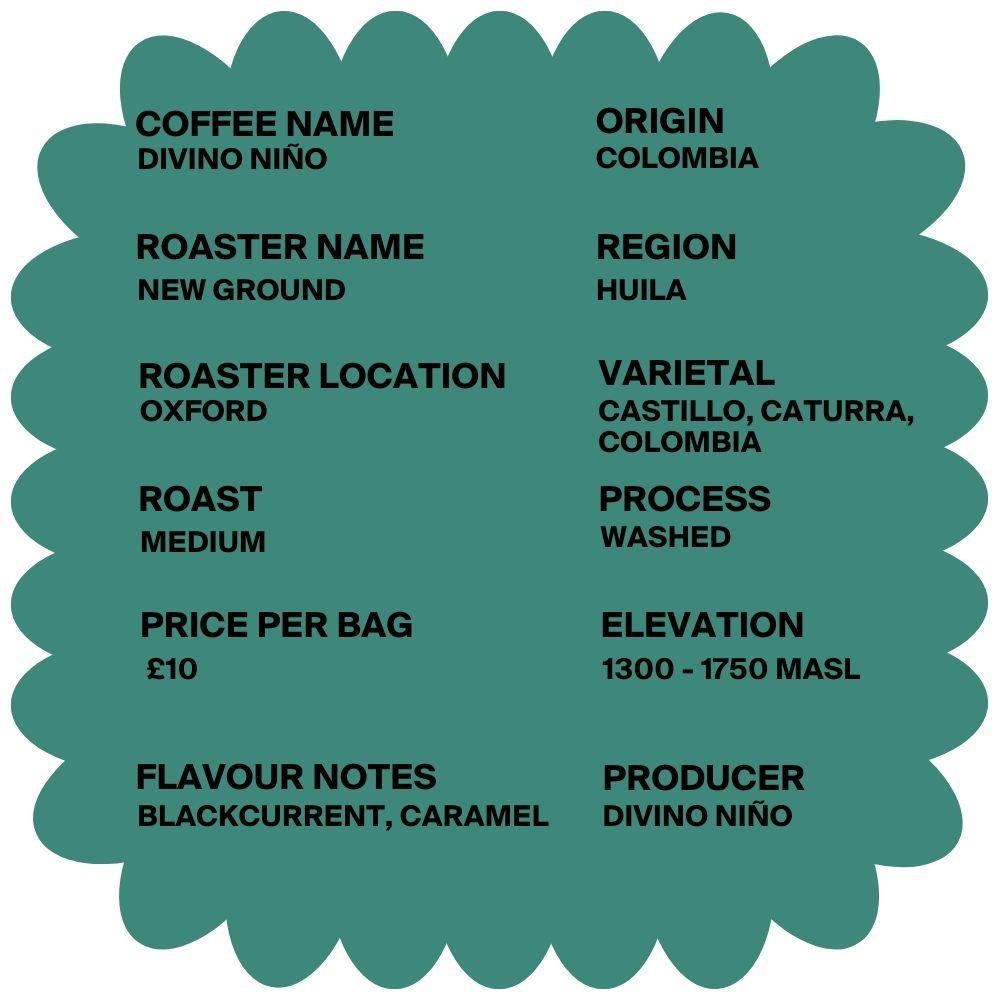

This comes from a group of smallholders in Suaza, Huila, who run their own annual cupping competition to find their best lots. Caramel keeps it sweet on the stove, and the blackcurrant gives the moka pot something more interesting to work with without tipping into sour. Brewed fantastically.
Los Moritas by Routes Coffee
- Origin: Guatemala
- Process: washed, Yellow Caturra, grown at 1,700 to 1,800 metres
- Flavour notes: creamy, hazelnut, smooth chocolate
- Roaster: Routes Coffee
- Best for: anyone who wants a forgiving coffee while they learn their pot
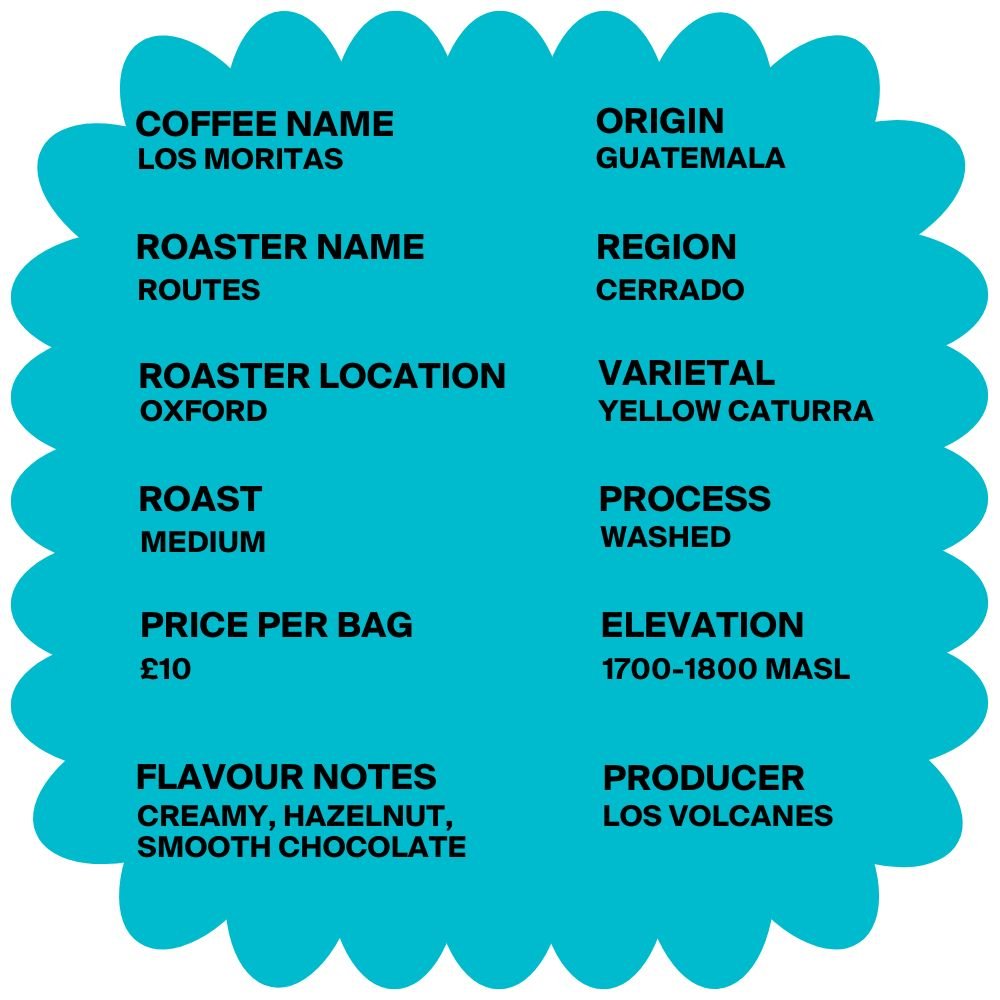
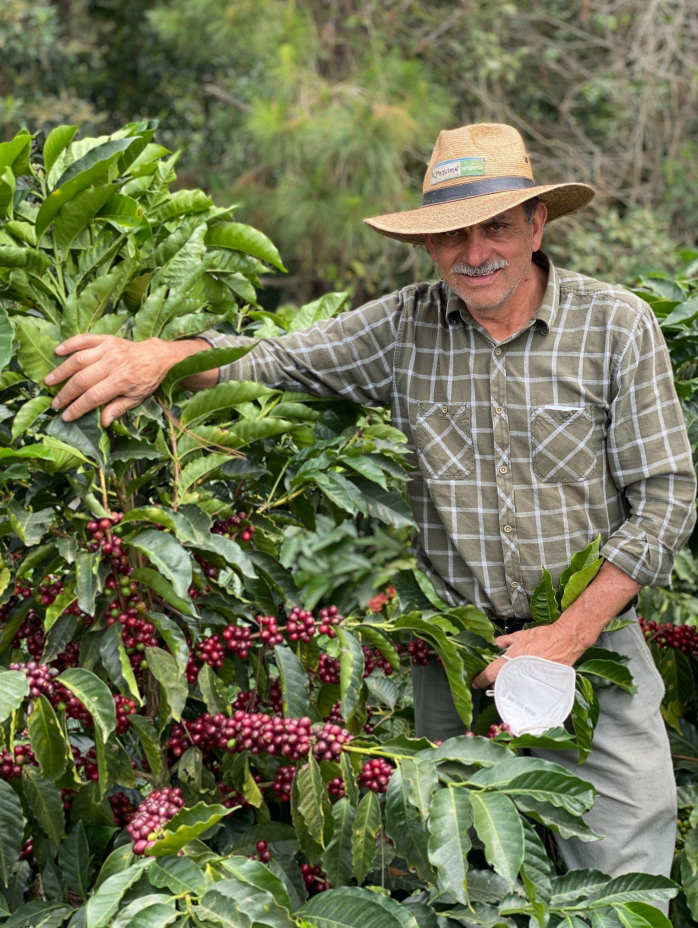
Creamy, nutty and chocolatey is the moka pot’s comfort blanket, and this is a textbook example. It’s hard to ruin, so if your moka pot coffee usually tastes burnt, this is the style to try before you blame the pot.
Honey Collective by Kickback Coffee
- Origin: Santa Barbara, Honduras
- Process: honey, Parainema variety, grown at 1,200 metres
- Flavour notes: blackcurrant, wild honey, dark chocolate
- Roaster: Kickback, Cheshire
- Best for: trying something different without going full fruit bomb
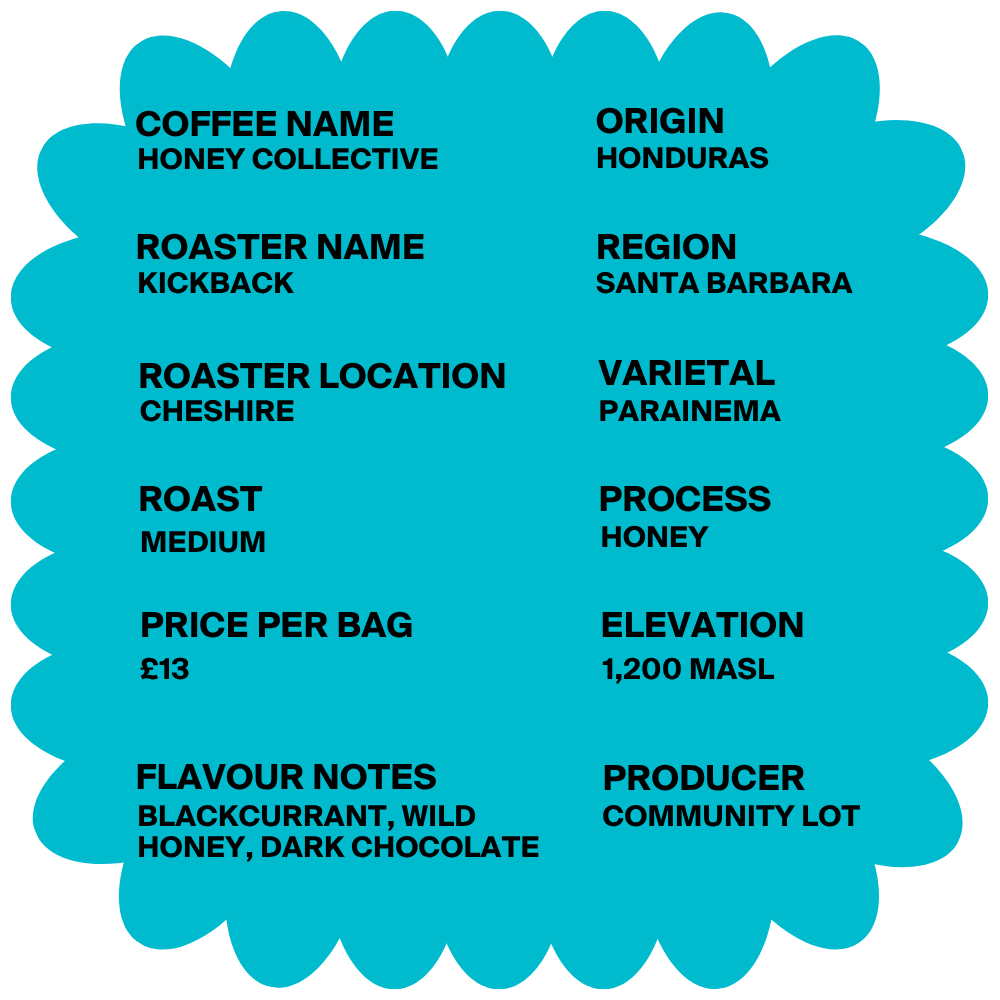
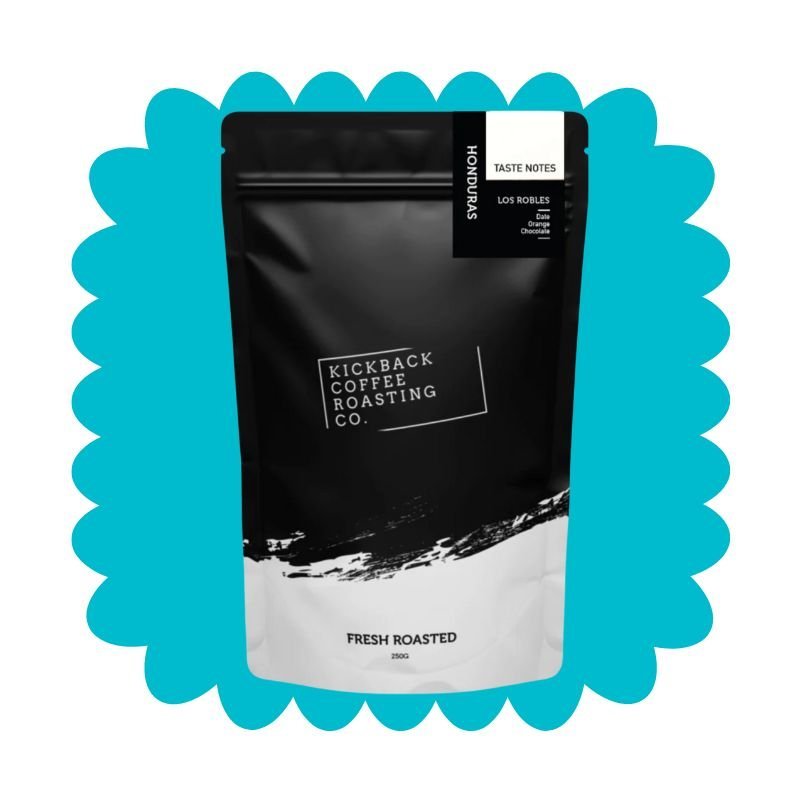
Honey processing leaves some of the sticky fruit on the bean while it dries, which gives you the sweetness of a natural with a cleaner cup. Here that means a syrupy body, a dark chocolate base and a flash of blackcurrant, which is exactly what a moka pot likes.
Awash by Danelaw
- Origin: Guji, Ethiopia
- Process: natural, heirloom varieties, grown at 1,850 metres
- Flavour notes: peach, strawberry, tropical fruit, citrus
- Roaster: Danelaw, Holmfirth
- Best for: the brave, and people who already know their grind
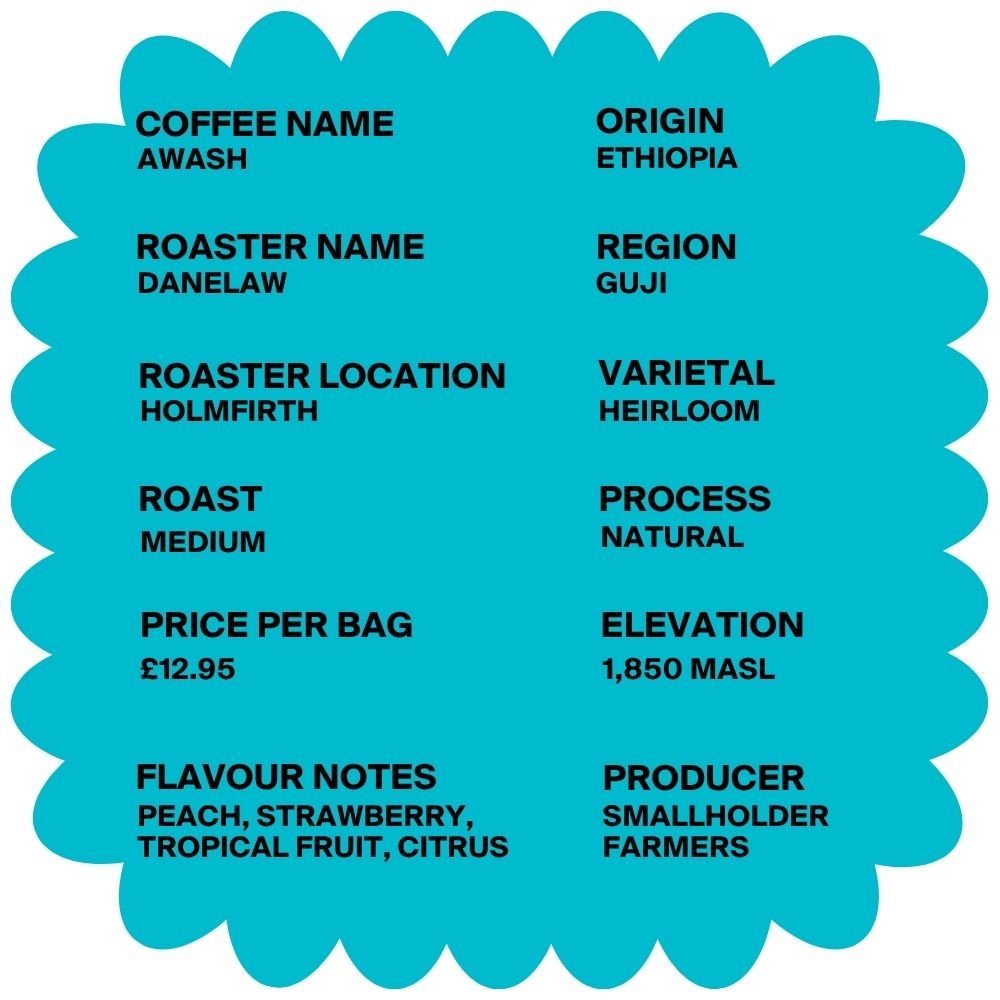

This is the wildcard. Bright and juicy, with ripe strawberry, peach and a long citrus finish. In a moka pot it’s a high wire act: grind slightly coarser than usual, start with hot water and take it off the heat early. Get it right and it’s stunning; get it wrong and it’s lemon juice.I had a little tinker around with the dose on this one and found that the flavours came through with slightly smaller volumes.
Indonesia by Pilgrims Coffee
- Origin: Bondowoso, East Java, Indonesia
- Process: natural, grown at 1,200 to 1,750 metres
- Flavour notes: pineapple, papaya, tamarind, dark chocolate
- Roaster: Pilgrims, Holy Island
- Best for: people who want a big, bold cup with a bit of a twist

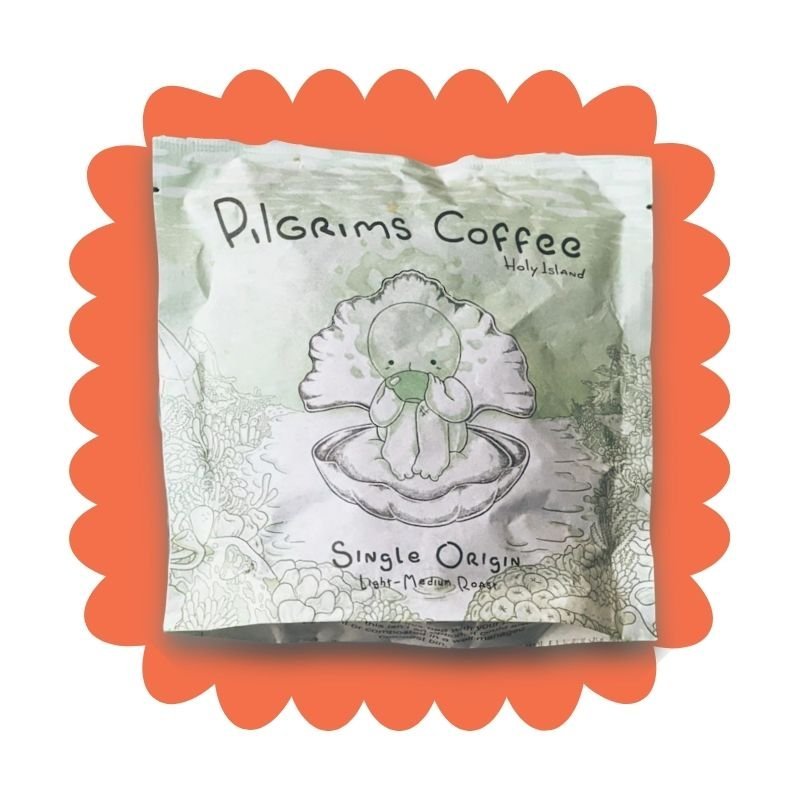
Indonesian coffees are famous for body, which is why they turn up in so many traditional espresso blends. This natural keeps that weight and dark chocolate base but piles tropical fruit on top, so the moka pot gives you something thick, rich and surprisingly lively. Roasted on Holy Island, which is about as far from Java as you can get.
Should you buy whole bean or pre ground?
Whole bean, ground just before brewing, gives you the best cup. But pre ground is completely fine for a moka pot, as long as two things are true: it’s ground specifically for a moka pot, and you use it within a couple of weeks of opening.
The mistake most people make is buying espresso grind. It’s usually too fine, which can clog the filter plate, push the pressure up and over extract the coffee into bitterness. You want something slightly coarser, roughly like fine table salt. Our moka pot grind size guide has photos if you want to check yours.

If you don’t own a grinder, every coffee in a Batch box can be ground for a stovetop when you order, so you get fresh speciality coffee at the right grind without buying another gadget.
What about supermarket coffee?
Plenty of moka pots in Britain run on Lavazza, Illy or Kimbo, and there’s no shame in that. They’re consistent, easy to find, and roasted with stovetop brewing in mind.
Where they fall down is freshness and character. Supermarket coffee has often been roasted months before you open it, and the dark roasts that keep it consistent also hide whatever made the original beans interesting.
How to get the best out of any coffee in a moka pot
The coffee is only half the story. Three habits make the biggest difference:
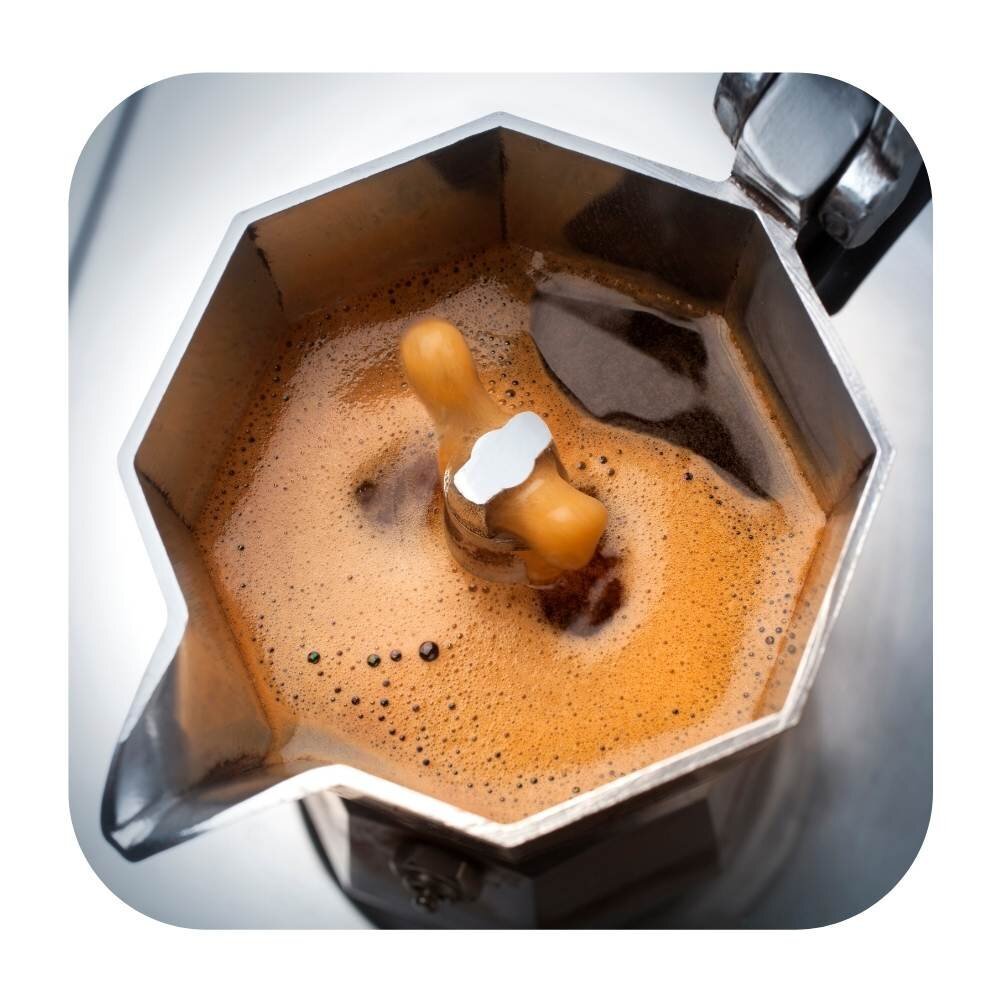
- Fill the basket level and don’t tamp. Packing it down pushes the pressure up and makes the coffee bitter.
- Start with hot water in the base. It means the coffee spends less time sitting on the heat before brewing starts, so it tastes less cooked.
- Take it off as soon as it starts to sputter, and run the base under the cold tap to stop it brewing.
For exact doses by pot size, step by step instructions and troubleshooting, see our guide on how to use a moka pot. And if you’re still choosing a pot, here’s our round up of the best stovetop espresso makers.
Moka pot coffee FAQs
Can you use espresso coffee in a moka pot?
Yes, if we’re talking about the beans. Coffee sold as espresso roast works well because it’s usually roasted a little darker for body and sweetness. The problem is espresso grind, which is often too fine for a moka pot and can clog the filter. Grind slightly coarser, or buy it ground for a stovetop.
Can you use light roast coffee in a moka pot?
You can, but it’s harder to get right. Light roasts can taste sour or thin because the moka pot brews so hot. Grind a touch coarser, start with hot water and take it off the heat early, or save light roasts for pour over or an AeroPress.
Is moka pot coffee the same as espresso?
No. A moka pot brews at about 1 to 2 bar of pressure; an espresso machine uses around 9. Moka pot coffee is strong and rich, but it has less crema and a different texture from true espresso.
What is the best coffee for a Bialetti?
Any medium roast with chocolate or nutty notes. Our top pick is a Cerrado Brazil such as the Datterra Estate from Triple Co Roast. Bialetti is just the best known moka pot brand, so the same rules apply to any stovetop pot.
How much coffee goes in a 6 cup moka pot?
Around 28 to 32g, filled level without tamping. Our how to use a moka pot guide has a full dose table for every pot size.
The easiest way to find your moka pot coffee
The honest truth is that the best coffee for your moka pot depends on your pot, your stove and whether you take milk. The quickest way to find out is to try a few.
Want coffees like these without the guesswork? Every fortnight we send two speciality coffees from different independent UK roasters, ground for your moka pot if you like, with tasting notes on every bag. Start your subscription

