

Short answer: the strongest coffee you can buy in the UK, by caffeine, is a 100% robusta coffee. Very Strong Coffee claims 1,350mg of caffeine in a large mug, and Cannonball’s Maximum Charge has been lab tested at 1,101mg. Both numbers come from brewing with far more coffee than you would normally use, though, and one mug at that strength is around three times the daily amount food safety bodies consider sensible. If what you really want is coffee that tastes strong, you need a different bean altogether, and that is where it gets interesting.
Strong coffee is a funny old term as when most people say strong they are usually referring to the roast profile and therefore the taste rather than the caffeine content which is what I would presume a strong coffee drinker is looking for. I’ve dabbled in many strong coffees in the past especially when studying but up until recently I’ve discovered there can be a middle ground between strength and quality,
I’ve spent 13 years as a barista and roaster, wrote The Home Barista, and taste hundreds of coffees a year choosing what goes into Batch boxes. We’ve also reviewed one of the high caffeine coffees on this list, so this isn’t a table copied from somebody else’s table.

Quick answer: the strongest coffees in the UK by caffeine
| Coffee | From | Beans | Caffeine per 355ml mug | How we know |
|---|---|---|---|---|
| Very Strong Coffee | UK | 100% Vietnamese robusta, dark roast | 1,350mg | Maker’s claim |
| Red On! by Contact Coffee | UK | Single origin robusta | 1,293mg | Lab tested |
| Black Insomnia | South Africa | 80% robusta, 20% arabica | 1,105mg | Lab tested |
| Maximum Charge by Cannonball | UK | Rwandan robusta, medium roast | 1,101mg | Lab tested |
| Death Wish | USA | Robusta and arabica, dark roast | 728mg | Lab tested in 2015; later tests found less |
| Sons of Amazon | UK | Not stated | 660mg | Maker’s claim |
Figures are from Caffeine Informer, who track caffeine content across brands, and each is for a 355ml mug brewed to the maker’s own recipe. That last part matters more than anything else in the table, so keep reading before you order a kilo.
Can’t decide? Let us pick.
Two speciality coffees from different UK roasters in each delivery.
Pause or cancel whenever you like.
What does “strong coffee” actually mean?
This is the bit that causes the confusion. People use “strong” to mean three completely different things, and a coffee can be one without being the others.
- Caffeine. How much of the stimulant ends up in your cup. This depends mostly on the type of bean and how much coffee you use.
- Flavour. Bold, dark, bitter, roasty. This comes from how dark the beans are roasted and has almost nothing to do with caffeine.
- Concentration. How much coffee is dissolved in the water. An espresso is concentrated; the same coffee as a long black is not. This is what coffee professionals mean by strength.
So a dark roast supermarket coffee with a 5 on the pack can taste like a bonfire and have no more caffeine than a gentle breakfast blend. And a light, fruity robusta could keep you up until Thursday. We’ve gone deeper on the brewing side in which method makes the strongest coffee.
Why the caffeine numbers need a pinch of salt
Take Maximum Charge. The 1,101mg figure is real and comes from an independent lab, but the recipe behind it is 56g of ground coffee to 355ml of water. For comparison, most people put somewhere between 15g and 20g in a mug that size. Fifty six grams is closer to what you would use for a full cafetière for three.
Do the sums and Maximum Charge works out at just under 20mg of caffeine for every gram of coffee. Brew a normal mug with 18g and you are looking at roughly 350mg. That is still a lot. It is just a very different number from the one on the headline.
The same goes for the others. Death Wish’s 728mg was a 2015 lab result using its own heavy recipe, and later tests found noticeably less. Where a figure is the maker’s own claim and no lab report is published, treat it as marketing until proven otherwise.
The strongest coffees you can buy in the UK
1. Very Strong Coffee: highest claimed caffeine
- Beans: 100% Vietnamese robusta
- Roast: Dark
- Flavour notes: Dark chocolate, spice, syrupy body
- Claimed caffeine: 1,350mg per mug
- Price: £9.85 for 250g, £15.45 for 500g
The clue is in the name. Very Strong Coffee is a British brand selling a single dark roasted robusta as beans or a medium grind for cafetière and filter. It has the biggest number of any UK coffee, although it is the maker’s own figure. Dark roasted robusta is about as far from a delicate filter coffee as you can get, so expect weight and bitterness more than nuance.
2. Maximum Charge by Cannonball Coffee: the one we’ve reviewed
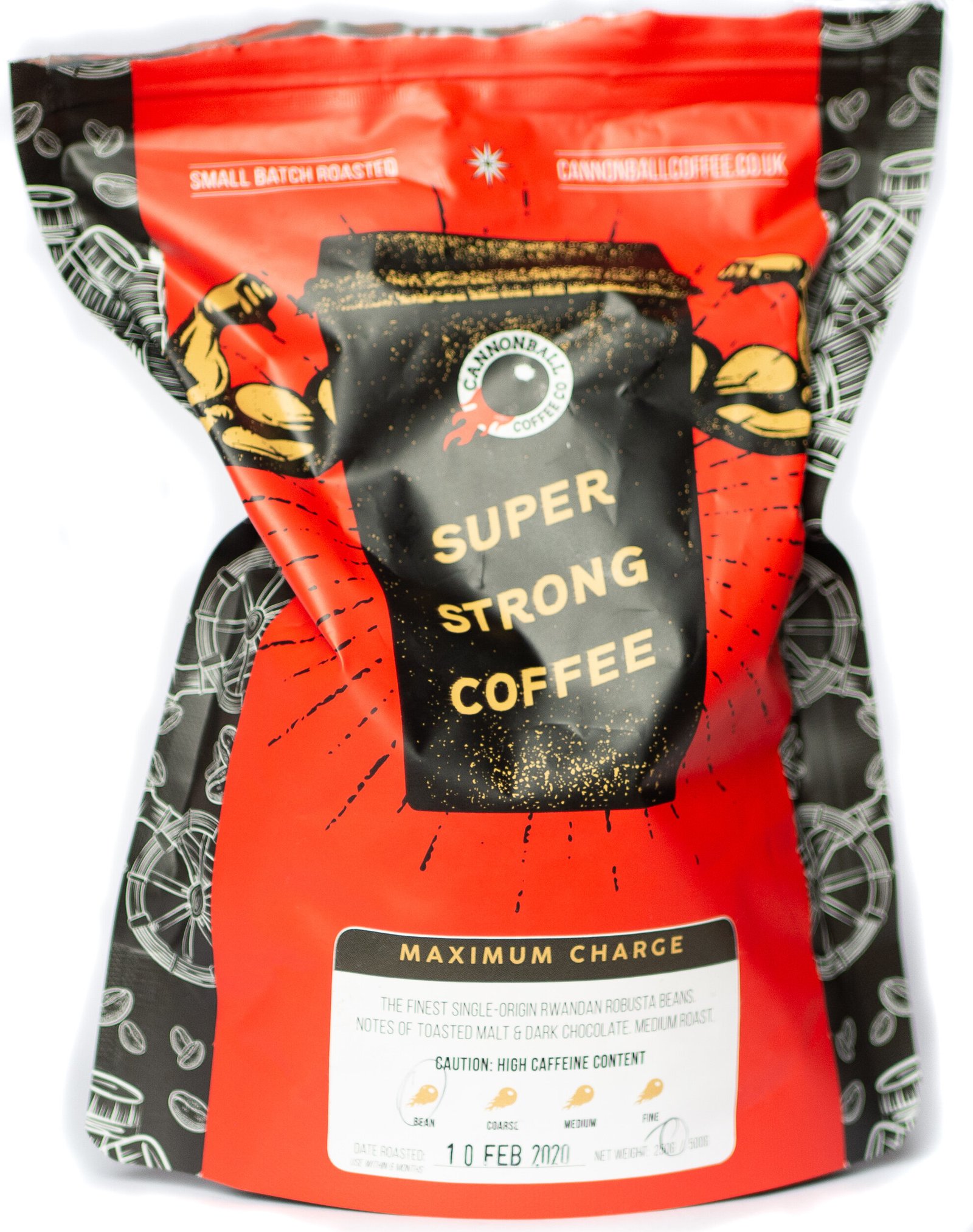

- Beans: Single origin Rwandan robusta, washed
- Roast: Medium
- Flavour notes: Dark chocolate, toasted malt
- Tested caffeine: 1,101mg per 355ml at the maker’s recipe; they quote over 400mg for a normal serving
- Price: from £14 a bag
Cannonball was started by Duncan, a British Army veteran who got the idea on tour in Afghanistan, watching Danish soldiers drink strong black coffee that actually tasted of something. The clever part is that Maximum Charge is roasted medium, so the caffeine comes from the robusta bean and not from burning it. Rwandan robusta is unusual too: it is being grown there partly because the plant shrugs off leaf rust.
Read our Cannonball Coffee review.
3. Black Insomnia and Death Wish: the imports
These are the two names most people have heard of. Black Insomnia started in South Africa and blends 80% robusta with 20% arabica, tested at 1,105mg per mug at its own recipe. Death Wish is American, dark roasted, and the brand that kicked off the whole “world’s strongest” race. Both are imports here, so you will usually pay more for older coffee than you would buying from a UK roaster. If freshness matters to you, and it should, the British options above make more sense.
How much caffeine is too much?
The European Food Safety Authority says up to 400mg of caffeine a day, spread across the day, raises no safety concerns for healthy adults, and up to 200mg in one go. It also notes that as little as 100mg close to bedtime can affect sleep. For pregnancy the NHS limit is 200mg a day.
To put that in cups: the NHS counts a mug of instant coffee as about 100mg. So a mug of high caffeine coffee brewed to the maker’s full recipe is two to three days’ worth in one sitting. Brewed like a normal coffee, one mug is still most of your day’s allowance. I’m a coffee roaster and not a doctor, so if you have a heart condition, anxiety or trouble sleeping, this corner of the coffee world is one to skip.
Robusta vs arabica: where the caffeine comes from
Almost all speciality coffee is arabica. Robusta is the other main species, and it carries roughly double the caffeine. That is the whole secret behind every coffee in the table above. Caffeine is the plant’s own pest repellent, which is one reason robusta is the hardier of the two and grows happily at lower altitudes.
The trade off has always been flavour. Most robusta is grown for volume and ends up in instant coffee and cheap espresso blends, where it adds body, crema and bitterness. Good robusta does exist, as Cannonball show, but it is rare. Our guide to the different types of coffee beans covers the two in more detail.
Robusta is a very important coffee bean and although it does lack the complexities of arabica coffee it is the cornerstone of the commercial coffee industry that powers most peoples morning brews.
Does dark roast coffee have more caffeine?
No. Roasting barely touches caffeine. Measured by weight, light and dark roasts of the same bean have near enough the same amount. Measured by the scoop, light roast actually has slightly more, because the beans are denser and you fit more coffee in the spoon. Dark roast tastes stronger because roasting creates bitter, smoky flavours, and bitterness is what most of us read as strength. There is more on this in our guide to coffee roast levels.
What do the strength numbers on supermarket coffee mean?
The 1 to 5 scale on supermarket bags, and the 1 to 13 on Nespresso pods, is a roast and intensity guide. It tells you how dark and bitter the coffee will taste. It says nothing about caffeine. Kev at Coffee Blog compares it to the dial on your toaster, which is about right: a higher number means more toasted, not more bread. If pods are your thing, we’ve tested the best Nespresso pods separately.
Strong tasting coffee that isn’t bitter: our picks
Here is what I would actually recommend to most people who tell me they like strong coffee. In my experience they rarely want four times the caffeine. They want a coffee with body and depth that tastes properly of coffee, holds up to milk and doesn’t taste of fruit tea. You get that from heavier bodied arabica with chocolate and dark fruit notes, roasted medium. All four of these have been through a Batch box.
| Coffee | Roaster | Origin | Flavour notes | Best for |
|---|---|---|---|---|
| Rwenzori | Routes Coffee Roasters | Uganda | Dark chocolate, plum, brown sugar, pecan | Strong flat whites |
| Indonesia | Pilgrims Coffee Roasters | Indonesia | Pineapple, papaya, tamarind, dark chocolate | Moka pot and cafetière |
| Chilchos Valley | Missing Bean Coffee Roasters | Peru | Blackberry, sultana, dark chocolate | Everyday strong mug |
| Tarrazu | Coffee Factory | Costa Rica | Stewed plum, cacao nibs | Black coffee drinkers |
Prices below are per bag at the time each coffee featured in a Batch box. Speciality coffee is seasonal, so if one has sold out the roaster will usually have something similar.
1. Rwenzori by Routes Coffee Roasters: best for a strong flat white
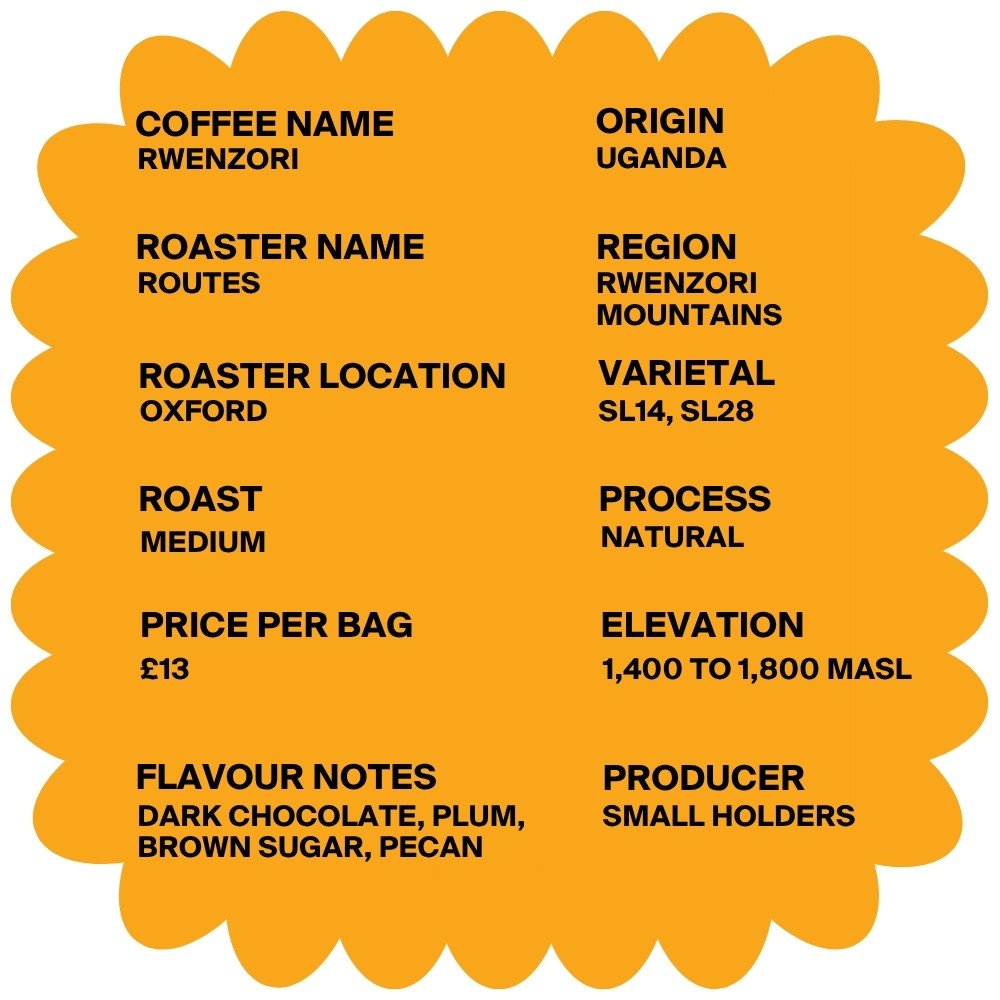
- Origin: Rwenzori Mountains, Uganda
- Process: Natural
- Variety: SL14, SL28
- Roast: Medium
- Flavour notes: Dark chocolate, plum, brown sugar, pecan
- Price when featured: £13
Dark chocolate and brown sugar give this the depth people are after when they ask for strong, and the natural process adds weight. It was our top pick in the guide to coffee beans for lattes and flat whites for the same reason: it stays present when the milk goes in. Routes roast in Oxford.
Read our Routes Coffee Roasters review.
2. Indonesia by Pilgrims Coffee Roasters: best for moka pot and cafetière


- Origin: Bondowoso, Indonesia
- Process: Natural
- Variety: Komasti, Andungsari, Kartika, Abyssinia
- Roast: Medium
- Flavour notes: Pineapple, papaya, tamarind, dark chocolate
- Price when featured: £10
Indonesian coffees have a reputation for big body, and this one adds tropical fruit on top of a dark chocolate base. It also made our list of bold coffees for a moka pot, which is the brewer I would reach for if strong is the goal. Pilgrims roast on Holy Island in Northumberland, in a converted shipping container.
Read our Pilgrims Coffee Roasters review.
3. Chilchos Valley by Missing Bean: best everyday strong mug
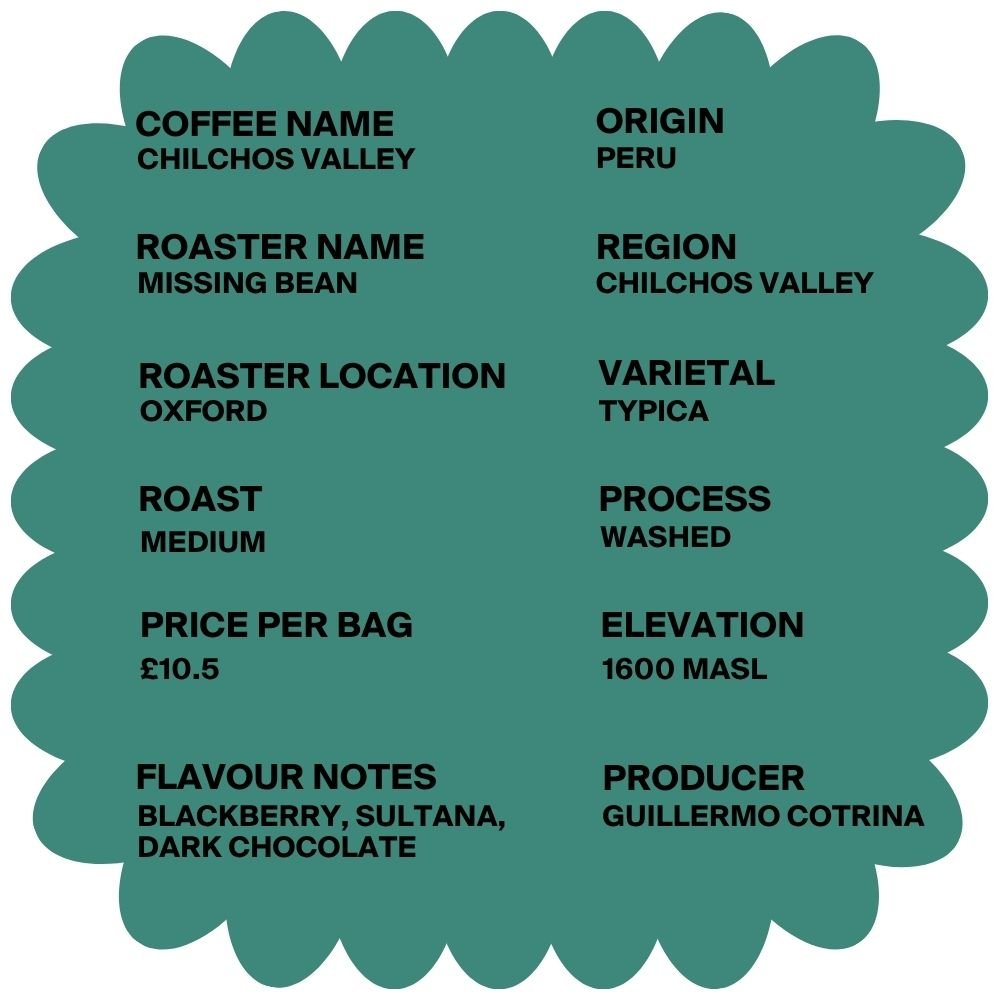
- Origin: Chilchos Valley, Peru
- Process: Washed
- Variety: Typica
- Roast: Medium
- Flavour notes: Blackberry, sultana, dark chocolate
- Price when featured: £10.50
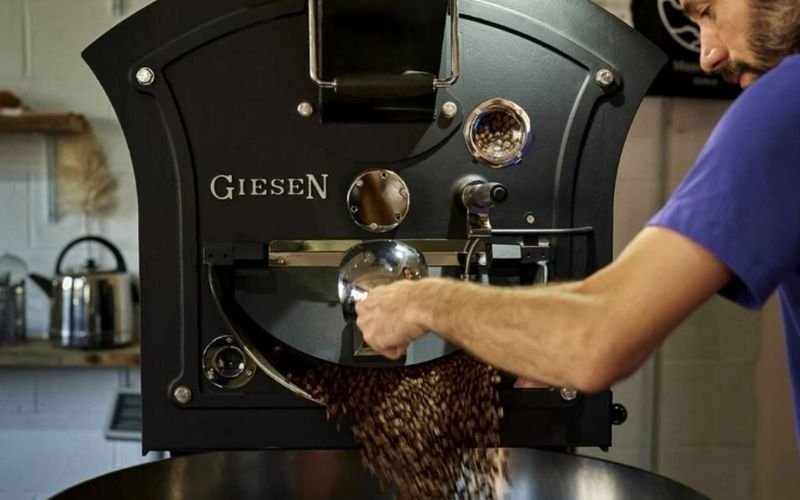
Dark chocolate with blackberry and sultana is a straightforward, satisfying cup, and at this price it makes sense as the bag you get through fastest. Brew it a little heavier than usual and it gives you plenty of punch with no harshness. Missing Bean roast in Oxford and work directly with producer Guillermo Cotrina.
4. Tarrazu by Coffee Factory: best for black coffee drinkers
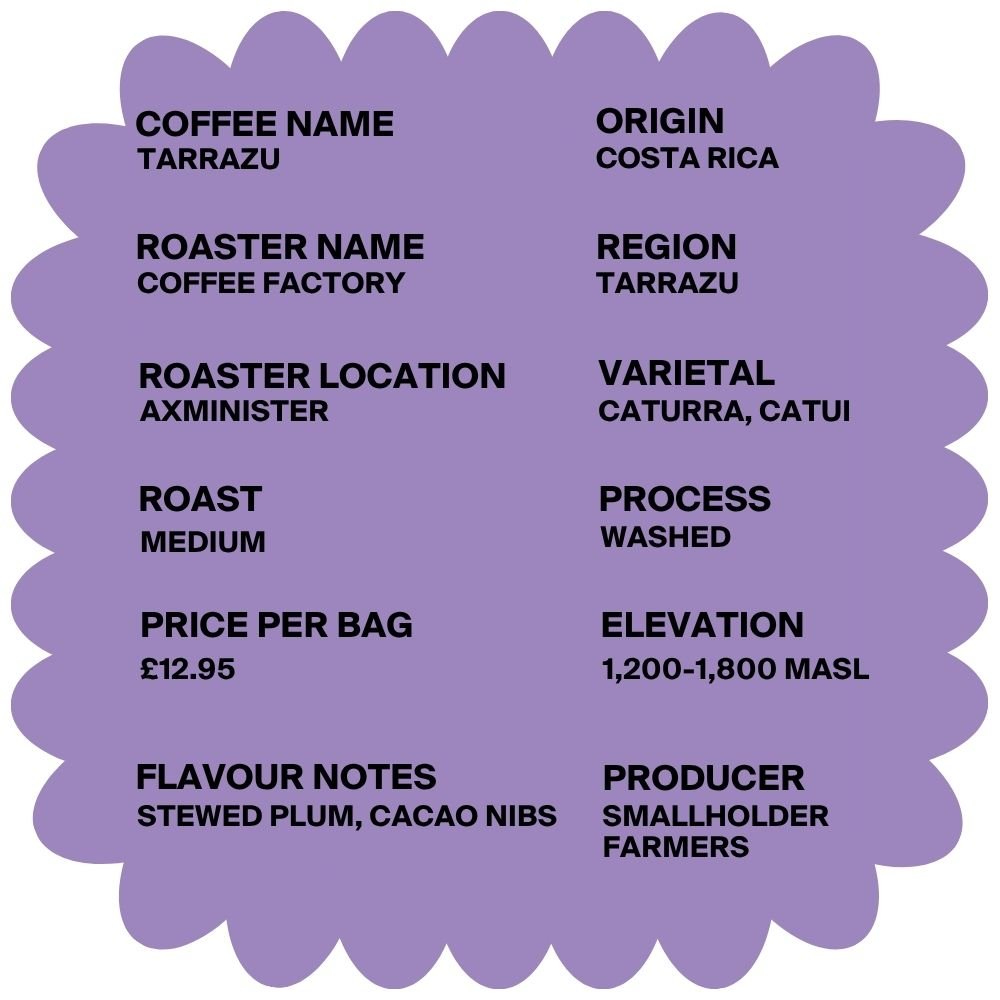
- Origin: Tarrazu, Costa Rica
- Process: Washed
- Variety: Caturra, Catuai
- Roast: Medium
- Flavour notes: Stewed plum, cacao nibs
- Price when featured: £12.95
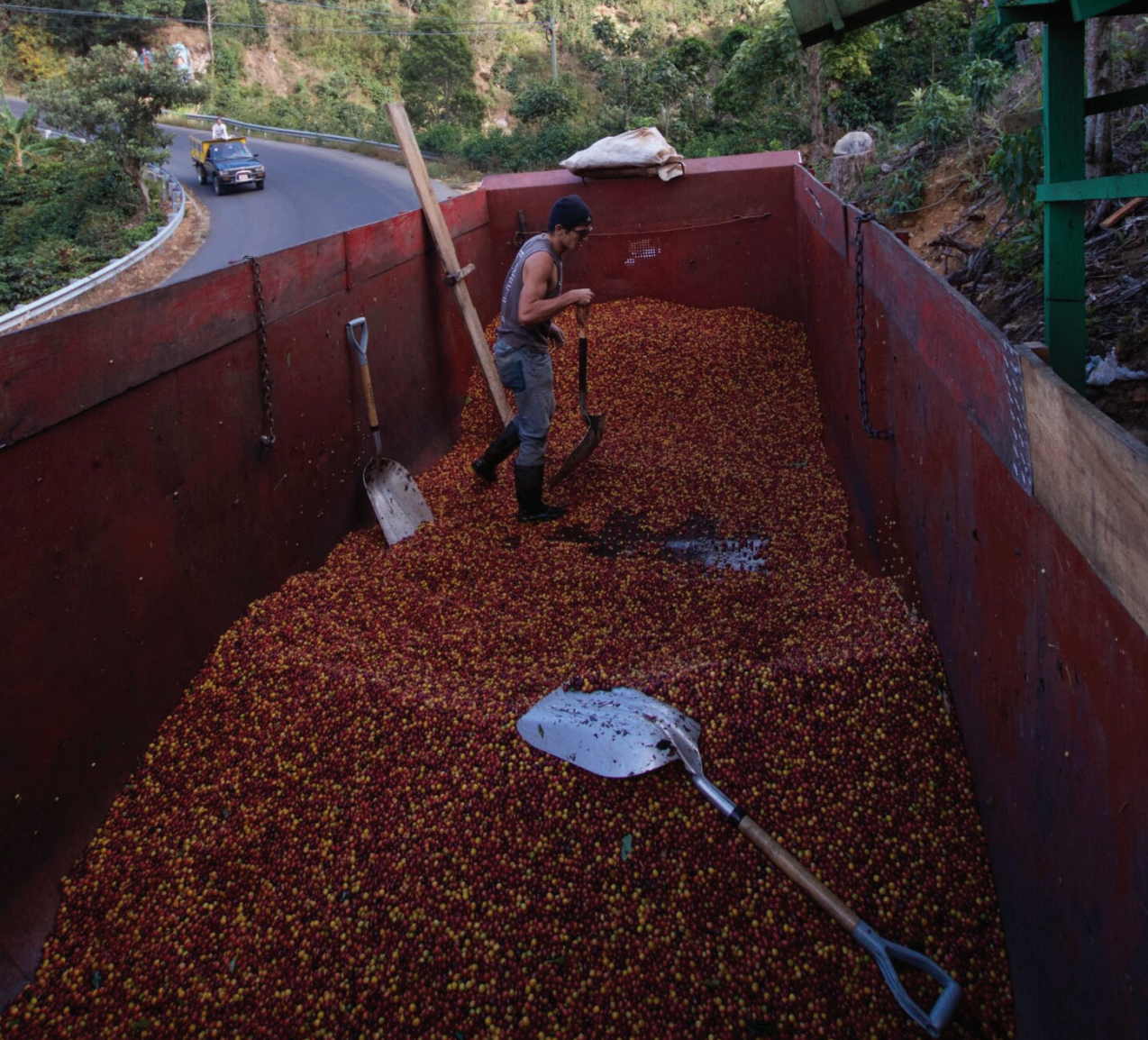
Cacao nibs are the bittersweet end of chocolate, which is exactly the note dark roast fans tend to miss when they move to speciality coffee. Stewed plum keeps it from being one dimensional. Coffee Factory are a family run roastery in Axminster, roasting on a vintage Probat called Dorothy.
Read our Coffee Factory review.
How to make your coffee stronger at home
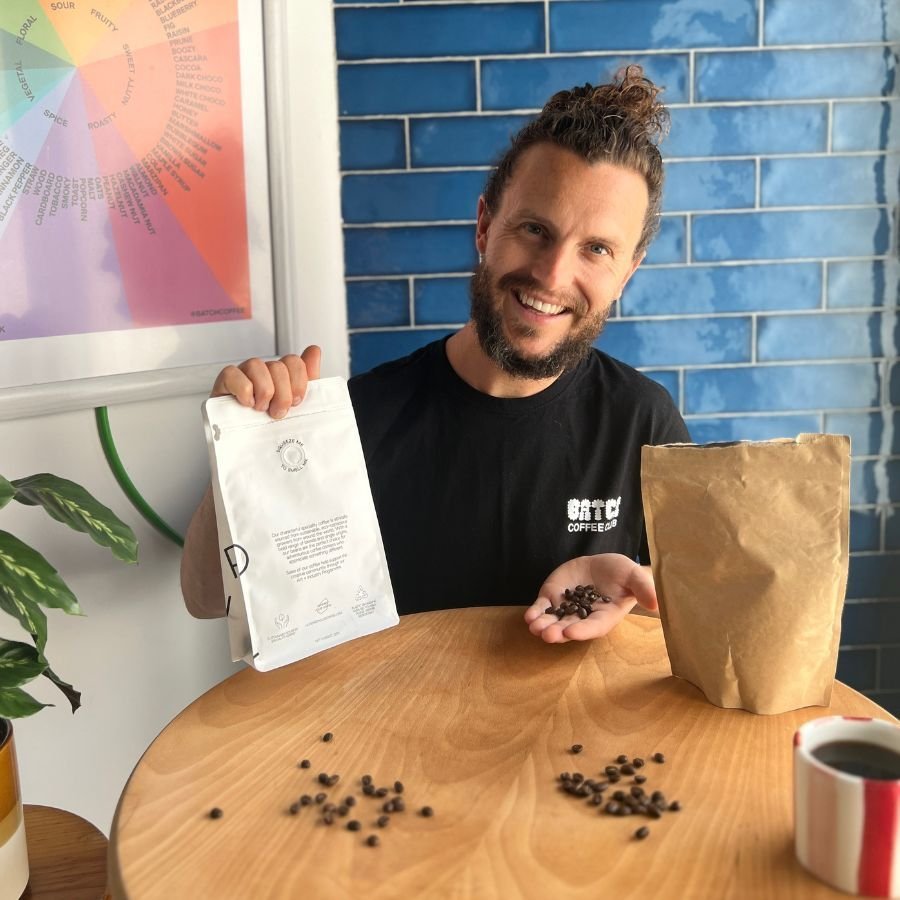
You don’t need special beans to get a stronger cup. Three things do most of the work.
- Use more coffee, not more time. A standard brew is around 60g of coffee per litre of water. Push that to 70g or 75g and the cup gets stronger without turning bitter. Leaving it to stew for longer mostly adds bitterness.
- Pick a concentrated brew method. Espresso is the strongest by concentration, with the moka pot next. Our guides to making espresso at home and using a moka pot have the recipes.
- Grind fresh and a touch finer. Finer grounds give up more of themselves to the water. The coffee grinding guide shows where to set your grinder for each brewer.
A cafetière is the easy option if you want a big, heavy mug: our cafetière guide covers the ratio. For espresso drinkers, the best coffee beans for espresso are a good place to start.
Frequently asked questions
What is the strongest coffee in the UK?
By caffeine, Very Strong Coffee makes the highest claim of any UK brand at 1,350mg per mug, and Cannonball Maximum Charge has been lab tested at 1,101mg. Both figures rely on brewing with far more ground coffee than a normal mug. Both are made from robusta beans, which carry roughly double the caffeine of arabica.
What is the strongest coffee in the world?
Devil Mountain Black Label, an American coffee, makes the highest claim we have seen at 1,555mg of caffeine per 355ml mug. It is the maker’s own figure. Among lab tested coffees, Red On! from the UK brand Contact Coffee is listed at 1,293mg.
Which coffee has the most caffeine?
Coffee made from robusta beans. Robusta has roughly double the caffeine of arabica, the species used for almost all speciality coffee. After the bean, the biggest factor is how much ground coffee you use per cup.
Does dark roast coffee have more caffeine?
No. Roasting has very little effect on caffeine. By weight, light and dark roasts of the same bean contain about the same amount. Dark roast tastes stronger because it is more bitter, not because it has more caffeine.
What do coffee strength numbers mean?
The strength or intensity number on supermarket coffee and coffee pods describes how dark the roast is and how bold it will taste. It is not a measure of caffeine.
Is very strong coffee safe to drink?
The European Food Safety Authority says up to 400mg of caffeine a day and up to 200mg in a single serving raises no safety concerns for healthy adults. A full strength mug of high caffeine coffee can go well past both, so brew it weaker than the pack suggests or drink a smaller cup. The NHS limit in pregnancy is 200mg a day.
How do I make coffee taste stronger without bitterness?
Use more coffee for the same amount of water, grind a little finer and choose beans with chocolate and dark fruit notes. Brewing for longer or buying a darker roast adds bitterness more than strength.
So, should you buy the strongest coffee in the UK?
If you want the biggest caffeine hit going, buy a British robusta like Maximum Charge, brew it like a normal coffee and stop at one. If you want coffee that tastes strong, skip the skull and crossbones branding and look for a medium roasted coffee with chocolate in the flavour notes. And if you would rather have none of the caffeine at all, our best decaf coffee beans are at the other end of the scale. Everything we’ve sent so far is in the box archive.
Like your coffee with a bit of backbone? Every fortnight we send two speciality coffees from different independent UK roasters, whole bean or ground for your brewer, with tasting notes on every bag. Use BATCHBREW10 for 10% off your first box. Start your coffee subscription

